When it comes to purchasing square tube, efficiency is key. These versatile materials are vital in construction, manufacturing, and various DIY projects. The right choice can significantly impact your project’s overall success.
Finding the best square tube requires knowledge and careful consideration. You need to assess your specific needs, including size and material. Understanding the difference between aluminum, steel, and other materials can influence your final decision. The market is flooded with options, but not all are created equal.
Don’t rush into a purchase. Take the time to evaluate suppliers and their reputations. Look for reviews and seek expert opinions. Mistakes can be costly, and you may end up with materials that don’t meet your requirements. Reflecting on your choices can lead to better outcomes in future purchases. By following these tips, you can navigate the buying process with confidence and successfully source the right square tube for your needs.
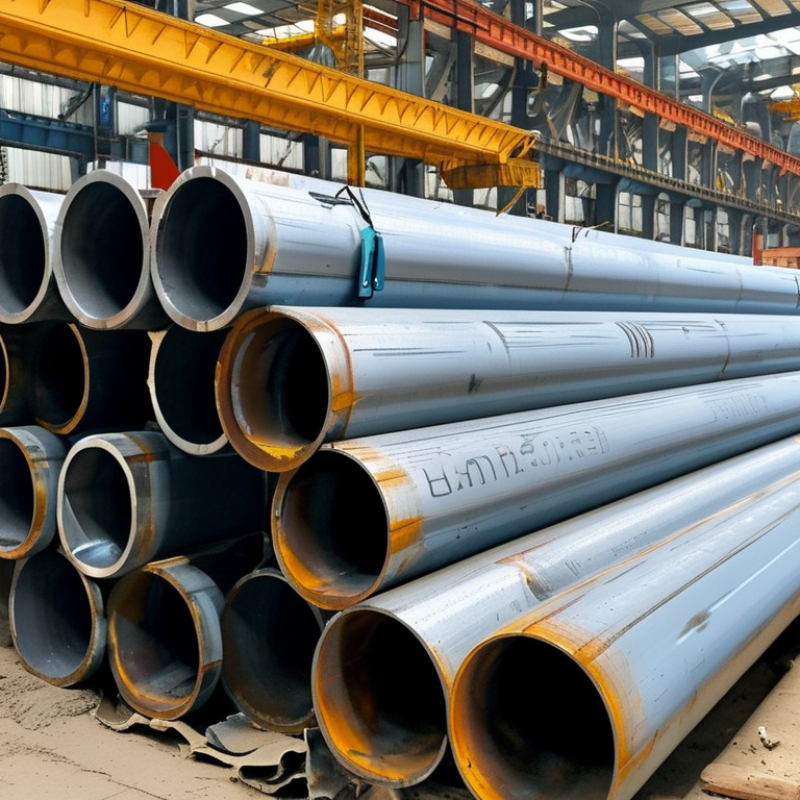
When purchasing square tubes, understanding specifications and standards is crucial. Material grades matter. Common options include carbon steel, stainless steel, and aluminum. Each offers unique properties. For example, carbon steel is cost-effective but may corrode. In contrast, stainless steel provides better resistance and durability. Knowing the right grade for your needs is essential.
Dimensions are equally important. Square tubes come in various sizes. Standard lengths and wall thicknesses can impact strength and weight. Make sure to measure your requirements accurately. Additionally, tolerance levels can vary. Confirming the acceptable range ensures parts fit together seamlessly. It can be frustrating to deal with mismatched sizes.
Consider surface finishes as well. Processes like galvanization or powder coating can enhance protection. However, these can add to the cost. Weigh the benefits against your budget. Buying square tubes is not just about price. Quality and suitability for the intended application matter too. Misjudging these factors can lead to expensive mistakes. It's a learning process; every purchase is a chance to refine your approach.
When evaluating material types for square tubes, several factors come into play. Steel is the most common choice due to its strength and versatility. According to a report by the Steel Construction Institute, steel offers high tensile strength with a yield strength typically ranging from 250 to 450 MPa. This makes it suitable for structural applications, but its weight can be a disadvantage in certain projects.
Aluminum is another viable option, especially for applications requiring lighter materials. Its density is about one-third that of steel, making it easier to handle and transport. However, its tensile strength is lower, generally ranging from 70 to 100 MPa. This can be limiting in structural applications, so understanding your project's requirements is crucial.
Additionally, consider the environmental impact of your material choice. Many developers now prioritize recycled materials. A study by the Global Steel Innovations Forum highlights that using recycled steel can reduce energy consumption by up to 74%. Nonetheless, sourcing recycled materials can sometimes limit availability and increase costs. Balancing strength, weight, and sustainability is essential for an efficient buying process.
When assessing the cost-effectiveness of square tube suppliers, several factors come into play. Always compare prices across multiple suppliers. A lower price doesn’t always indicate a good deal. Check the specifications and quality of materials. Sometimes, paying slightly more guarantees better durability.
Consider sourcing locally where possible. Local suppliers can reduce shipping costs. Plus, they may offer better return policies. Look for suppliers with a transparent pricing model. Hidden fees can balloon costs. Read reviews and ask for recommendations to gauge reliability.
When making a purchase, be mindful of quantity discounts. Buying in bulk often lowers the price per unit. Ensure to evaluate your project needs carefully. Overbuying can lead to waste, while underbuying may delay progress. This balance is crucial for efficient purchasing.
This bar chart illustrates the cost per square foot from various suppliers. Evaluating these costs is crucial for determining the most cost-effective option when purchasing square tubes.
When purchasing square tubes, defining dimensions and weight is crucial. Accurate measurements can prevent waste and ensure the final product meets specifications. According to the American Institute of Steel Construction, tubes come in various standard sizes, typically measured in inches. For structural applications, common dimensions include 1x1, 2x2, and 3x3 inches. Selecting the right size helps create a balance between strength and weight.
Weight management is equally important. The weight of steel tubes can range from 0.65 to over 10 pounds per foot, depending on wall thickness and material grade. Industry reports, like those from the Steel Market Development Institute, suggest knowing your application’s weight tolerance is vital. A heavier tube may provide more strength but could be impractical for certain uses. Buyers should also consider transportation costs; heavier materials can increase shipping expenses significantly.
Inadequate consideration of dimensions and weight can lead to project delays. Errors in tube selection waste time and materials. Manufacturers often provide specification sheets, but not all details are straightforward. Always verify the provided information, ensuring the choice aligns with your project needs. The right dimensions and weight lead to more efficient construction and reduced overall costs.
| Tip No. | Description | Dimensions (inches) | Weight (lbs/ft) | Material |
|---|---|---|---|---|
| 1 | Choose the right size for your project. | 2 x 2 | 3.65 | Steel |
| 2 | Consider the required thickness. | 3 x 3 | 5.00 | Aluminum |
| 3 | Select the correct grade for durability. | 1.5 x 1.5 | 2.40 | Stainless Steel |
| 4 | Compare prices across suppliers. | 2 x 4 | 4.65 | Carbon Steel |
| 5 | Look for bulk purchase discounts. | 4 x 4 | 6.60 | Mild Steel |
| 6 | Assess delivery options and timelines. | 2.5 x 2.5 | 4.50 | Aluminum Alloy |
| 7 | Confirm availability of cut-to-size options. | 1 x 1 | 1.20 | Galvanized Steel |
| 8 | Evaluate shipping costs. | 3 x 2 | 4.00 | Structural Steel |
| 9 | Review product specifications carefully. | 5 x 5 | 8.20 | Steel |
| 10 | Ask about warranties and return policies. | 4 x 2 | 4.75 | Aluminum |
When selecting square tubes, surface treatments and finishes play a vital role in enhancing durability. A well-chosen finish can significantly extend the life of the material. Common treatments like galvanization and powder coating create a protective barrier against rust and corrosion. These processes ensure that square tubes can withstand harsh environments.
However, not all finishes are created equal. Some may wear down faster than expected, especially under constant stress. It’s critical to assess the application before choosing a treatment. For instance, a tube used in outdoor settings may require a more robust finish compared to interior use. Understanding the specific conditions will guide you to make better choices.
Testing various finishes on sample pieces provides insights into their performance. Observing how different materials react over time can reveal flaws in your selection. Regular feedback from users can highlight unexpected issues. This iterative process of choice and evaluation can improve future purchases and enhance overall project durability.
„Thanks to the LUVIR technology, the solder resist process could be switched directly from the previously used mask exposure to direct exposure. As an outstanding digital solution on the market, this technology has been able to demonstrate fast process times and superior quality on our certified conventional ink in production. This allowed us to fully digitize the solder mask process at low cost – without process or ink adjustments. An excellent benefit to our production in Rot am See.“
Ralf Göhringer (Head of Production WE Rot am See)
I would definitely recommend the Limata machine and team for a future company purchase
Michael Greenaway
Compunetics Inc.
“The Limata ldi has been amazing!! Best thing we did was buy this machine”
Richard Brady
GM
Circuitlabs
“Since 2019, we have been running the Limata X1000 LDI system (including LUVIR for solder mask imaging) in daily production as an addition to our current process with film. The machine was capable of properly exposing Taiyo PSR-4000 BN (DI) solder mask types on normal to high-copper boards using a new and unique direct imaging process. The machine operating interface is very user friendly which allowed for a quick technical training curve. The pre-registration processing reduced several seconds of production time at every print. Limata support and service staff is incomparable. They supported our team every step of the way at basically any time of the day or night, with literally, an immediate response time, customizing the software interface to best fit our Operations and needs.
We have exposed more than 8,000 prints since end of October, on various solder mask colors and some resist film panels. Limata, has proven to be very capable and innovative. They are a strong contender in the industry.
We have very much enjoyed this project, and working with the team!
Thank you Limata for the continued support and being a part of our growth.”
Bill Sezate
Vice President, GM
Summit Interconnect
As a replacement to our current contact exposure process with film, the LIMATA X2000 system including LUVIR-Technology was capable of properly exposing non-LDI solder mask types using a direct imaging process. The machine offers cutting edge software with a very intuitive operating interface which allowed for quick technician training curve. The dual drawer system combined with pre-registration processing reduced several seconds of production time at every machine cycle. Limata support and service staff is world class. They added software patches to keep production running at shortest possible response times, customized the software interface to best fit our in-house Operations system, and even wrote a step-by-step machine processing manual. As a result of the project, we have exposed more than 16,000 times on various product types and solder mask brands/colors. Limata, in a very short timeframe as a company, has definitely shown they are truly innovative and will be challenging the industry of direct imaging for the top spot.
Kevin Beattie
Process Engineer
TTM Technologies
Forest Grove Division
