In the world of Precision Parts CNC Machining, sourcing quality services can be challenging. “The right partner can make or break a project,” says Thomas Miller, a renowned expert in CNC machining. His insight highlights the importance of selecting experienced providers in this competitive field.
Precision Parts CNC Machining plays a critical role in manufacturing across various industries. From aerospace to automotive, precision is paramount. Finding a service that understands your specific needs can save time and costs. Additionally, it's essential to evaluate a company’s track record and client testimonials. Many businesses struggle with this; they often choose based on price alone and overlook quality indicators.
Partnering with the right service provider ensures accuracy and reliability. However, not all CNC machining companies provide the same level of expertise. It’s crucial to ask questions and seek clarity on their processes. This approach helps in identifying potential gaps and aligning expertise with your project’s requirements. Taking time to research can lead to better decision-making in sourcing Precision Parts CNC Machining services.
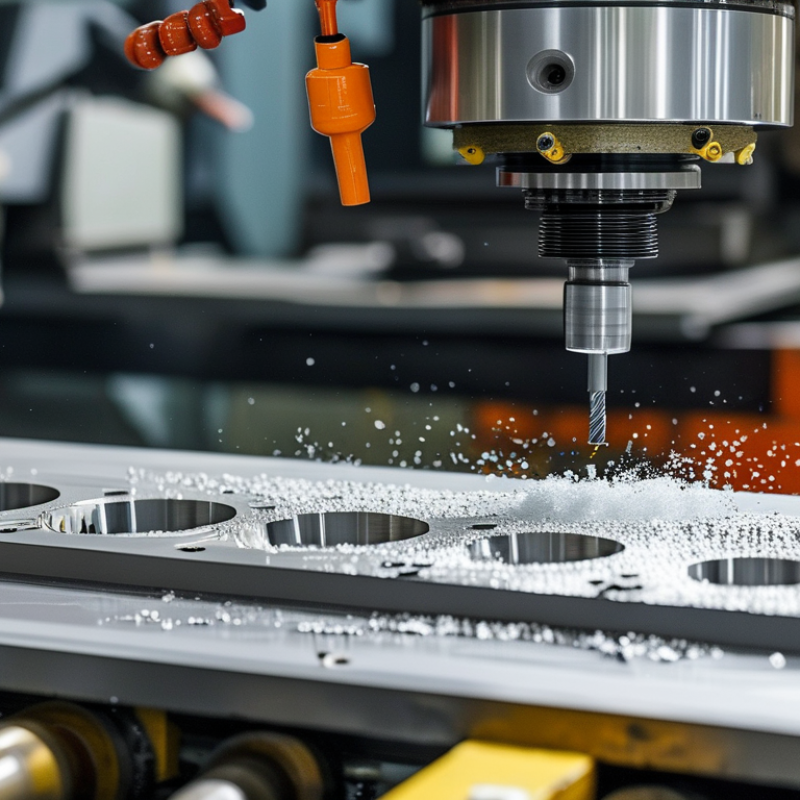
CNC machining is a pivotal process in the manufacturing sector. It uses computerized tools to create parts with high precision and accuracy. Understanding its principles is essential for effective sourcing of these services. According to a recent market report, the global CNC machining market is expected to reach USD 100 billion by 2028, highlighting its growing significance in various industries.
Key technologies in CNC machining include milling, turning, and laser cutting. These methods allow for varying degrees of complex shape creation. A 2021 study indicated that nearly 30% of manufacturers rely on CNC for components requiring tight tolerances of just 0.01 mm. However, not all CNC services meet these stringent quality benchmarks. It is important to verify the capabilities of potential partners.
Choosing the right service is not solely based on cost. Lead times and support services matter significantly. Nearly 25% of firms reported delays due to inadequate communication with their CNC suppliers. This illustrates the need to cultivate solid, transparent relationships with partners. Understanding these nuances can lead to better decision-making and improved outcomes when sourcing CNC machining services.
When sourcing precision parts through CNC machining, understanding your specific requirements is crucial. Begin by identifying the materials you need. Different materials, such as aluminum or steel, can affect machining processes. Consider the dimensions and tolerances required for your application. This information ensures that the manufacturer can meet your expectations.
Tip: Communicate clearly with your vendor. Provide detailed drawings and specifications. This reduces misunderstandings and errors. You might also want to discuss your production volume. Some services excel in low quantity runs, while others handle large batches better.
Next, reflect on the surface finish and treatment needed for your parts. Different applications may demand varying degrees of smoothness or durability. These decisions impact both performance and cost. Consult with experts if you aren't sure about these aspects, as it can save time and money later on.
Tip: Always ask for samples before committing to large orders. Testing a small batch can reveal issues in design or execution. This extra step can prevent significant setbacks down the line. Remember, precision machining is a partnership. Your engagement in the process improves the final outcome.
This chart represents the importance of various specifications when sourcing precision parts through CNC machining services. Each category is rated from 1 to 10, highlighting the key factors to consider for successful sourcing.
When sourcing precision parts CNC machining services, it's essential to evaluate providers based on key factors. Quality assurance is paramount. Look for certifications that indicate a commitment to high standards. These certifications can serve as a reliable indicator of their processes.
Communication plays a vital role in CNC machining projects. Effective dialogue ensures that your specifications are understood. When issues arise, quick resolution hinges on strong communication. Ask potential providers about their preferred communication methods and response times. It's worth noting that some companies may not prioritize this, leading to potential misunderstandings.
Experience and expertise are critical. A provider with years of industry knowledge can better anticipate challenges. They may offer insights that a newcomer simply cannot. Consider asking about previous projects that align with your requirements. This can reveal their level of proficiency and reliability. It’s also important to reflect on whether their experience fits your specific needs, as not all experienced providers will specialize in the same areas.
Pricing is another factor to consider, but it shouldn't be the only one. A lower quote might indicate corners being cut. Always compare services offered alongside pricing. It's essential to ensure value rather than just focusing on cost. Finding the right CNC machining service is about balancing quality, communication, and expertise.
Cost considerations in CNC machining often require careful balance between quality and budget. According to a report by industry experts, material costs can account for up to 50% of the total machining expenses. This highlights the importance of material selection. High-quality materials can enhance durability, but they also increase initial costs. For instance, titanium is more costly than aluminum, yet it offers superior strength-to-weight ratios.
Labor costs also play a significant role in CNC machining. Skilled labor is essential for precision work, and their hourly rates can vary significantly. A recent survey indicated that companies invest an average of 25% of total machining costs on labor. Finding skilled operators who can work efficiently is crucial. Training programs can reduce costs long-term but require upfront investment.
Precision parts often depend on the machining process chosen. Advanced techniques like multi-axis machining offer greater accuracy but come at a premium. A study shows that businesses saving on subpar equipment can end up facing higher costs due to increased waste and rework. Investing in quality machinery might seem excessive at first. However, it often leads to better outcomes in the long run. Balancing these factors is key to effectively managing CNC machining projects.
CNC machining is rapidly evolving. Advancements in technology are shaping the future of precision parts sourcing. Automation, artificial intelligence, and additive manufacturing are leading trends. These innovations aim to enhance accuracy and efficiency in production processes.
Finding the right CNC machining service can be challenging. Here are some tips. Evaluate the expertise of potential suppliers. A skilled team ensures consistent quality. Request samples before committing to large orders. Assess their capacity to handle your specific requirements. It’s crucial to choose a provider who understands your needs.
Communication is key in this industry. Make sure you articulate your specifications clearly. This can prevent misunderstandings and errors. Keep in mind, not every supplier will meet your expectations. Be open to reassessing your choices if issues arise. Building a strong relationship with your provider can yield better outcomes over time. Embrace flexibility and allow for adjustments as projects evolve.
| Tip Number | Tip Description | Considerations | Future Trend Impact |
|---|---|---|---|
| 1 | Define Your Specifications Clearly | Measurements, materials, tolerances | Helps in digital manufacturing efficiency |
| 2 | Evaluate Supplier Capabilities | Check machinery and experience | Increased automation in operations |
| 3 | Request Prototype Parts | Test products before full production | Rapid prototyping technology advancements |
| 4 | Consider Geographical Location | Shipping times and costs | Shift to localized supply chains |
| 5 | Build Long-Term Relationships | Stability and support in quality control | Collaboration for innovation |
„Thanks to the LUVIR technology, the solder resist process could be switched directly from the previously used mask exposure to direct exposure. As an outstanding digital solution on the market, this technology has been able to demonstrate fast process times and superior quality on our certified conventional ink in production. This allowed us to fully digitize the solder mask process at low cost – without process or ink adjustments. An excellent benefit to our production in Rot am See.“
Ralf Göhringer (Head of Production WE Rot am See)
I would definitely recommend the Limata machine and team for a future company purchase
Michael Greenaway
Compunetics Inc.
“The Limata ldi has been amazing!! Best thing we did was buy this machine”
Richard Brady
GM
Circuitlabs
“Since 2019, we have been running the Limata X1000 LDI system (including LUVIR for solder mask imaging) in daily production as an addition to our current process with film. The machine was capable of properly exposing Taiyo PSR-4000 BN (DI) solder mask types on normal to high-copper boards using a new and unique direct imaging process. The machine operating interface is very user friendly which allowed for a quick technical training curve. The pre-registration processing reduced several seconds of production time at every print. Limata support and service staff is incomparable. They supported our team every step of the way at basically any time of the day or night, with literally, an immediate response time, customizing the software interface to best fit our Operations and needs.
We have exposed more than 8,000 prints since end of October, on various solder mask colors and some resist film panels. Limata, has proven to be very capable and innovative. They are a strong contender in the industry.
We have very much enjoyed this project, and working with the team!
Thank you Limata for the continued support and being a part of our growth.”
Bill Sezate
Vice President, GM
Summit Interconnect
As a replacement to our current contact exposure process with film, the LIMATA X2000 system including LUVIR-Technology was capable of properly exposing non-LDI solder mask types using a direct imaging process. The machine offers cutting edge software with a very intuitive operating interface which allowed for quick technician training curve. The dual drawer system combined with pre-registration processing reduced several seconds of production time at every machine cycle. Limata support and service staff is world class. They added software patches to keep production running at shortest possible response times, customized the software interface to best fit our in-house Operations system, and even wrote a step-by-step machine processing manual. As a result of the project, we have exposed more than 16,000 times on various product types and solder mask brands/colors. Limata, in a very short timeframe as a company, has definitely shown they are truly innovative and will be challenging the industry of direct imaging for the top spot.
Kevin Beattie
Process Engineer
TTM Technologies
Forest Grove Division
