The Swing Beam Cutting Machine is an essential tool in various manufacturing sectors. Its ability to provide precise, efficient cutting makes it a favored choice among professionals. Data from recent industry reports indicate that global demand for these machines is expected to rise by 7% over the next five years. This growth is driven by advancements in automation and material handling technologies.
Despite the advantages, not all swing beam cutting machines meet high standards of durability and performance. Some models may struggle with complex materials, requiring careful evaluation before purchase. Industry experts highlight the importance of selecting machines that offer both reliability and versatility to address changing market needs.
As buyers navigate the options available, understanding the key features that define the best machines becomes crucial. An informed decision can enhance operational efficiency and minimize production downtime. Therefore, this guide aims to showcase the top ten swing beam cutting machines available globally, helping buyers make choices that align with their specific requirements.
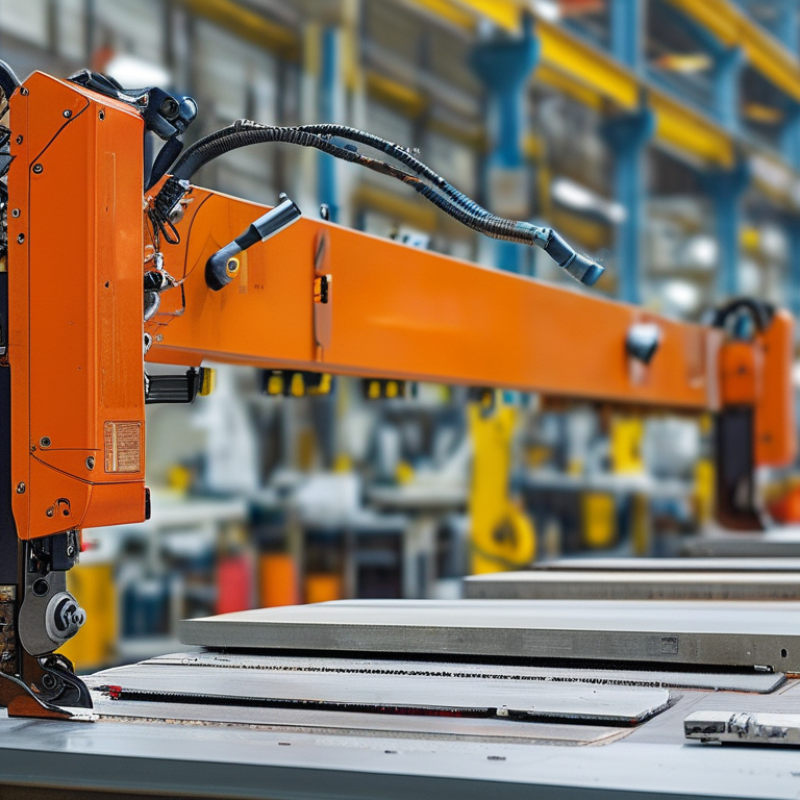
Swing beam cutting machines play a crucial role in various industries, especially in metal fabrication. These machines are designed for precision and efficiency, ensuring that even complex cuts are executed with minimal error. According to a recent industry report, the market for cutting machines is projected to grow by 8% annually over the next five years. This growth highlights the increasing demand for efficient manufacturing tools.
One notable feature of these machines is their ability to handle a wide range of materials. Users often report impressive outcomes when processing materials like aluminum, steel, and composite materials. The average cutting speed can reach up to 1,200 mm/s, which increases productivity significantly. However, some operators have expressed that maintaining accuracy can be challenging—especially with thicker materials or intricate designs. Regular calibration and training on machine use are essential for achieving optimal results.
Despite their advantages, swing beam cutting machines are not without limitations. Some users note that the initial cost can be a barrier for smaller businesses. Additionally, the learning curve for new operators can lead to inefficient practices if not addressed. Proper training and maintenance can mitigate these issues. The market remains dynamic, with innovations emerging each year, ensuring that swing beam cutting technology continues to evolve.
When selecting a swing beam cutting machine, several key features must be considered. The cutting capacity is essential. This dictates the thickness and type of materials you can work with. Look for machines with a robust design that ensures precision and durability. The quality of the cutting blade also plays a critical role. High-quality blades can enhance cutting accuracy and reduce wear over time.
Another vital aspect is the machine’s ease of use. A user-friendly interface simplifies the operation. Look for machines that offer clear displays and intuitive controls. Maintenance and service options are also worth checking. Reliable customer support can save you time and reduce downtime.
Tips for selection include asking for demos. This allows you to witness the machine’s performance firsthand. Additionally, reading user reviews can provide insights into the machine's reliability. Consider the energy consumption of the machine. Efficient models can lead to cost savings in the long run. Always remember to compare specifications to find the best fit for your needs. Reflect on your specific cutting requirements to avoid overspending on unnecessary features.
Swing beam cutting machines play a vital role in various industries. They are essential tools for fabricating materials like metal, plastics, and textiles. According to recent industry reports, the demand for high-precision cutting machines is projected to grow by 7% annually until 2027. This growth is driven by the need for efficiency and accuracy in production processes.
When selecting the right swing beam cutting machine, buyers should consider factors such as cutting capacity and dimensions. It is important to choose machines with robust design and reliable performance. However, the variety of options can be overwhelming. Some machines may not meet specific production requirements, leading to inefficiencies. Buyers need to analyze their needs carefully and balance cost against quality. Ensuring proper training and maintenance is also crucial for optimal machine operation.
Innovation and technology are rapidly changing the landscape of cutting machines. The integration of smart technology allows for enhanced precision and control. However, not all businesses utilize these advancements effectively. There are gaps in knowledge regarding best practices for machine operation. As industries evolve, staying updated with trends and technologies becomes essential for buyers. This continuous learning process is necessary to ensure long-term efficiency and product quality.
| Model | Cutting Capacity (mm) | Blade Width (mm) | Weight (kg) | Power (kW) | Price Range (USD) |
|---|---|---|---|---|---|
| Model A | 1500 | 50 | 300 | 3 | 15000 - 20000 |
| Model B | 1200 | 45 | 350 | 4 | 13000 - 18000 |
| Model C | 1800 | 60 | 400 | 5 | 20000 - 25000 |
| Model D | 1600 | 55 | 380 | 4.5 | 16000 - 21000 |
| Model E | 1400 | 50 | 320 | 3.2 | 12000 - 17000 |
| Model F | 1500 | 48 | 360 | 3.8 | 14000 - 19000 |
| Model G | 1700 | 55 | 370 | 4.2 | 18000 - 23000 |
| Model H | 1650 | 52 | 340 | 4 | 14500 - 19500 |
| Model I | 1550 | 50 | 310 | 3.5 | 11000 - 16000 |
| Model J | 1400 | 47 | 300 | 3 | 10000 - 15000 |
When selecting swing beam cutting machines, performance and efficiency are paramount. Buyers often face a challenging landscape of options. Each machine varies in precision, cutting speed, and material compatibility. For example, some models excel in cutting thicker materials but may sacrifice speed. Others prioritize speed, making them less effective for intricate designs.
Comparative analysis reveals that features such as blade quality and motor power significantly influence performance. Machines with higher RPMs tend to deliver cleaner cuts but might require frequent blade replacements. Energy consumption is also a crucial aspect; machines with low energy use can save costs in the long run but may come with trade-offs in cutting speed. Understanding these trade-offs is essential for informed decision-making.
Additionally, maintenance needs can affect long-term efficiency. Some machines require more frequent service, adding to operational costs. Regular upkeep can enhance longevity but may not always be feasible for all users. Balancing performance with maintenance and costs is crucial. Each buyer must weigh their specific needs against these varying factors to make the best choice.
Regular maintenance is crucial for the longevity of swing beam cutting machines. Keeping machines clean is essential. Dust and debris can affect performance. Schedule regular cleanings to remove materials that accumulate on parts. This simple practice can prevent bigger issues down the line.
Lubrication is another key to machine health. Ensure moving parts are well-lubricated. Lack of lubrication leads to friction and wear. However, be mindful—too much lubricant can attract dust. Use just the right amount to keep parts functioning smoothly. Operators should develop a routine to check lubrication levels.
Monitoring performance is important. Noticing subtle changes can signal problems. Operators should be alert to unusual sounds or vibrations. These may indicate that maintenance is needed. Keeping detailed logs of machine performance helps identify patterns. This proactive approach can help avoid unexpected breakdowns. Regular training for operators can enhance this awareness and optimize machine usage.
„Thanks to the LUVIR technology, the solder resist process could be switched directly from the previously used mask exposure to direct exposure. As an outstanding digital solution on the market, this technology has been able to demonstrate fast process times and superior quality on our certified conventional ink in production. This allowed us to fully digitize the solder mask process at low cost – without process or ink adjustments. An excellent benefit to our production in Rot am See.“
Ralf Göhringer (Head of Production WE Rot am See)
I would definitely recommend the Limata machine and team for a future company purchase
Michael Greenaway
Compunetics Inc.
“The Limata ldi has been amazing!! Best thing we did was buy this machine”
Richard Brady
GM
Circuitlabs
“Since 2019, we have been running the Limata X1000 LDI system (including LUVIR for solder mask imaging) in daily production as an addition to our current process with film. The machine was capable of properly exposing Taiyo PSR-4000 BN (DI) solder mask types on normal to high-copper boards using a new and unique direct imaging process. The machine operating interface is very user friendly which allowed for a quick technical training curve. The pre-registration processing reduced several seconds of production time at every print. Limata support and service staff is incomparable. They supported our team every step of the way at basically any time of the day or night, with literally, an immediate response time, customizing the software interface to best fit our Operations and needs.
We have exposed more than 8,000 prints since end of October, on various solder mask colors and some resist film panels. Limata, has proven to be very capable and innovative. They are a strong contender in the industry.
We have very much enjoyed this project, and working with the team!
Thank you Limata for the continued support and being a part of our growth.”
Bill Sezate
Vice President, GM
Summit Interconnect
As a replacement to our current contact exposure process with film, the LIMATA X2000 system including LUVIR-Technology was capable of properly exposing non-LDI solder mask types using a direct imaging process. The machine offers cutting edge software with a very intuitive operating interface which allowed for quick technician training curve. The dual drawer system combined with pre-registration processing reduced several seconds of production time at every machine cycle. Limata support and service staff is world class. They added software patches to keep production running at shortest possible response times, customized the software interface to best fit our in-house Operations system, and even wrote a step-by-step machine processing manual. As a result of the project, we have exposed more than 16,000 times on various product types and solder mask brands/colors. Limata, in a very short timeframe as a company, has definitely shown they are truly innovative and will be challenging the industry of direct imaging for the top spot.
Kevin Beattie
Process Engineer
TTM Technologies
Forest Grove Division
