Choosing among China’s top Aluminum Die Cast Mold manufacturers requires more than comparing factory photos or quoted prices. Mold quality affects filling, cooling, trimming, cycle time, and final part consistency. A polished website proves little. Real evaluation begins with process evidence. Ask how the supplier handles alloy selection, mold-flow analysis, thermal balance, venting, ejector layout, and tool steel choices. Request drawings, inspection records, and sample parts from comparable projects. Details matter. A thin automotive bracket may reveal flash, porosity, or uneven wall thickness within a few production cycles.
This article’s outline focuses on practical ways to assess China’s supplier ecosystem. It connects manufacturing experience with measurable engineering capabilities. Manufacturers vary widely. Some excel at complex automotive housings, while others specialize in smaller industrial components. Engineers should verify CNC machining, EDM, heat treatment, trial-shot procedures, and maintenance support. A reliable partner explains design changes clearly, rather than promising only a low opening price. Confirm tolerances, expected tool life, lead times, spare inserts, and ownership of technical files. When possible, arrange a factory audit or independent inspection. That step can expose rushed polishing, weak traceability, or inconsistent measurement practices. It is not always convenient.
The discussion also considers communication, certification, export experience, and after-sales responsibility. Claims should be checked against records, customer references, and measurable results. A manufacturer may appear ideal until a mold needs repair across time zones. Clarify response times, warranty terms, packaging, and technical support before approval. Cost remains important, but the cheapest quotation can create expensive downtime. The best choice depends on part geometry, annual volume, alloy, machine conditions, and risk tolerance. No ranking can replace technical due diligence. This guide presents practical comparison points for identifying capable, transparent, and dependable Chinese suppliers. Some conclusions may require revision as production evidence accumulates.
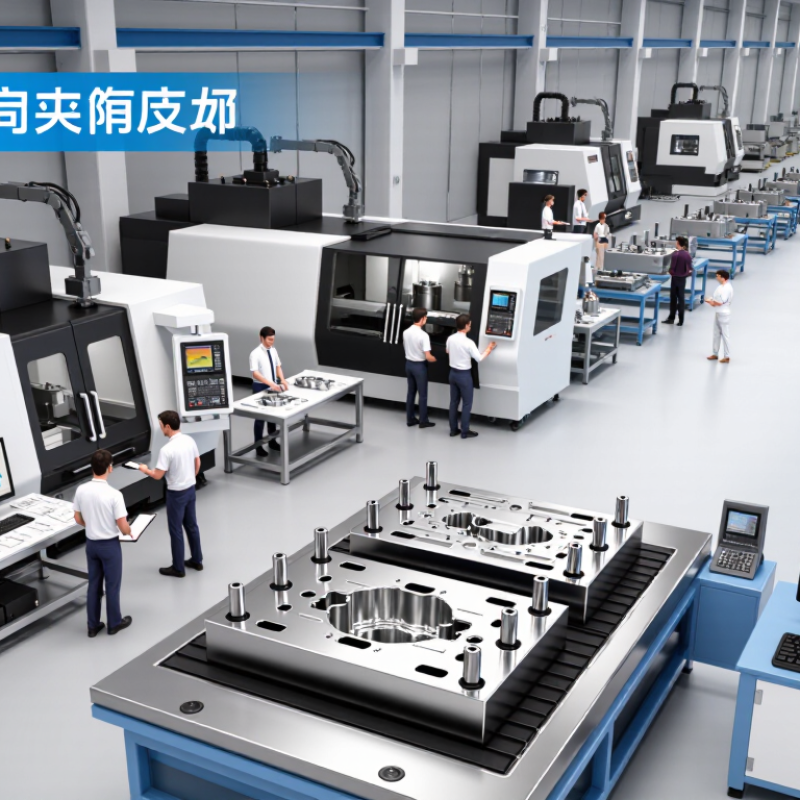
Aluminum die cast molds are precision steel tools that shape molten aluminum under high pressure. The mold contains a cavity, runner system, gates, vents, and cooling channels. Together, these features control how metal fills and solidifies. A small venting error can trap air and create visible porosity. That defect may appear only after machining or pressure testing.
Their importance extends beyond part shape. A well-designed mold supports stable dimensions, shorter cycle times, and fewer rejected castings. Practical manufacturers study alloy behavior, wall thickness, draft angles, and expected production volume before cutting steel. They also check mold flow, cooling balance, and ejector placement. In a working cell, these details affect every shot. A few seconds saved per cycle can become thousands of parts each month.
Still, mold design is not perfectly predictable. A simulation may show smooth filling, while production reveals local hot spots. This is where trial casting, measurement, and controlled adjustments matter. Experienced teams inspect flash, soldering, wear, and cooling performance during regular maintenance. They may polish one area, enlarge a vent, or change a cooling insert. The best manufacturers document these changes and connect them to inspection results. Guesswork remains tempting. It should not replace evidence.
China’s top aluminum die cast mold manufacturers usually begin with product function, not decoration. Engineers review the part’s wall thickness, draft angles, ribs, and ejection points. They then build a 3D CAD model and check metal flow through simulation. This helps identify air traps, cold shuts, and filling imbalance before steel is cut. Still, simulation is not perfect. Real casting trials may reveal surprises.
Mold manufacturing typically uses hardened tool steel for the cavity, core, and replaceable inserts. CNC machining creates the main geometry, while EDM forms narrow ribs and deep features. Cooling channels are positioned near high-heat areas, but excessive cooling can create uneven shrinkage. After machining, technicians polish critical surfaces, measure dimensions, and assemble the mold carefully. A controlled trial checks flash, porosity, surface marks, and cycle time.
Tips: Ask for a mold flow report, steel certificate, dimensional inspection record, and trial-casting data. Confirm who handles design changes after testing. Clear communication matters. Small details matter. Experienced manufacturers also review maintenance access, spare inserts, and expected shot life. A practical design may not look perfect, but it should run steadily, release parts cleanly, and allow reasonable repairs. The best supplier is not always the cheapest; consistent process control is often more valuable.
A top aluminum die cast mold manufacturer in China is defined by repeatable standards, not attractive promises. In practice, experienced buyers examine mold steel certificates, heat-treatment records, and cavity hardness before approving a design. The manufacturer should understand alloy flow, shrinkage, venting, and thermal stress. Small details matter.
Reliable mold shops use dimensional drawings with clear tolerances and inspection points. They may check critical surfaces with a coordinate measuring machine, then compare the report with approved samples. Cooling channels should be measured, cleaned, and tested for leaks. Ejector pins must move smoothly without marking the casting. These steps reduce flash, porosity, and uneven filling during production.
Traceability also separates a capable supplier from an average one. Each mold should have revision records, component lists, maintenance instructions, and trial-shot data. A serious manufacturer explains expected mold life under defined conditions, rather than quoting an impressive number without evidence. That honesty builds authority. Still, no supplier is perfect. Even skilled teams can miss a corner radius or underestimate heat buildup. The best response is documented correction, not silence. Look for transparent communication, controlled processes, and test results that another engineer can verify.
A strong aluminum die cast mold manufacturer is typically evaluated through relevant quality, environmental, workplace safety, and automotive quality-management standards. The chart compares the publication years of widely recognized standards; certification scope and audited manufacturing capability should also be verified during supplier qualification.
Choosing among China’s top aluminum die cast mold manufacturers requires more than comparing prices. Buyers should examine engineering depth, production controls, and communication habits. A capable supplier can review part drawings, identify weak draft angles, and suggest practical wall thickness changes. Ask whether their engineers use flow simulation before cutting steel. Small design corrections can prevent filling defects, trapped air, and expensive rework.
Tooling capability deserves close inspection. Compare mold steel grades, heat treatment records, CNC machining accuracy, and electrode management. Request sample dimensional reports, not only attractive photographs. Critical dimensions should include clear tolerances and measuring methods. Ask about cooling-channel design, ejector systems, mold life, and maintenance support. A supplier may promise long service life, but the evidence should include production records and repair history. A polished brochure is not proof.
Quality systems also reveal supplier reliability. Look for material traceability, first-article inspection, process checklists, and controlled revision records. Confirm how quickly the team responds when a trial sample fails. Good suppliers document the problem, adjust the mold, and explain the reason. Communication matters. Technical drawings, inspection data, and trial feedback should be shared in precise English. I have seen projects slow down because assumptions replaced written details. That mistake is avoidable, although buyers sometimes overlook it under schedule pressure. Compare packaging, spare inserts, export experience, and after-sales support as carefully as the initial quotation. Fancy tooling is not always dependable tooling.
| Capability to Compare | Basic Supplier Benchmark | Competitive Supplier Benchmark | Advanced Supplier Benchmark | Why It Matters to Buyers |
|---|---|---|---|---|
| Die-Casting Machine Range | 160–800 t Suitable for small and medium aluminum components. | 250–1,600 t Supports a wider range of automotive, industrial, and consumer parts. | 400–4,000+ t Suitable for large structural components and high-integrity castings. | Machine capacity must match projected part size, projected area, shot weight, and production volume. |
| Typical Mold Size | Up to approximately 800 × 800 mm Common for compact molds. | Approximately 1,200 × 1,200 mm Supports medium and multi-cavity tooling. | Approximately 2,000 × 2,000 mm or larger Applicable to large-format die-casting tools. | Available mold dimensions affect whether a supplier can manufacture the complete tool without outsourcing. |
| Tool Steel Selection | H13 or equivalent hot-work steel Used for general-purpose aluminum die-casting molds. | H13 with controlled heat treatment Includes documented hardness and traceability. | Premium hot-work grades or equivalent May include vacuum heat treatment, nitriding, and localized inserts. | Steel grade, heat treatment, and surface condition strongly influence thermal-fatigue resistance and mold life. |
| Dimensional Accuracy | General mold machining tolerance: ±0.05 mm Suitable for less demanding features. | Critical mold features: approximately ±0.02–0.03 mm Requires controlled machining and inspection. | Critical features: approximately ±0.01–0.02 mm Typically supported by high-precision CNC and coordinated measurement. | Buyers should compare tolerance by feature rather than relying on one overall tolerance statement. |
| Surface Finish Capability | CNC finish machining Suitable for standard as-cast surfaces. | Polishing and texture preparation Supports visible and functional mold surfaces. | Polishing, EDM texture, laser texturing, and controlled surface treatments Suitable for demanding cosmetic requirements. | Surface quality influences part appearance, release performance, friction, and post-processing requirements. |
| Flow and Solidification Analysis | Basic filling review Often based on standard process experience. | Filling, air-entrapment, and solidification simulation Results are reviewed before mold completion. | Iterative simulation with thermal, runner, overflow, and parameter optimization Used for complex or high-integrity parts. | Simulation can reduce short shots, porosity, weld lines, and costly mold modifications. |
| Cooling System Design | Conventional drilled cooling channels Suitable for relatively simple geometries. | Balanced cooling circuits with documented flow paths Improves thermal consistency. | Optimized cooling layouts and conformal-cooling options Useful for hot spots and complex geometries. | Consistent mold temperature helps control cycle time, distortion, soldering, and premature thermal cracking. |
| Venting and Vacuum Readiness | Standard vents and overflow wells Appropriate for conventional pressure die casting. | Engineered venting and overflow design Includes review of air-trap locations. | Vacuum die-casting compatibility with advanced venting Suitable for applications requiring lower porosity. | Venting capability is important for pressure tightness, weldability, heat treatment, and structural performance. |
| Expected Mold Life | Approximately 30,000–60,000 shots Highly dependent on alloy, cycle conditions, and maintenance. | Approximately 60,000–100,000 shots Requires suitable steel and controlled process conditions. | 100,000+ shots in suitable applications Usually supported by optimized steel, treatment, cooling, and maintenance. | Shot-life claims should be linked to alloy, part geometry, cycle time, repair policy, and agreed acceptance criteria. |
| Prototype and Trial Support | One formal mold trial Basic dimensional and visual review. | T0/T1/T2 trial planning Includes corrective-action tracking. | Full validation plan with capability studies May include process-window development and production ramp-up support. | A defined trial process reduces ambiguity when dimensional, cosmetic, or casting defects appear. |
| Inspection Equipment | Calipers, micrometers, height gauges, and hardness testing Suitable for routine checks. | CMM inspection and mold-component reports Provides recorded dimensional evidence. | CMM, optical inspection, scanning, material verification, and process data review Suitable for complex tooling programs. | Inspection capability should match the critical-to-function dimensions and the buyer’s reporting requirements. |
| Quality Management | Documented internal inspection procedures Basic control of incoming and finished items. | ISO 9001-based quality system Includes corrective and preventive action processes. | Automotive-oriented quality controls where applicable May include APQP, FMEA, control plans, and PPAP support. | Certification alone is not sufficient; buyers should verify process records, traceability, and corrective-action effectiveness. |
| Typical Tooling Lead Time | 6–10 weeks For relatively simple single-cavity tools. | 8–14 weeks For medium-complexity tools with simulation and trial casting. | 12–20+ weeks For large, multi-slide, vacuum-ready, or highly integrated tooling. | Lead time should clearly separate design approval, machining, heat treatment, assembly, trials, corrections, and final acceptance. |
| Engineering Change Control | Manual revision tracking Suitable for small projects. | Controlled CAD revisions and change records Includes approval before machining changes. | Formal change-management workflow Links design revisions to tool history, inspection, and production documentation. | Reliable change control prevents outdated drawings, duplicate work, and disputes over approved specifications. |
| After-Sales Mold Maintenance | Basic repair support Replacement of common wear components. | Preventive maintenance schedule Includes spare-part recommendations and repair records. | Lifecycle support with wear monitoring May include periodic inspections, refurbishment, and optimization recommendations. | Maintenance support affects total tooling cost, uptime, repeatability, and long-term production risk. |
| Commercial Evaluation Point | Lowest initial mold price May exclude trials, spare inserts, and engineering changes. | Transparent total tooling cost Separates design, steel, machining, trials, transport, and modifications. | Total cost of ownership Considers mold life, cycle time, scrap, maintenance, and production continuity. | The lowest quotation is not necessarily the lowest-cost option over the complete production program. |
Note: The figures above are practical industry benchmark ranges rather than guarantees. Actual performance depends on part geometry, aluminum alloy, casting pressure, cycle time, surface requirements, production volume, tool maintenance, and the final technical agreement.
Selecting a Chinese aluminum die cast mold manufacturer requires more than comparing quotations. Start with the part drawing, alloy, annual volume, and expected mold life. Ask whether the supplier has produced similar automotive, appliance, or industrial components. Request photographs, inspection records, and sample reports. Real evidence matters more than polished presentations.
Review the manufacturer’s engineering process in detail. A capable team should check wall thickness, draft angles, ejection points, cooling channels, and likely porosity before machining begins. Confirm the proposed mold steel, heat treatment, CNC capacity, and dimensional tolerance. Ask for a trial schedule with clear acceptance criteria. It should include filling tests, sample measurement, and correction procedures. Small details reveal working habits.
Communication can decide the project. Assign one technical contact who understands English drawings and revision control. Use numbered files, meeting notes, and written approval for every change. A factory audit, whether physical or remote, can expose weak inspection areas. Check calibration records and production cleanliness. Do not select only by price. A low quote may hide limited testing, thin mold components, or expensive modifications later. I have seen evaluations focus heavily on machinery while overlooking response speed. That is an imperfect method. A supplier with excellent equipment may still miss deadlines or explain defects poorly. Discuss spare inserts, maintenance support, packaging, and shipping documents before signing. Ask difficult questions early. The answers are useful evidence.
„Thanks to the LUVIR technology, the solder resist process could be switched directly from the previously used mask exposure to direct exposure. As an outstanding digital solution on the market, this technology has been able to demonstrate fast process times and superior quality on our certified conventional ink in production. This allowed us to fully digitize the solder mask process at low cost – without process or ink adjustments. An excellent benefit to our production in Rot am See.“
Ralf Göhringer (Head of Production WE Rot am See)
I would definitely recommend the Limata machine and team for a future company purchase
Michael Greenaway
Compunetics Inc.
“The Limata ldi has been amazing!! Best thing we did was buy this machine”
Richard Brady
GM
Circuitlabs
“Since 2019, we have been running the Limata X1000 LDI system (including LUVIR for solder mask imaging) in daily production as an addition to our current process with film. The machine was capable of properly exposing Taiyo PSR-4000 BN (DI) solder mask types on normal to high-copper boards using a new and unique direct imaging process. The machine operating interface is very user friendly which allowed for a quick technical training curve. The pre-registration processing reduced several seconds of production time at every print. Limata support and service staff is incomparable. They supported our team every step of the way at basically any time of the day or night, with literally, an immediate response time, customizing the software interface to best fit our Operations and needs.
We have exposed more than 8,000 prints since end of October, on various solder mask colors and some resist film panels. Limata, has proven to be very capable and innovative. They are a strong contender in the industry.
We have very much enjoyed this project, and working with the team!
Thank you Limata for the continued support and being a part of our growth.”
Bill Sezate
Vice President, GM
Summit Interconnect
As a replacement to our current contact exposure process with film, the LIMATA X2000 system including LUVIR-Technology was capable of properly exposing non-LDI solder mask types using a direct imaging process. The machine offers cutting edge software with a very intuitive operating interface which allowed for quick technician training curve. The dual drawer system combined with pre-registration processing reduced several seconds of production time at every machine cycle. Limata support and service staff is world class. They added software patches to keep production running at shortest possible response times, customized the software interface to best fit our in-house Operations system, and even wrote a step-by-step machine processing manual. As a result of the project, we have exposed more than 16,000 times on various product types and solder mask brands/colors. Limata, in a very short timeframe as a company, has definitely shown they are truly innovative and will be challenging the industry of direct imaging for the top spot.
Kevin Beattie
Process Engineer
TTM Technologies
Forest Grove Division
