In the world of rail transport, safety and efficiency are paramount. A critical component in achieving these goals is the Aluminum part for train door systems. According to a recent report from Market Research Future, the global market for rail components is projected to grow at a rate of 5.1% annually. This highlights the growing importance of high-quality materials in ensuring reliability.
Aluminum's lightweight properties make it ideal for train doors. It can significantly reduce overall vehicle weight, leading to better fuel efficiency. However, not all aluminum parts offer the same performance. A study from the American Railway Engineering and Maintenance-of-Way Association emphasizes the need for stringent quality control in manufacturing these components. This is crucial for maintaining safety standards.
Understanding which aluminum parts are essential for train doors can be overwhelming. Many manufacturers struggle with the balance between cost and quality. It raises questions about the best choices for durability and performance. With the right knowledge, companies can make informed decisions that enhance both safety and long-term reliability. This comprehensive guide aims to clarify those choices.
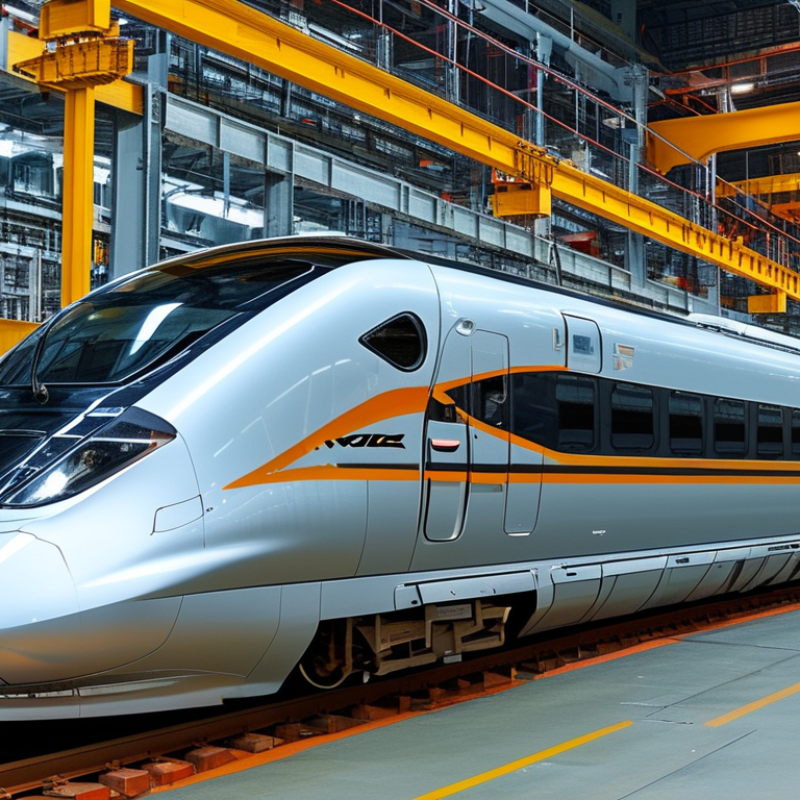
Aluminum plays a crucial role in train door construction, offering a blend of durability and lightweight characteristics. Various aluminum parts enhance the functionality and safety of train doors. For instance, aluminum frames provide structural integrity while minimizing weight, which aids in energy efficiency. Furthermore, aluminum hinges are designed for longevity, ensuring smooth operation during frequent use.
Aluminum seals and gaskets are essential for maintaining airtight and watertight conditions. These components prevent leaks and enhance passenger comfort by reducing noise. Additionally, aluminum panels can be coated for improved weather resistance. However, not all coatings create equal durability. It is important to select the appropriate finish for specific environmental conditions.
Yet, the reliance on aluminum does come with its challenges. Issues such as corrosion and fatigue must be addressed during design and maintenance. Regular inspections can help identify weaknesses early on. Understanding these factors can empower manufacturers and operators to enhance safety and efficiency in train operations.
Aluminum components play a crucial role in the construction of train doors. They contribute to both functionality and safety. One key aspect is their lightweight nature. Lightweight doors reduce the overall weight of the train, improving fuel efficiency. This leads to reduced operational costs for train companies. Additionally, the resilience of aluminum against environmental factors enhances durability. This means fewer replacements and lower maintenance costs.
Aluminum parts also offer superior corrosion resistance. This is vital in various climates, ensuring doors remain operational for longer periods. The malleability of aluminum allows for intricate designs and secure fittings. These features provide better sound insulation, creating a more comfortable travel experience. However, not all aluminum used is of the same quality. There can be variations in strength and durability that impact overall performance.
Another factor to consider is the potential for mechanical failure. As technology progresses, some aluminum components may not keep pace with newer materials. Regular assessments and replacements may be necessary. Balancing the benefits and potential weaknesses is essential for maintaining high safety standards in train operations. Awareness of these factors enables better decision-making in selecting aluminum parts for train doors.
When designing train doors, specific aluminum parts are crucial for functionality and safety. These parts ensure durability and seamless operation. One key component is the aluminum frame, which provides structural integrity. The frame must withstand various environmental conditions while being lightweight. Lightweight frames help in energy efficiency.
Another essential part is the door hinge. It needs to be robust to handle frequent use. The choice of aluminum allows for resistance to corrosion. This enhances longevity, reducing maintenance needs. Pay attention to the hinge design for smooth door operation. A poorly designed hinge can lead to operational failures.
Additionally, consider the sealing system. Aluminum seals help maintain temperature control and prevent noise. Design should prioritize user comfort and energy efficiency. Reflecting on these elements can lead to improved overall design. Ensuring all components work harmoniously is vital for safety and performance in train operations. Always aim for a balance between functionality and aesthetics in your design choices.
The use of lightweight aluminum in train doors is transforming the rail industry. Aluminum parts reduce overall weight without sacrificing strength. This lightweight material enhances train efficiency and reduces energy consumption. When train doors are made from aluminum, they open and close with ease. This agility is crucial for quick boarding and alighting processes.
However, there are challenges. While aluminum is strong, it can be more susceptible to deformation upon impact compared to heavier materials. Striking a balance between weight and durability is essential. Engineers must continually evaluate designs to ensure safety standards are met. Relying solely on aluminum may not always be the best option, especially in high-impact scenarios.
The implementation of aluminum in train doors is not without its complexities. Maintenance can be tricky due to corrosion over time. Regular inspections and treatments are necessary to prolong the lifespan of aluminum components. As we embrace this innovative material, continuous research is vital for optimizing its use in train door applications.
The future of aluminum parts in train door manufacturing leans heavily towards innovation and sustainability. Recent studies show that the global market for aerospace and transportation aluminum is expected to reach $170 billion by 2030. This growth is primarily driven by an increasing demand for lightweight materials that enhance energy efficiency. Train doors made with aluminum offer a notable reduction in weight, which contributes to lower fuel consumption and reduces carbon emissions.
Additionally, advancements in aluminum alloy technology are shaping the production of train doors. Modern alloys boast improved strength and corrosion resistance, which are critical for longevity and safety. Reports indicate that around 65% of train manufacturers are exploring these advanced materials. However, challenges remain. The manufacturing process can be complex and requires significant investment in technology and training. There's room for improvement in recycling processes, as current rates for recycling aluminum in the transportation sector lag behind potential levels.
Innovation is more than just selecting materials; it's also about integrating smart technologies. The inclusion of IoT devices within aluminum train doors could enhance safety features and streamline maintenance schedules. Yet, this integration introduces a learning curve and concerns about data privacy. As the industry navigates these developments, a balanced approach will be essential to ensure that sustainability meets practicality in the future of train door manufacturing.
„Thanks to the LUVIR technology, the solder resist process could be switched directly from the previously used mask exposure to direct exposure. As an outstanding digital solution on the market, this technology has been able to demonstrate fast process times and superior quality on our certified conventional ink in production. This allowed us to fully digitize the solder mask process at low cost – without process or ink adjustments. An excellent benefit to our production in Rot am See.“
Ralf Göhringer (Head of Production WE Rot am See)
I would definitely recommend the Limata machine and team for a future company purchase
Michael Greenaway
Compunetics Inc.
“The Limata ldi has been amazing!! Best thing we did was buy this machine”
Richard Brady
GM
Circuitlabs
“Since 2019, we have been running the Limata X1000 LDI system (including LUVIR for solder mask imaging) in daily production as an addition to our current process with film. The machine was capable of properly exposing Taiyo PSR-4000 BN (DI) solder mask types on normal to high-copper boards using a new and unique direct imaging process. The machine operating interface is very user friendly which allowed for a quick technical training curve. The pre-registration processing reduced several seconds of production time at every print. Limata support and service staff is incomparable. They supported our team every step of the way at basically any time of the day or night, with literally, an immediate response time, customizing the software interface to best fit our Operations and needs.
We have exposed more than 8,000 prints since end of October, on various solder mask colors and some resist film panels. Limata, has proven to be very capable and innovative. They are a strong contender in the industry.
We have very much enjoyed this project, and working with the team!
Thank you Limata for the continued support and being a part of our growth.”
Bill Sezate
Vice President, GM
Summit Interconnect
As a replacement to our current contact exposure process with film, the LIMATA X2000 system including LUVIR-Technology was capable of properly exposing non-LDI solder mask types using a direct imaging process. The machine offers cutting edge software with a very intuitive operating interface which allowed for quick technician training curve. The dual drawer system combined with pre-registration processing reduced several seconds of production time at every machine cycle. Limata support and service staff is world class. They added software patches to keep production running at shortest possible response times, customized the software interface to best fit our in-house Operations system, and even wrote a step-by-step machine processing manual. As a result of the project, we have exposed more than 16,000 times on various product types and solder mask brands/colors. Limata, in a very short timeframe as a company, has definitely shown they are truly innovative and will be challenging the industry of direct imaging for the top spot.
Kevin Beattie
Process Engineer
TTM Technologies
Forest Grove Division
