Thermal Shock Test Chambers are crucial in material testing. They simulate extreme temperature changes, helping manufacturers ensure product durability. According to a report by TechNavio, the thermal shock test equipment market will grow by over 4% annually. This growth reflects the increasing demand for high-quality, reliable products in various industries.
Dr. James Thompson, a leading expert in materials engineering, states, "The Thermal Shock Test Chamber is an essential tool to prevent product failures." His insight emphasizes the importance of rigorous testing in enhancing product reliability. Industries utilizing these chambers range from electronics to automotive, underscoring their versatility.
Despite the advancements, challenges remain. Not all materials withstand thermal stress as expected. Understanding these limits is critical for innovation. Companies must continuously adapt their testing strategies to meet industry standards. This reflection is vital in maintaining competitiveness in a rapidly evolving market.
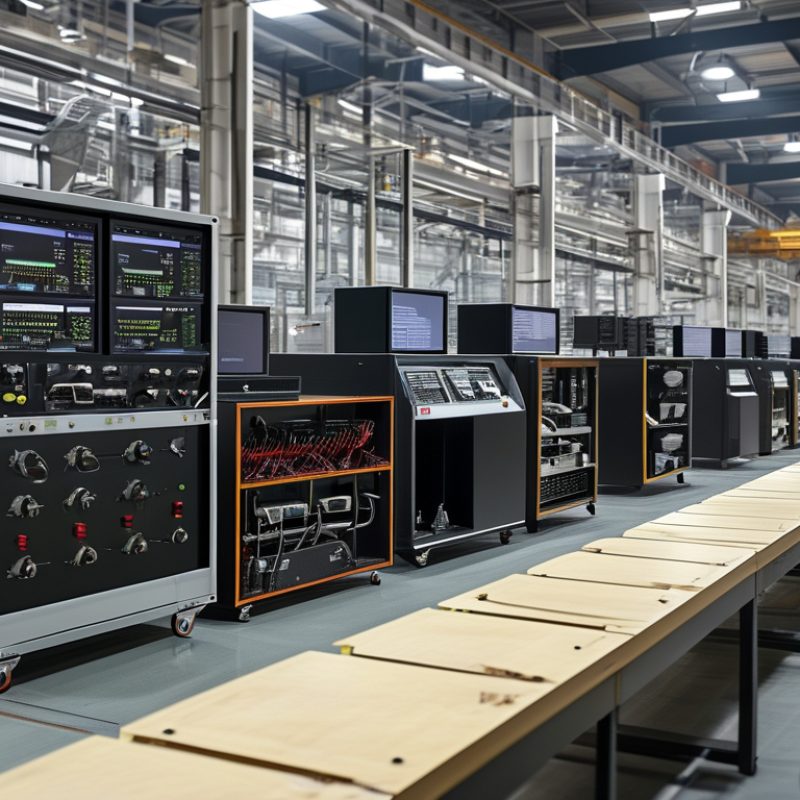
Thermal shock test chambers are vital in assessing material durability under extreme temperature fluctuations. These chambers expose samples to rapid changes, mimicking harsh environmental conditions. According to a report by the International Society of Automotive Engineers, nearly 70% of material failures occur due to improper thermal cycling resistance. This highlights the necessity of such testing methods in various industries including electronics and aerospace.
The functionality of thermal shock test chambers is straightforward yet impactful. They alternate between high and low temperatures, effectively simulating conditions that products might face during their lifecycle. This testing helps engineers understand failure mechanisms better. A study conducted by a leading materials science journal indicated that materials exposed to thermal shock testing had a documented 30% longer lifespan than those without such testing. Insights gained from this testing process are crucial for enhancing product reliability.
Despite the benefits, challenges remain. Not all materials withstand thermal shock tests well. Some may degrade faster than expected, revealing flaws in design or material choice. This underlines the importance of continuous innovation and rigorous testing in achieving optimal product performance. The ability to predict and improve material behavior under stress is essential in maintaining industry standards.
Thermal shock test chambers are essential in various industries, particularly for testing the durability of materials and components. These chambers rapidly shift temperatures to evaluate product reliability under extreme conditions. According to a report by Research and Markets, the thermal shock testing industry is projected to grow significantly due to increased automation and quality control demands.
One key advantage of using these chambers is their ability to simulate real-world conditions. This capability helps manufacturers identify potential failure modes early in the design process. A study by the American Society for Testing and Materials highlights that products tested in thermal shock chambers can have a failure rate reduced by as much as 30%. This early detection can save companies considerable amounts of time and resources.
Additionally, thermal shock testing enhances product development. It provides critical data on thermal expansion and contraction properties. Understanding these characteristics fosters better material selection and engineering solutions. Conversely, not utilizing such robust testing methods could lead to unreliable products entering the market, which might result in increased warranty claims and customer dissatisfaction. This perspective emphasizes the importance of thorough testing protocols in maintaining product integrity and brand reputation.
Thermal shock test chambers play a crucial role in the reliability and durability testing of materials and products. These chambers simulate extreme temperature changes, often ranging from -70°C to +150°C. This range allows engineers to observe how materials react under rapid thermal stress. According to an industry report, over 60% of product failures can be linked to thermal variations during production or in end-use scenarios.
Testing with thermal shock chambers can help prevent these failures. For instance, materials that endure repeated exposure to high and low temperatures can exhibit fatigue and crack formation. Research shows that 80% of companies that adopted these tests reported improved product reliability. This improvement stems from identifying failure points early in the development process. By using thermal shock testing, manufacturers can ensure that their products withstand real-world conditions.
However, not all materials respond predictably. Some may fail catastrophically under thermal stress, revealing hidden vulnerabilities. Industries must continuously assess their testing methods and materials to avoid costly mistakes. A proactive approach in testing can lead to better designs and safer products for consumers. Adapting to new findings and refining testing protocols is essential for maintaining quality and safety.
Thermal shock testing is crucial for quality assurance in various industries. This method evaluates how materials respond to extreme temperature changes. Implementing a thermal shock test chamber can enhance the durability and reliability of products. It helps identify weaknesses that may not be apparent under normal conditions.
Cost efficiency comes into play when thermal shock testing is integrated into production processes. Detecting potential failures early can save significant costs associated with product recalls or failures in the field. Companies can avoid the expenses linked to warranties and customer dissatisfaction.
However, the initial investment in such testing facilities may seem daunting. It's important to weigh long-term savings against upfront costs.
In addition to cost savings, this testing can improve product design. Teams gain insights into material performance under stress. Sometimes, the data may reveal unexpected vulnerabilities. Companies must analyze these results carefully to make informed adjustments. It’s not only about passing tests but optimizing overall performance. Balancing quality, cost, and innovation is an ongoing challenge that every organization must navigate.
Thermal shock test chambers are vital in various industries. They simulate extreme temperature changes. This testing helps to assess the reliability of materials and components. In the aerospace sector, for instance, components must withstand rapid temperature shifts. Engineers utilize these chambers to ensure safety and performance in challenging environments.
In the automotive industry, thermal shock testing evaluates the durability of parts. Electronics and sensors face extreme conditions. By using thermal shock chambers, manufacturers can identify weaknesses early. This improves product lifespan and enhances overall vehicle safety. The medical field also benefits. Devices and materials must endure harsh conditions. Knowing their performance under stress is crucial for patient safety.
Some testing environments may not replicate real-world scenarios perfectly. This can lead to unexpected results. It's important to analyze and reflect on the outcomes critically. Embracing these limitations helps to refine testing processes. Thermal shock test chambers continue to play a key role in quality assurance across industries.
| Benefit | Description | Applications |
|---|---|---|
| Accelerated Testing | Simulates extreme temperature variations to quickly assess material durability. | Aerospace, Automotive |
| Quality Control | Ensures products meet rigorous quality standards through thermal cycling. | Electronics, Manufacturing |
| Material Evaluation | Helps in selecting the right materials for specific applications based on performance. | Construction, Energy |
| Research & Development | Facilitates the development of new materials and products by testing under extreme conditions. | Pharmaceuticals, Nanotechnology |
| Compliance Testing | Validates that products comply with industry standards and regulations. | Military, Telecommunications |
| Cost Savings | Reduces costs associated with product failures and recalls through early detection of issues. | Consumer Goods, Appliances |
| Improved Safety | Enhances product safety by identifying potential failure modes before market release. | Automotive, Aviation |
| Enhanced Performance | Informs design improvements leading to better overall product performance. | Sports Equipment, Electronics |
| Real-world Simulation | Mimics environmental conditions products will face in actual use for more reliable results. | Medical Devices, Environmental Testing |
| Customer Satisfaction | Ensures that final products meet customer expectations for reliability and durability. | All Industries |
„Thanks to the LUVIR technology, the solder resist process could be switched directly from the previously used mask exposure to direct exposure. As an outstanding digital solution on the market, this technology has been able to demonstrate fast process times and superior quality on our certified conventional ink in production. This allowed us to fully digitize the solder mask process at low cost – without process or ink adjustments. An excellent benefit to our production in Rot am See.“
Ralf Göhringer (Head of Production WE Rot am See)
I would definitely recommend the Limata machine and team for a future company purchase
Michael Greenaway
Compunetics Inc.
“The Limata ldi has been amazing!! Best thing we did was buy this machine”
Richard Brady
GM
Circuitlabs
“Since 2019, we have been running the Limata X1000 LDI system (including LUVIR for solder mask imaging) in daily production as an addition to our current process with film. The machine was capable of properly exposing Taiyo PSR-4000 BN (DI) solder mask types on normal to high-copper boards using a new and unique direct imaging process. The machine operating interface is very user friendly which allowed for a quick technical training curve. The pre-registration processing reduced several seconds of production time at every print. Limata support and service staff is incomparable. They supported our team every step of the way at basically any time of the day or night, with literally, an immediate response time, customizing the software interface to best fit our Operations and needs.
We have exposed more than 8,000 prints since end of October, on various solder mask colors and some resist film panels. Limata, has proven to be very capable and innovative. They are a strong contender in the industry.
We have very much enjoyed this project, and working with the team!
Thank you Limata for the continued support and being a part of our growth.”
Bill Sezate
Vice President, GM
Summit Interconnect
As a replacement to our current contact exposure process with film, the LIMATA X2000 system including LUVIR-Technology was capable of properly exposing non-LDI solder mask types using a direct imaging process. The machine offers cutting edge software with a very intuitive operating interface which allowed for quick technician training curve. The dual drawer system combined with pre-registration processing reduced several seconds of production time at every machine cycle. Limata support and service staff is world class. They added software patches to keep production running at shortest possible response times, customized the software interface to best fit our in-house Operations system, and even wrote a step-by-step machine processing manual. As a result of the project, we have exposed more than 16,000 times on various product types and solder mask brands/colors. Limata, in a very short timeframe as a company, has definitely shown they are truly innovative and will be challenging the industry of direct imaging for the top spot.
Kevin Beattie
Process Engineer
TTM Technologies
Forest Grove Division
