In the rapidly evolving construction industry, Concrete Batch Systems play a crucial role. These systems are essential for ensuring the efficient mixing and delivery of concrete for various projects. As demand increases globally, buyers need reliable solutions that meet their unique requirements.
The year 2026 brings exciting opportunities for innovation in Concrete Batch Systems. New technologies promise improved efficiency and sustainability. However, the market is also filled with challenges. Buyers must navigate numerous options, each with varying features and performance metrics. It can be overwhelming.
Understanding key aspects of these systems is vital. Factors such as production capacity, adaptability, and maintenance requirements significantly impact your decision. It's essential to weigh the pros and cons of each system. Quality relies not only on technology but also on the support and expertise provided by manufacturers. Engaging with trusted suppliers can lead to better choices in the long run.
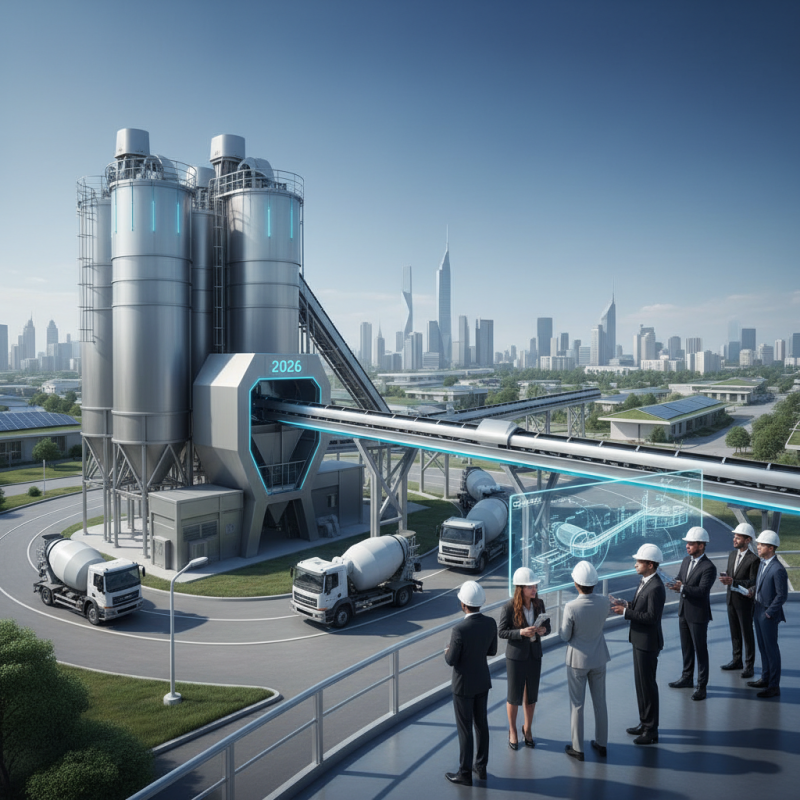
As concrete batch systems evolve, global trends indicate a shift towards automation and sustainability. Many manufacturers now focus on integrating smart technologies. These systems allow for precise control and better resource management. The demand for eco-friendly solutions is rising. Companies are increasingly adopting practices that reduce waste and energy consumption.
Emerging markets are experiencing rapid growth in construction. This creates a higher demand for efficient batch systems. However, many regions struggle with outdated infrastructure. Investment in modern technology is crucial to meet future needs. Additionally, the challenge of training operators on new systems remains a concern. The workforce must adapt to evolving demands in the industry.
Despite advancements, there are areas for improvement. Some regions still lack access to reliable systems. Disparities in technology adoption can hinder progress. Efforts to bridge this gap will be essential for the future. Concrete batch systems must also innovate continuously to address environmental challenges. Adapting to these market trends will define the industry's path forward.
As we look forward to 2026, the demand for advanced concrete batch systems is poised to grow. Buyers should focus on key features that ensure efficiency and reliability. Automation is a significant aspect. Automated processes reduce manual labor and errors, resulting in precise mixes.
Advanced sensors monitor material quality, contributing to overall productivity. These sensors also provide real-time data, enabling operators to make informed decisions.
Another important feature is the flexibility of the system. Buyers need to consider batch sizes and mix designs. A versatile batching system can accommodate various projects, from small residential jobs to large commercial constructions. This adaptability can save time and resources. However, not all systems offer the same level of customization. Some buyers might find themselves limited by rigid designs.
Maintenance is equally critical. A reliable batch system should require minimal downtime. Regular maintenance checks are essential to avoid costly delays. Many systems today offer predictive maintenance features. These can signal when parts are due for servicing. Yet, it's important for buyers to be aware that no system is infallible. Issues can arise unexpectedly, and being prepared is vital for smooth operations.
When exploring concrete batch systems, several brands stand out in terms of efficiency and reliability. Each brand offers unique features that cater to varying needs in construction projects. For instance, some systems prioritize automation, streamlining the mixing process. Others focus on durability, ensuring long-lasting performance in tough environments.
A comparative analysis reveals that while one brand excels in advanced technology, another might offer more user-friendly interfaces. Users often mention the importance of ease of maintenance. This factor can significantly affect operational efficiency. Moreover, the initial setup process varies, with some systems requiring extensive training for operators, whereas others are more intuitive.
Interestingly, the market presents a few challenges that require reflection. Trends push for greener materials, impacting traditional concrete production methods. Buyers might need to consider sustainability alongside performance. A balance between innovation and established practices is critical. As the market evolves, staying adaptable to new standards and technologies becomes vital. This approach ensures that concrete batch systems meet the demands of tomorrow's projects.
Environmental regulations are reshaping concrete batch technology in 2026. With increasing global awareness regarding climate change, stricter standards are emerging. Reports indicate that by 2026, at least 75% of concrete producers will adopt eco-friendly practices. These practices partially stem from regulatory pressures aimed at reducing carbon emissions in construction.
Innovative batching techniques are now essential. Efficient use of resources can minimize waste. According to industry data, up to 30% of raw materials are often wasted in traditional methods. Adopting more sustainable technologies could significantly reduce this figure. However, many facilities lack the funds for this transition. An estimated 40% of plant operators express concerns regarding these financial investments.
The challenge remains to balance regulatory compliance with operational efficiency. Emerging technologies like recycled aggregates and water-efficient systems hold promise. Yet, not all operators are aware of these advancements. Education and outreach are critical for facilitating this shift. In this evolving landscape, only knowledgeable stakeholders will thrive.
The future of concrete batch systems looks promising as we approach 2026. Innovations are reshaping how these systems operate. Advancements in automation and technology will drive efficiency. Smart sensors will enhance quality control. Real-time data analytics will provide valuable insights. This can lead to better decisions on-site.
Sustainability is a critical focus for new systems. Eco-friendly materials and processes are gaining traction. Reducing waste and energy consumption is essential. However, the transition isn't without challenges. Some companies may struggle to adapt to these new practices. Finding the right balance between innovation and practicality is crucial.
Training and skill development for workers will be vital. As systems become more complex, expertise will be necessary. Ensuring employees understand new technologies can be overwhelming. This highlights the need for continuous learning in the industry. Additionally, collaboration among stakeholders will ease the transition. The road ahead may not be entirely smooth, but the potential for improvement is significant.
„Thanks to the LUVIR technology, the solder resist process could be switched directly from the previously used mask exposure to direct exposure. As an outstanding digital solution on the market, this technology has been able to demonstrate fast process times and superior quality on our certified conventional ink in production. This allowed us to fully digitize the solder mask process at low cost – without process or ink adjustments. An excellent benefit to our production in Rot am See.“
Ralf Göhringer (Head of Production WE Rot am See)
I would definitely recommend the Limata machine and team for a future company purchase
Michael Greenaway
Compunetics Inc.
“The Limata ldi has been amazing!! Best thing we did was buy this machine”
Richard Brady
GM
Circuitlabs
“Since 2019, we have been running the Limata X1000 LDI system (including LUVIR for solder mask imaging) in daily production as an addition to our current process with film. The machine was capable of properly exposing Taiyo PSR-4000 BN (DI) solder mask types on normal to high-copper boards using a new and unique direct imaging process. The machine operating interface is very user friendly which allowed for a quick technical training curve. The pre-registration processing reduced several seconds of production time at every print. Limata support and service staff is incomparable. They supported our team every step of the way at basically any time of the day or night, with literally, an immediate response time, customizing the software interface to best fit our Operations and needs.
We have exposed more than 8,000 prints since end of October, on various solder mask colors and some resist film panels. Limata, has proven to be very capable and innovative. They are a strong contender in the industry.
We have very much enjoyed this project, and working with the team!
Thank you Limata for the continued support and being a part of our growth.”
Bill Sezate
Vice President, GM
Summit Interconnect
As a replacement to our current contact exposure process with film, the LIMATA X2000 system including LUVIR-Technology was capable of properly exposing non-LDI solder mask types using a direct imaging process. The machine offers cutting edge software with a very intuitive operating interface which allowed for quick technician training curve. The dual drawer system combined with pre-registration processing reduced several seconds of production time at every machine cycle. Limata support and service staff is world class. They added software patches to keep production running at shortest possible response times, customized the software interface to best fit our in-house Operations system, and even wrote a step-by-step machine processing manual. As a result of the project, we have exposed more than 16,000 times on various product types and solder mask brands/colors. Limata, in a very short timeframe as a company, has definitely shown they are truly innovative and will be challenging the industry of direct imaging for the top spot.
Kevin Beattie
Process Engineer
TTM Technologies
Forest Grove Division
