When it comes to heating systems, a Condens Pump is crucial. It efficiently removes condensation from equipment, preventing water damage. Understanding the key features of a condens pump is essential for both maintenance and performance.
Many users overlook the importance of selecting the right condens pump. This oversight can lead to system inefficiencies and increased repair costs. A well-chosen condens pump not only enhances overall system functionality but also promotes energy savings.
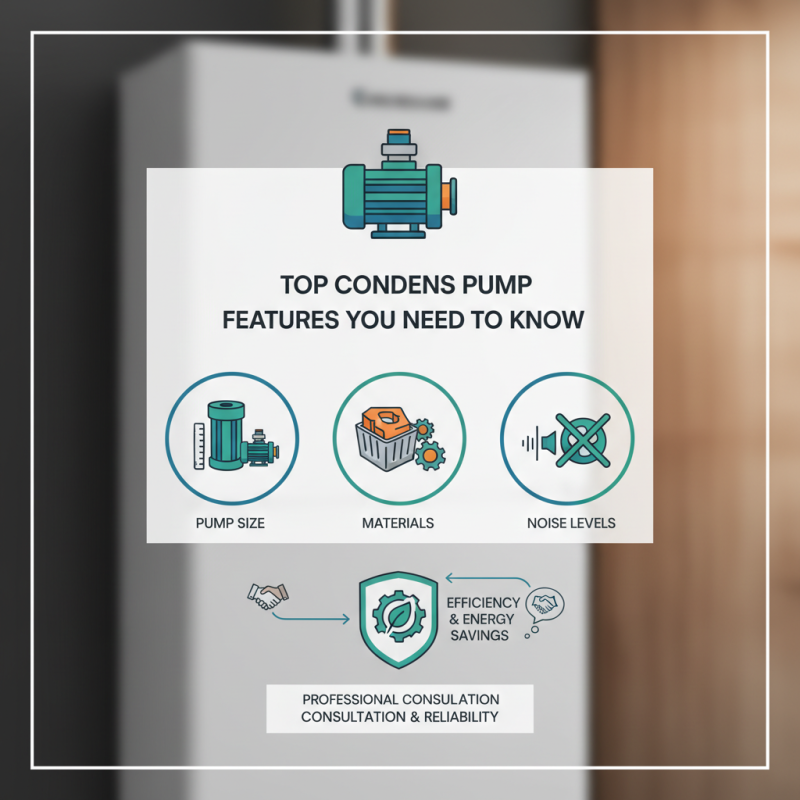
It is vital to consider aspects such as pump size, materials, and noise levels. Each feature plays a significant role in the pump's performance. While there are many options on the market, understanding these features ensures a reliable and effective installation. Engaging with experienced professionals can provide deeper insights into these critical aspects. This investment pays off significantly in the long run.
When considering a condensate pump, understanding its key components is essential. The pump itself is a robust device designed to remove excess water. Its size and power determine effectiveness. Usually, it operates quietly, ensuring minimal disruption.
The float switch is a critical element. It detects water levels and activates the pump automatically. If the switch fails, the system risks overflow. Next, the check valve prevents backflow. A malfunction here can lead to serious issues. Lastly, the motor drives the pump, converting electrical energy into mechanical action.
Pay attention to the reservoir. It collects condensate before pumping. If it’s not properly sized, the system may not function efficiently. Maintenance is often overlooked. Regular checks can prevent unexpected breakdowns. Understanding these components is vital for optimal performance and longevity.
| Feature | Description | Function |
|---|---|---|
| Pump Motor | Electric motor that drives the pump mechanism. | Provides the necessary power for pumping condensate. |
| Float Switch | A device that detects the water level in the pump. | Automatically turns the pump on or off to prevent overflow. |
| Check Valve | Prevents backflow of condensate into the pump. | Ensures one-way flow, protecting the system from contamination. |
| Pump Chamber | The main body of the pump where condensate collects. | Houses the mechanisms that push water upwards. |
| Discharge Pipe | Pipe that transports condensate away from the pump. | Directs the pumped condensate to the designated drainage area. |
| Power Supply | Electrical supply to the motor and components. | Ensures consistent operation of the pump system. |
When it comes to condensate pumps, understanding pump capacity and efficiency is crucial. These factors significantly influence the overall performance of heating and cooling systems. A pump’s capacity determines how much condensate it can handle. If a pump is undersized, it can lead to overflow and damage. Over time, this may result in costly repairs and inefficiencies in your system.
Efficiency is another key aspect. A more efficient pump consumes less energy while performing better. This can save you money over time. However, not all pumps are designed equal. It's essential to evaluate the specifications before making a decision. Some may seem appealing but fail to match your system's needs.
Moreover, regular maintenance can impact a pump's performance. Neglecting maintenance may lead to decreased efficiency. This, in turn, can affect your overall system operation. Understanding these variables helps ensure you choose the right pump for your requirements. Don't overlook the importance of doing thorough research. Each choice you make directly impacts efficiency and performance.
When considering condensate pumps, noise reduction features are crucial for user comfort. Many pumps incorporate advanced sound-dampening technologies. These features tend to minimize vibrations during operation. A well-designed condensate pump should operate quietly, creating less disruption in homes or workplaces.
Materials play a significant role in noise control. High-quality pumps often use rubber mounts or sound-absorbing enclosures. These elements can significantly reduce noise levels. However, not all pumps succeed in balancing efficiency and quiet operation. Users might find some models still produce more sound than preferred.
Furthermore, pump placement can affect noise performance. Positioning near walls or within enclosed spaces may amplify sounds. It’s essential to assess these factors during installation. Regular maintenance, such as cleaning and checking components, can help reduce noise. Ignoring these aspects may lead to a louder, less efficient system. Investing in a pump that prioritizes noise reduction can enhance overall comfort and satisfaction.
When it comes to condensate pumps, innovative technologies are at the forefront of enhancing both performance and durability. Recent studies indicate that up to 40% of operational inefficiencies in HVAC systems can be traced back to inadequate pumping solutions. Advanced features like variable speed motors and efficient impeller designs are increasingly common. These enhance flow rates while reducing energy consumption.
Another noteworthy advancement is the integration of smart technology. Sensors now monitor pump performance in real time. They can detect blockages or leaks immediately. This minimizes downtime and repair costs, which can average around $1,200 annually per system for traditional pumps. Moreover, materials used in pump construction are evolving. Corrosion-resistant alloys and thermoplastics extend lifespan and reliability. These features address the common issue of wear and tear.
However, not all innovations yield perfect results. While smart technologies improve functionality, they can also introduce complexity. Some users find it challenging to navigate these advanced systems. The learning curve can create initial hiccups in performance. Additionally, the reliance on technology may lead to neglect in routine maintenance, which remains crucial. Balancing innovation with fundamental practices is vital for optimal system performance.
Maintenance is crucial for extending the life of your condensate pump. Regular upkeep can prevent costly repairs. Here's how to keep your pump running smoothly.
One tip is to regularly check the pump’s inlet and outlet for clogs. Debris can accumulate and affect performance. Removing any visible blockages will help maintain efficient operation. Inspecting the float switch is also important. Ensure it moves freely without obstructions. A stuck float can lead to pump failure.
Another useful practice is to clean the pump's reservoir periodically. Dust and dirt can build up, reducing the pump's effectiveness. Use a mixture of vinegar and water for a natural cleaning solution. Run the pump regularly, even when not in heavy use. This keeps the internal parts lubricated and functioning well.
Finally, consider checking the electrical connections often. Loose wires can create safety hazards and disrupt the pump's function. Tighten any loose connections you find. Keeping a routine maintenance schedule is key. Regular attention will save you from unexpected breakdowns in the future.
„Thanks to the LUVIR technology, the solder resist process could be switched directly from the previously used mask exposure to direct exposure. As an outstanding digital solution on the market, this technology has been able to demonstrate fast process times and superior quality on our certified conventional ink in production. This allowed us to fully digitize the solder mask process at low cost – without process or ink adjustments. An excellent benefit to our production in Rot am See.“
Ralf Göhringer (Head of Production WE Rot am See)
I would definitely recommend the Limata machine and team for a future company purchase
Michael Greenaway
Compunetics Inc.
“The Limata ldi has been amazing!! Best thing we did was buy this machine”
Richard Brady
GM
Circuitlabs
“Since 2019, we have been running the Limata X1000 LDI system (including LUVIR for solder mask imaging) in daily production as an addition to our current process with film. The machine was capable of properly exposing Taiyo PSR-4000 BN (DI) solder mask types on normal to high-copper boards using a new and unique direct imaging process. The machine operating interface is very user friendly which allowed for a quick technical training curve. The pre-registration processing reduced several seconds of production time at every print. Limata support and service staff is incomparable. They supported our team every step of the way at basically any time of the day or night, with literally, an immediate response time, customizing the software interface to best fit our Operations and needs.
We have exposed more than 8,000 prints since end of October, on various solder mask colors and some resist film panels. Limata, has proven to be very capable and innovative. They are a strong contender in the industry.
We have very much enjoyed this project, and working with the team!
Thank you Limata for the continued support and being a part of our growth.”
Bill Sezate
Vice President, GM
Summit Interconnect
As a replacement to our current contact exposure process with film, the LIMATA X2000 system including LUVIR-Technology was capable of properly exposing non-LDI solder mask types using a direct imaging process. The machine offers cutting edge software with a very intuitive operating interface which allowed for quick technician training curve. The dual drawer system combined with pre-registration processing reduced several seconds of production time at every machine cycle. Limata support and service staff is world class. They added software patches to keep production running at shortest possible response times, customized the software interface to best fit our in-house Operations system, and even wrote a step-by-step machine processing manual. As a result of the project, we have exposed more than 16,000 times on various product types and solder mask brands/colors. Limata, in a very short timeframe as a company, has definitely shown they are truly innovative and will be challenging the industry of direct imaging for the top spot.
Kevin Beattie
Process Engineer
TTM Technologies
Forest Grove Division
