The global automotive landscape is evolving, particularly with the rise of EPB Motor technology. According to a recent market analysis by Allied Market Research, the EPB (Electronic Parking Brake) market is projected to reach $9.8 billion by 2026. This growth reflects the increasing demand for safety and convenience features in vehicles. EPB Motors are at the forefront of this innovation, offering compact designs and enhanced operational efficiency.
Dr. Mark Taylor, an automotive technology expert, emphasizes the importance of these systems. He states, “Integrating EPB Motors significantly enhances vehicle functionality and safety.” This technology not only improves user experience but also complies with stringent safety regulations.
As buyers explore options in 2026, understanding the benefits of EPB Motors will be crucial. These systems can reduce vehicle weight, enhance fault tolerance, and lower manufacturing costs. However, not all EPB solutions are created equal, and potential drawbacks must be considered. The evolving landscape demands careful evaluation of technology to make informed purchasing decisions.
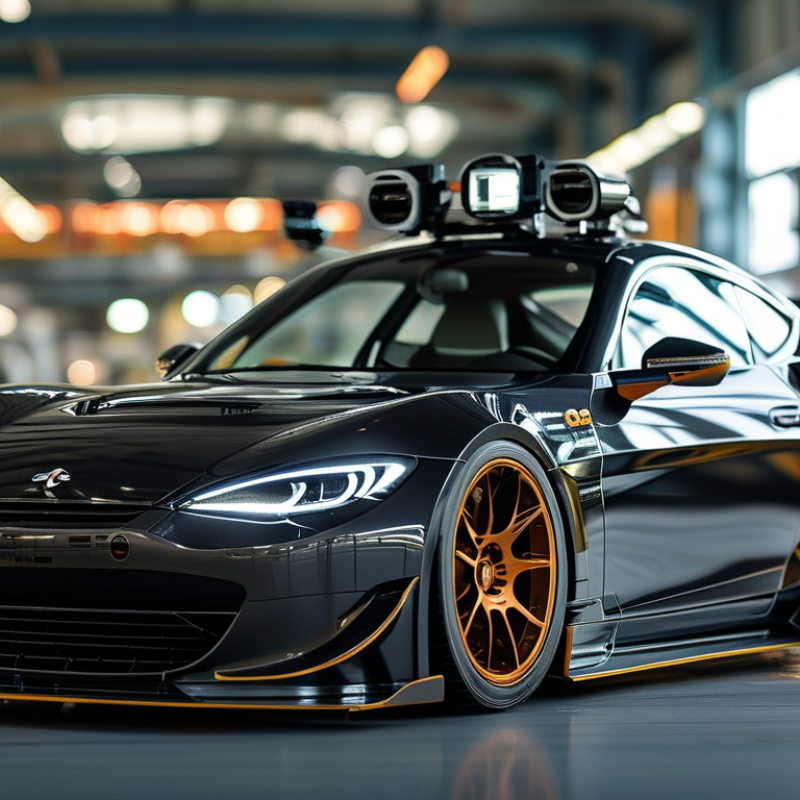
EPB motors, or Electric Parking Brake motors, are becoming increasingly important in the automotive industry. These motors play a crucial role in enhancing vehicle safety and convenience. EPB systems replace traditional mechanical parking brakes, allowing for smoother and more reliable operation. They can engage or disengage with just a push of a button, reducing the risk of user error. This technology is particularly beneficial in urban areas where space is limited and every inch counts.
There are different types of EPB motors available. Some use integrated electronics for better performance and diagnostics. Others focus on efficiency and lightweight design. The choice of an EPB motor can impact vehicle dynamics significantly. However, not all motors offer the same level of reliability. Buyers must consider factors like durability and compatibility. As the market evolves, more innovations are likely to emerge, but understanding current options is essential for informed decisions.
In recent years, the shift towards electric vehicles has brought more attention to EPB systems. While this creates exciting opportunities, challenges still exist. Some manufacturers struggle with integrating advanced EPB technology into existing models. This gap highlights a need for ongoing research and development. Additionally, adapting to evolving consumer expectations can be quite challenging. Each choice made in the design phase has far-reaching implications for user experience and vehicle performance.
Electric Power Brake (EPB) motors are evolving rapidly. By 2026, global buyers will appreciate their efficiency and performance. One major advantage of EPB motors is their compact design. This allows for more space in vehicles, enhancing overall layout flexibility. According to a recent industry report, EPB systems can save up to 12% of the vehicle's overall weight, which contributes to better fuel economy.
Another noteworthy benefit is their reliability. EPB motors are durable and require less maintenance compared to traditional braking systems. This reliability means fewer breakdowns and a lower total cost of ownership for buyers. Recent data indicates that EPB systems have a failure rate of less than 0.1%, making them a dependable choice for manufacturers.
Tip: When sourcing EPB motors, consider their compatibility with existing systems. Not all EPB designs integrate smoothly. Ensure you analyze technical specifications closely. Quality matters.
Cost-effectiveness also plays a vital role. Although initial investment can be higher, the long-term savings on repairs outweigh this. Additionally, EPB systems enhance safety. They provide quicker response times in emergency situations. However, training for users and technicians is crucial to maximize safety benefits. Understanding the learning curve is essential.
Electric Power Brake (EPB) motors are gaining attention for their cost-effectiveness in 2026. According to a recent industry report, the global EPB motor market is projected to reach $7 billion by 2026, demonstrating significant growth. The transition to EPB motors allows manufacturers to reduce production costs. This efficiency leads to lower final consumer prices, making vehicles more affordable.
Moreover, EPB systems contribute to weight reduction in vehicles, which can lead to fuel savings. Research indicates that reducing vehicle weight by just 10% can increase fuel efficiency by 5-7%. Consumers are increasingly looking for environmentally friendly options. EPB motors align well with this demand, as they enhance vehicle performance while minimizing environmental impact.
However, it's worth noting that the initial investment in EPB technology can be higher compared to traditional systems. This aspect may deter some manufacturers, especially smaller ones. Balancing upfront costs with long-term savings is essential. As the industry evolves, ongoing innovations could further enhance the cost-effectiveness of EPB systems, presenting both challenges and opportunities to stakeholders.
This bar chart illustrates the top 10 benefits of EPB motors for global buyers in 2026, highlighting key areas such as cost savings, efficiency, and user experience. Each benefit is scored out of 10, providing a visual representation of their significance in the automotive market.
The push for environmentally friendly technologies has led to the adoption of Electric Power Brake (EPB) motors. These motors offer substantial environmental benefits. They contribute to reducing greenhouse gas emissions significantly. In urban areas, lower emissions improve air quality. Cleaner air leads to better public health outcomes for communities.
EPB motors are energy-efficient, utilizing less power compared to traditional systems. This efficiency translates into reduced electricity consumption. Consequently, there's a decrease in fossil fuel demand for electricity generation. However, the production of these motors requires rare materials, raising concerns over sustainability practices. Proper recycling methods are necessary to mitigate potential environmental impacts.
The shift towards EPB motors presents challenges. Not all users are aware of these motors' full capabilities. Education on their benefits is crucial for wider adoption. Manufacturers face pressure to ensure these motors maintain high performance across various conditions. There remains room for improvement in durability and maintenance, which can affect user trust. Addressing these issues will enhance efficiency and encourage more global buyers to consider EPB motors.
The evolution of Electric Parking Brake (EPB) motors is reshaping the automotive landscape. As we enter 2026, innovative technologies are set to enhance efficiency and safety. These motors offer compact designs, conserving valuable space in vehicle interiors. Their lightweight features contribute to improved fuel efficiency, crucial for eco-friendly automobiles.
The integration of advanced sensor technology in EPB motors adds a layer of reliability. This allows for real-time diagnostics, alerting drivers to any malfunctions immediately. However, the dependency on technology raises questions about potential software vulnerabilities. Regular updates and maintenance are essential.
Incorporating AI in EPB systems promises to enhance user experience through smarter braking responses. However, the complexity of these systems may present challenges for manufacturers and consumers alike. Striking a balance between innovation and reliability will be vital as we progress in this field. The future of EPB motors holds great promise, but it requires careful consideration and ongoing improvement.
„Thanks to the LUVIR technology, the solder resist process could be switched directly from the previously used mask exposure to direct exposure. As an outstanding digital solution on the market, this technology has been able to demonstrate fast process times and superior quality on our certified conventional ink in production. This allowed us to fully digitize the solder mask process at low cost – without process or ink adjustments. An excellent benefit to our production in Rot am See.“
Ralf Göhringer (Head of Production WE Rot am See)
I would definitely recommend the Limata machine and team for a future company purchase
Michael Greenaway
Compunetics Inc.
“The Limata ldi has been amazing!! Best thing we did was buy this machine”
Richard Brady
GM
Circuitlabs
“Since 2019, we have been running the Limata X1000 LDI system (including LUVIR for solder mask imaging) in daily production as an addition to our current process with film. The machine was capable of properly exposing Taiyo PSR-4000 BN (DI) solder mask types on normal to high-copper boards using a new and unique direct imaging process. The machine operating interface is very user friendly which allowed for a quick technical training curve. The pre-registration processing reduced several seconds of production time at every print. Limata support and service staff is incomparable. They supported our team every step of the way at basically any time of the day or night, with literally, an immediate response time, customizing the software interface to best fit our Operations and needs.
We have exposed more than 8,000 prints since end of October, on various solder mask colors and some resist film panels. Limata, has proven to be very capable and innovative. They are a strong contender in the industry.
We have very much enjoyed this project, and working with the team!
Thank you Limata for the continued support and being a part of our growth.”
Bill Sezate
Vice President, GM
Summit Interconnect
As a replacement to our current contact exposure process with film, the LIMATA X2000 system including LUVIR-Technology was capable of properly exposing non-LDI solder mask types using a direct imaging process. The machine offers cutting edge software with a very intuitive operating interface which allowed for quick technician training curve. The dual drawer system combined with pre-registration processing reduced several seconds of production time at every machine cycle. Limata support and service staff is world class. They added software patches to keep production running at shortest possible response times, customized the software interface to best fit our in-house Operations system, and even wrote a step-by-step machine processing manual. As a result of the project, we have exposed more than 16,000 times on various product types and solder mask brands/colors. Limata, in a very short timeframe as a company, has definitely shown they are truly innovative and will be challenging the industry of direct imaging for the top spot.
Kevin Beattie
Process Engineer
TTM Technologies
Forest Grove Division
