Leather dyeing is a crucial process in the fashion and automotive industries. The demand for high-quality color application has led to innovations in technology. According to a market research report, the leather processing machinery market will reach USD 5 billion by 2025. This growth is driven by the rising consumer preferences for leather goods.
Leather Dyeing Machines are essential for achieving consistent and vibrant colors. They improve efficiency and minimize wastage in dyeing operations. However, not all machines meet the industry's rigorous standards. Many buyers face challenges in selecting the right equipment due to varied quality and performance.
The competition among manufacturers creates a diverse marketplace. Buyers may feel overwhelmed by the options available. Furthermore, while some advanced machines offer high performance, they may come at a steep price. It is vital for buyers to evaluate their specific needs. Understanding the key attributes and functionalities of leather dyeing machines can lead to better purchasing decisions.
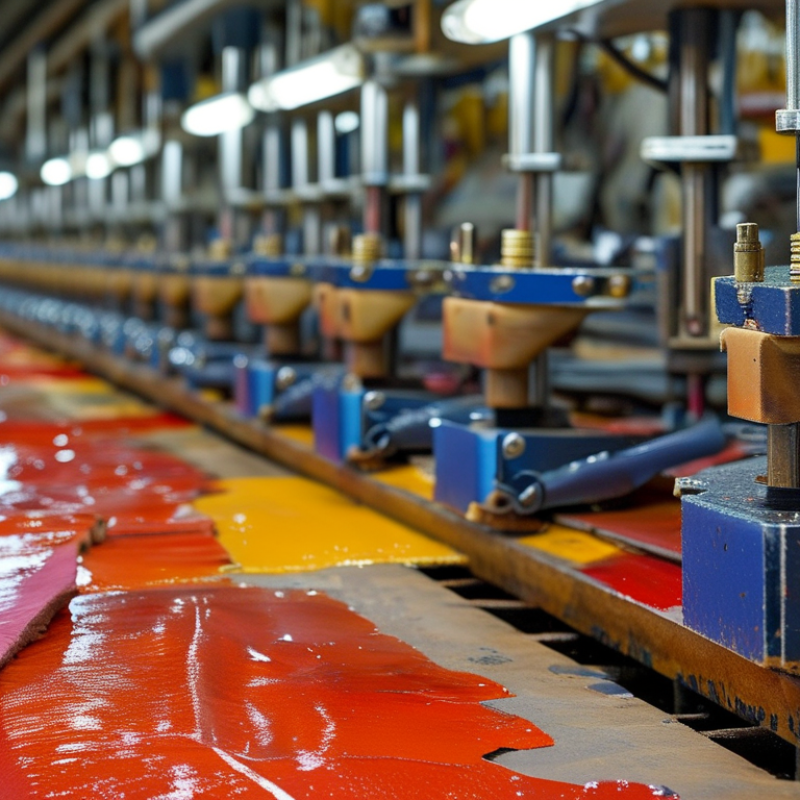
Choosing the right leather dyeing machine is crucial for achieving high-quality results. Various factors influence this decision, including machine type, capacity, and dyeing technology. According to industry reports, the demand for leather dyeing machines is projected to grow at a rate of 5% annually. This indicates a robust market with various options available.
When selecting a machine, consider the volume of production. High-capacity machines are suited for large-scale operations, while smaller units may appeal to artisans. Pay attention to the dyeing process as well. Different technologies, like rotary or spray dyeing, impact efficiency and color consistency. It’s essential to understand which method aligns with your operational needs.
Tips: Always test a machine under realistic conditions before purchase. Conducting trial runs helps in assessing performance. Additionally, review user feedback and technical specifications thoroughly. This can highlight potential challenges. Don't overlook the importance of vendor support. Reliable maintenance and service are vital for long-term operation.
Leather dyeing is an intricate process that requires specialized machines to achieve the desired results. Various types of machines cater to specific needs in dyeing leather. Drum dyeing machines are popular for their efficiency. They offer consistent dye penetration and are suitable for bulk production. The rotating drum ensures even distribution of dye, which minimizes color variation.
Spray dyeing machines are another widely used option. They allow for precision and control. This method is particularly beneficial for detailed work, such as creating patterns or varying shades. However, the setup can be intricate, requiring skilled operators to achieve quality results. It may not always be easy to manage dye overspray, leading to potential waste.
Roller dyeing machines also play a significant role in the industry. They provide a quick method to dye thinner materials. But, they might not be suitable for thicker leather, where uneven dyeing could occur. Choosing the right machine requires understanding the specific needs of the leather type and the desired finished product. Each machine has its advantages and shortcomings, emphasizing the importance of careful consideration in the selection process.
When exploring leather dyeing machines, understanding their features is crucial. These machines vary in size, capacity, and technology. Some are designed for small-scale operations, while others cater to large manufacturing needs. A key feature is the dyeing chamber. This component controls the temperature and pressure for optimal dye infusion. Precise controls ensure consistent color application.
Another important aspect is the automation level. Advanced machines offer programmable settings. This allows for repeatable dyeing processes, reducing the risk of human error. Considerations like energy efficiency are vital too. Many machines are now designed to minimize waste and consume less power, contributing to sustainable practices.
Maintenance is another area often overlooked. Regular upkeep is necessary to prolong the machine's lifespan. Users may struggle with complex maintenance routines. This can lead to unexpected downtime. A reliable user manual or customer support can remedy these issues, but not all machines offer adequate guidance. This inconsistency can be frustrating, prompting a need for more user-friendly designs.
When examining leather dyeing machines, efficiency and output are critical factors for global buyers. Different machines exhibit varying capabilities in both areas, impacting the overall production process. Some machines excel in speed, completing dyeing cycles quickly but might compromise on color consistency. Others focus on achieving precise color matching, which can extend the dyeing time.
The materials used in manufacturing dyeing machines also play a significant role. High-quality components often enhance machine longevity and reliability. However, investing in top-tier materials can increase initial costs. Buyers must evaluate their budget against desired output quality and machine lifespan. It's a balancing act, as efficiencies gained through advanced technology may soon offset those costs.
Moreover, user experiences can vary with specific dyeing processes. Some operators report that manual adjustments yield better results for unique leather types. Others struggle with the complexities of automated systems. Each machine's design influences the learning curve and operational flow. Understanding these nuances is essential for making a well-informed purchase. Buyers should seek feedback from industry peers to gauge effectiveness in real-world settings.
When selecting a leather dyeing machine, customer reviews play a crucial role. Many users emphasize the importance of versatility. Machines offering multiple dye types receive positive feedback. A survey by the Leather Technology Institute noted that 75% of buyers prioritize adaptability for various leather types. This feature not only enhances the efficiency of dye applications but also caters to different customer preferences.
Efficiency is another key factor highlighted in user insights. Many customers report significant time savings when using high-speed dyeing machines. According to a report from the Global Leather Industry Research Group, over 60% of successful manufacturers cite improved production rates as a primary reason for upgrading equipment. However, some users express concerns about machine maintenance. The complexity of certain models can lead to increased downtime. It’s essential to find a balance between speed and ease of maintenance for optimal performance.
Price feedback varies widely among users. While affordability is crucial, many believe that cheaper options can compromise quality. A study from the International Leather Makers Association reveals that 70% of buyers are willing to invest more for durability and reliability. This insight reflects a common industry sentiment. Buyers should weigh cost against the long-term benefits of quality machinery. Making informed decisions can lead to better outcomes in their dyeing processes.
„Thanks to the LUVIR technology, the solder resist process could be switched directly from the previously used mask exposure to direct exposure. As an outstanding digital solution on the market, this technology has been able to demonstrate fast process times and superior quality on our certified conventional ink in production. This allowed us to fully digitize the solder mask process at low cost – without process or ink adjustments. An excellent benefit to our production in Rot am See.“
Ralf Göhringer (Head of Production WE Rot am See)
I would definitely recommend the Limata machine and team for a future company purchase
Michael Greenaway
Compunetics Inc.
“The Limata ldi has been amazing!! Best thing we did was buy this machine”
Richard Brady
GM
Circuitlabs
“Since 2019, we have been running the Limata X1000 LDI system (including LUVIR for solder mask imaging) in daily production as an addition to our current process with film. The machine was capable of properly exposing Taiyo PSR-4000 BN (DI) solder mask types on normal to high-copper boards using a new and unique direct imaging process. The machine operating interface is very user friendly which allowed for a quick technical training curve. The pre-registration processing reduced several seconds of production time at every print. Limata support and service staff is incomparable. They supported our team every step of the way at basically any time of the day or night, with literally, an immediate response time, customizing the software interface to best fit our Operations and needs.
We have exposed more than 8,000 prints since end of October, on various solder mask colors and some resist film panels. Limata, has proven to be very capable and innovative. They are a strong contender in the industry.
We have very much enjoyed this project, and working with the team!
Thank you Limata for the continued support and being a part of our growth.”
Bill Sezate
Vice President, GM
Summit Interconnect
As a replacement to our current contact exposure process with film, the LIMATA X2000 system including LUVIR-Technology was capable of properly exposing non-LDI solder mask types using a direct imaging process. The machine offers cutting edge software with a very intuitive operating interface which allowed for quick technician training curve. The dual drawer system combined with pre-registration processing reduced several seconds of production time at every machine cycle. Limata support and service staff is world class. They added software patches to keep production running at shortest possible response times, customized the software interface to best fit our in-house Operations system, and even wrote a step-by-step machine processing manual. As a result of the project, we have exposed more than 16,000 times on various product types and solder mask brands/colors. Limata, in a very short timeframe as a company, has definitely shown they are truly innovative and will be challenging the industry of direct imaging for the top spot.
Kevin Beattie
Process Engineer
TTM Technologies
Forest Grove Division
