In the world of manufacturing, "Metal Plate Cutting" is an essential technique. According to industry expert John Smith, "Precision in cutting can significantly impact the quality of the final product." With various cutting methods available, global buyers often face a dilemma. They need to choose the right technique to meet their specific needs.
The landscape of Metal Plate Cutting features techniques like laser cutting and plasma cutting. Each method has unique strengths and weaknesses. For example, while laser cutting offers high precision, it can be costly for large volumes. Conversely, plasma cutting is faster but may compromise edge quality. Such choices require careful consideration.
Understanding these techniques ensures better decision-making for businesses. Metal plate cutting is not just about cutting; it's about optimizing resources. Buyers must reflect on their goals and requirements. The right cutting technique can enhance production efficiency and save costs. Yet, the wrong choice can lead to wasted materials and time.
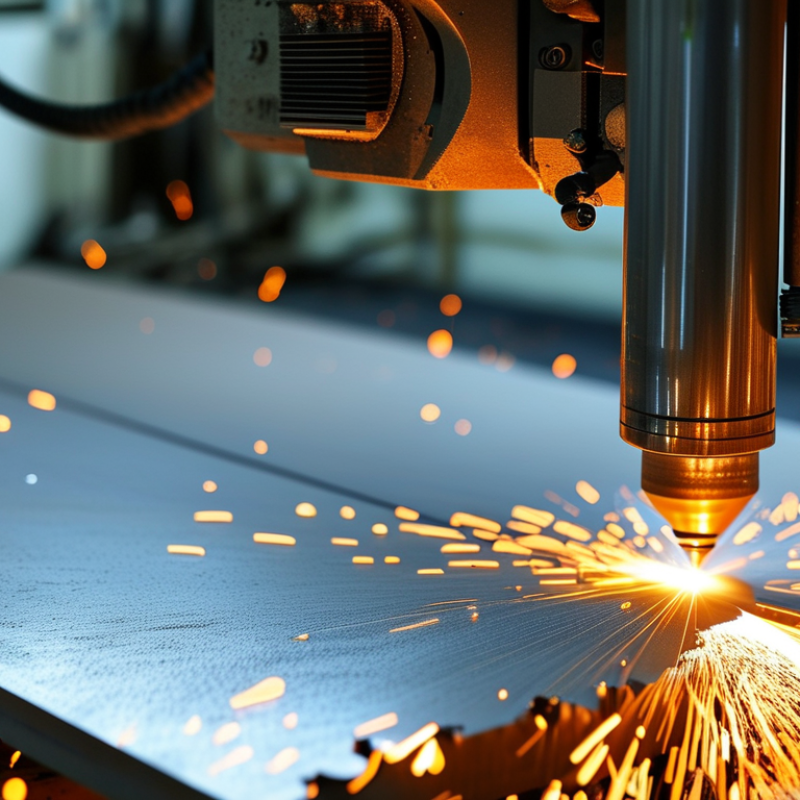
Metal plate cutting is essential for many industries. Different techniques cater to diverse needs. Understanding these methods helps buyers choose the right process. Each technique has its advantages, limitations, and applications.
Laser cutting is one of the most precise methods. It uses high-energy laser beams to cut through metal with incredible accuracy. This technique is ideal for intricate designs but may not be cost-effective for thicker plates. Plasma cutting is another popular method. It employs a high-velocity jet of ionized gas. While it is faster than laser cutting, the edges may require additional finishing.
Waterjet cutting uses high-pressure water mixed with abrasive materials. This method is effective for cutting various metals without thermal distortion. However, it can be slower than other techniques. Each method presents a trade-off between speed, accuracy, and cost. Buyers should consider the specific needs of their projects and the inherent flaws in each process.
| Technique | Description | Material Compatibility | Advantages | Limitations |
|---|---|---|---|---|
| Laser Cutting | Utilizes a high-powered laser beam to cut through metal. | Steel, Aluminum, Copper | High precision, minimal waste. | Limited thickness cutting. |
| Plasma Cutting | Employs ionized gas to cut through metal. | Steel, Stainless Steel, Aluminum | Fast cutting speed, good for thicker materials. | Less precision than laser cutting. |
| Water Jet Cutting | Uses high-pressure water mixed with abrasive materials. | All metals, Stone, Glass, Plastic | No heat-affected zone, versatile. | Slower than laser/plasma cutting. |
| Oxy-Fuel Cutting | Combines oxygen with fuel gas to cut metal. | Steel and Metals with lower melting points | Inexpensive equipment, effective for thick materials. | Requires preheating, less precision. |
| Band Saw Cutting | Uses a serrated band to cut metal. | All types of metals | Good for intricate cuts, versatile. | Slower compared to other methods. |
| Shearing | Uses a sharp blade to cut metal sheets. | Thin metal sheets | Rapid cutting, minimal distortions. | Not suitable for thick materials. |
| Nibbling | Creates small notches which eventually lead to cutting. | Thin sheets of metal | Intricate cuts, good for small parts. | Time-consuming for large cuts. |
| Chopping | Uses a powerful mechanical blade to chop metal. | Ferrous and non-ferrous metals | Suitable for bulk material removal. | Limited precision on cutting edges. |
| Die Cutting | Uses a die to cut metal in large quantities. | Various metals in sheet form | Efficient for mass production. | High initial setup cost, not suitable for small runs. |
Choosing the right metal plate cutting technique is critical for optimal results. Factors like material thickness, type of metal, and production volume play significant roles. Different techniques yield different results in terms of precision and efficiency. Understanding these nuances is essential for making an informed decision.
One must also consider the cost-effectiveness of each method. Laser cutting offers high precision but can be expensive. Plasma cutting, on the other hand, is usually more affordable, especially for thicker materials but may lack fine detail. Balancing quality and budget requires careful thought.
Engaging with skilled professionals can provide valuable insights. Their experience can guide you in selecting the best method based on your unique needs. Don’t hesitate to seek advice. It’s crucial to evaluate both expert opinions and real-world applications to make an informed choice. Mistakes can be costly; learning from them is part of the process.
When comparing mechanical and thermal cutting methods for metal plates, each technique has its unique strengths and limitations. Mechanical cutting includes methods like shearing and sawing. These techniques provide high precision and are often used for thicker materials. However, they may not be efficient for complex shapes. On the other hand, thermal cutting methods, such as plasma and laser cutting, excel in speed and flexibility. They can easily handle intricate designs but may introduce heat-affected zones that require further treatment.
Tips: Consider the material thickness and type when choosing a cutting method. The right technique can save time and reduce wastage. Ensure that your equipment is suitable for the specific job to achieve the best results.
Choosing the appropriate cutting method depends on project requirements. Mechanical methods generally offer a clean finish. Yet, they may lead to tool wear faster than expected. Thermal methods can produce excellent designs but might create distortions or rough edges. Balancing precision and speed is essential for optimal outcomes.
In recent years, metal plate cutting technologies have seen significant advancements. Techniques such as laser cutting, plasma cutting, and waterjet cutting are reshaping the industry. A report from MarketsandMarkets indicates that the global metal cutting machine market is projected to reach $10 billion by 2026, demonstrating the rapid growth in this sector. The efficiency of these innovations minimizes waste and increases precision, catering to the demands of various industries.
Laser cutting remains a popular choice. It delivers clean edges and fine details, making it ideal for intricate designs. However, the initial investment can be high.
Plasma cutting offers speed and versatility but may produce rough edges, requiring additional finishing. Waterjet cutting is praised for its ability to handle thick materials without altering their properties. Yet, it often comes with higher operational costs.
Data from Global Industry Analysts shows that automation in cutting technologies is also on the rise. Automated systems improve accuracy and reduce labor costs. However, companies must consider the balance between automation and the skilled labor force. Adapting to new technologies can pose a challenge, especially for smaller manufacturers. As innovations continue, ongoing training will be essential to stay competitive and ensure quality standards.
When it comes to metal plate cutting, safety is paramount. The industry has seen a rise in awareness regarding safety measures, especially given that nearly 40% of workplace injuries are linked to cutting operations. Utilizing proper cutting techniques reduces risks significantly. Proper training for operators is vital, ensuring they understand the machines and tools. Regular safety audits help identify potential hazards.
Tips: Always wear personal protective equipment (PPE). This includes safety goggles, gloves, and steel-toed boots. Familiarize yourself with the equipment before use. Regular maintenance of cutting tools can prevent accidents.
In terms of specifics, operators should be trained in proper machine handling techniques. Misuse of cutting tools can lead to severe injuries. According to industry reports, improper training can increase accident rates by nearly 50%. It’s essential to establish a culture of safety in work environments to minimize risks. This dedication to safety can protect not only workers but also operational integrity.
„Thanks to the LUVIR technology, the solder resist process could be switched directly from the previously used mask exposure to direct exposure. As an outstanding digital solution on the market, this technology has been able to demonstrate fast process times and superior quality on our certified conventional ink in production. This allowed us to fully digitize the solder mask process at low cost – without process or ink adjustments. An excellent benefit to our production in Rot am See.“
Ralf Göhringer (Head of Production WE Rot am See)
I would definitely recommend the Limata machine and team for a future company purchase
Michael Greenaway
Compunetics Inc.
“The Limata ldi has been amazing!! Best thing we did was buy this machine”
Richard Brady
GM
Circuitlabs
“Since 2019, we have been running the Limata X1000 LDI system (including LUVIR for solder mask imaging) in daily production as an addition to our current process with film. The machine was capable of properly exposing Taiyo PSR-4000 BN (DI) solder mask types on normal to high-copper boards using a new and unique direct imaging process. The machine operating interface is very user friendly which allowed for a quick technical training curve. The pre-registration processing reduced several seconds of production time at every print. Limata support and service staff is incomparable. They supported our team every step of the way at basically any time of the day or night, with literally, an immediate response time, customizing the software interface to best fit our Operations and needs.
We have exposed more than 8,000 prints since end of October, on various solder mask colors and some resist film panels. Limata, has proven to be very capable and innovative. They are a strong contender in the industry.
We have very much enjoyed this project, and working with the team!
Thank you Limata for the continued support and being a part of our growth.”
Bill Sezate
Vice President, GM
Summit Interconnect
As a replacement to our current contact exposure process with film, the LIMATA X2000 system including LUVIR-Technology was capable of properly exposing non-LDI solder mask types using a direct imaging process. The machine offers cutting edge software with a very intuitive operating interface which allowed for quick technician training curve. The dual drawer system combined with pre-registration processing reduced several seconds of production time at every machine cycle. Limata support and service staff is world class. They added software patches to keep production running at shortest possible response times, customized the software interface to best fit our in-house Operations system, and even wrote a step-by-step machine processing manual. As a result of the project, we have exposed more than 16,000 times on various product types and solder mask brands/colors. Limata, in a very short timeframe as a company, has definitely shown they are truly innovative and will be challenging the industry of direct imaging for the top spot.
Kevin Beattie
Process Engineer
TTM Technologies
Forest Grove Division
