In recent years, the demand for Sheet Metal Prototyping has surged in various industries, from automotive to electronics. This growing interest highlights the importance of finding quality manufacturers. China, known for its robust manufacturing sector, offers a plethora of options. However, choosing the right company can be challenging.
Despite many companies advertised as experts, not all deliver the expected results. Some may lack the necessary expertise or reliable equipment. It's crucial to weigh quality against cost. Buyers often face difficulties in navigating this complex landscape.
This guide aims to explore the top 10 Sheet Metal Prototyping companies in China. Each company brings unique strengths. We will delve into their capabilities and specialties. This will help you make informed decisions in your prototyping journey.
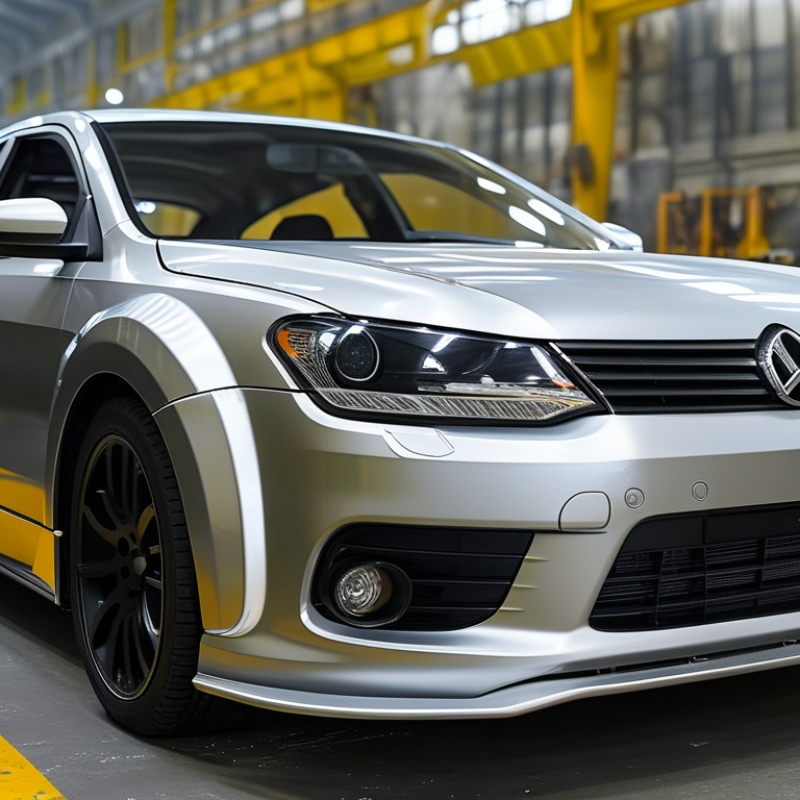
Sheet metal prototyping in China has seen remarkable growth in recent years. This development is largely driven by advancements in technology and manufacturing processes. Engineers can quickly produce prototypes with high precision, responding to design changes swiftly. The efficiency of CNC machining and laser cutting techniques plays a crucial role in this process, ensuring faster turnaround times for projects.
However, challenges remain. Not all companies maintain consistent quality standards. Variability in production capabilities can impact project outcomes. Additionally, communication barriers sometimes hinder collaboration between international clients and local manufacturers. Companies must focus on building trust and understanding the specific needs of their clients. This reflection can help improve the overall experience of sheet metal prototyping in the region.
Quality control remains essential. Some manufacturers prioritize speed over precision, which can lead to issues in final products. It’s vital for clients to conduct thorough research before selecting a prototyping partner. A manufacturer with strong credentials may not guarantee the best results for every project. This need for careful consideration encourages industry players to enhance their practices and establish a more reliable prototyping ecosystem.
When selecting a sheet metal prototyping company in China, key criteria should guide your decision-making. Quality assurance is paramount. Many companies adhere to international standards like ISO 9001. A report from the International Organization for Standardization highlights a strong correlation between certification and defect rates. Certified companies tend to demonstrate lower failures in product quality.
Consider also the company's experience in your specific industry. Firms with years in the field often provide insights that newer companies may lack. A study by Deloitte shows that firms with over ten years of experience have a 30% higher success rate in project delivery.
Additionally, evaluate their technological capabilities. The implementation of modern manufacturing techniques can drastically affect lead times and overall project cost.
Communication is another essential factor. A company that encourages open dialogue can help you avoid misunderstandings. Frequent updates can save time. However, not all companies will meet expectations in this area. Some may lack transparency or fail to respond promptly, which can complicate the prototyping process. Weigh these qualities against each other, as a perfect match might not exist. Finding a balance that meets your needs is crucial.
In recent years, sheet metal prototyping has seen significant growth in China. The market has expanded due to rising demands in various industries. According to a report by ResearchAndMarkets, the sheet metal fabrication sector in China is projected to grow at a CAGR of 6.5% through 2025. This increase highlights the need for skilled companies that specialize in this area.
Many companies focus on advanced techniques in sheet metal prototyping. Innovative technologies such as laser cutting and CNC machining enhance precision. These methods ensure high-quality prototypes. However, some firms still struggle with consistency in quality. This inconsistency can result in costly errors during mass production.
Moreover, skilled labor remains a challenge. The demand for experienced workers in the sheet metal industry continues to rise. According to the China Metal and Nonmetal Mining Industry Association, over 30% of firms face difficulties in hiring qualified professionals. This gap may hinder the overall growth of the industry. Addressing these issues is crucial for the continued success of sheet metal prototyping companies in the region.
The landscape of metal prototyping in China is rapidly evolving. Innovative technologies play a pivotal role in this transformation. Additive manufacturing, particularly metal 3D printing, has gained momentum in recent years. According to a report by SmarTech Analysis, the metal 3D printing market is expected to reach $7 billion by 2026. This growth highlights the increasing reliance on advanced manufacturing techniques.
Laser cutting and CNC machining also drive efficiency in metal prototyping. These methods allow for precision and high repeatability, crucial for complex designs. Data from Mordor Intelligence indicates that China's CNC machining market will grow by 14% annually until 2025. However, challenges remain. The adaptation of these technologies often faces hurdles, such as a skills gap in the workforce. Companies must invest in training and development to keep pace with technological advancements.
Moreover, the integration of IoT and AI in metal prototyping is becoming more prominent. These technologies enhance the production process through real-time monitoring and predictive maintenance. Industry insiders acknowledge that while these advancements improve efficiency, they also introduce a learning curve. The balance between innovation and skill development is critical for sustained success in the sector.
| Company Type | Technologies Used | Materials Offered | Lead Time (Days) | Industry Focus |
|---|---|---|---|---|
| Automotive | Laser Cutting, CNC Machining | Aluminum, Steel, Stainless Steel | 15 | Automotive Components |
| Aerospace | 3D Printing, Waterjet Cutting | Titanium, Aluminum Alloys | 30 | Aerospace Parts |
| Electronics | Punching, Bending | Copper, Steel | 10 | Electronic Enclosures |
| Industrial Machinery | Forming, Welding | Carbon Steel, Stainless Steel | 20 | Machinery Parts |
| Consumer Products | Stamping, Casting | Aluminum, Zinc | 12 | Home Appliances |
| Medical Equipment | Laser Engraving, CNC | Stainless Steel, Plastics | 18 | Medical Devices |
| Renewable Energy | Bending, Welding | Aluminum, Steel | 25 | Solar Panels |
| Telecommunications | Laser Cutting, Assembly | Copper, Steel | 14 | Telecom Equipment |
| Construction | CNC Plasma Cutting, Forming | Steel, Aluminum | 22 | Construction Materials |
| Defense | CNC Machining, Powder Coating | Aluminum, Steel | 35 | Defense Equipment |
The sheet metal prototyping industry in China is rapidly evolving, responding to technological advancements and market demands. Companies are increasingly adopting digital tools, which enhance precision and efficiency. For instance, 3D printing and laser cutting technologies allow faster prototype development. This transition not only reduces costs but also shortens lead times. However, some traditional methods still linger, as they hold certain advantages in specific scenarios.
Sustainability is becoming a vital trend in this sector. Many manufacturers are now prioritizing eco-friendly materials and practices. Reducing waste and energy consumption is essential for remaining competitive. Yet, not all companies have embraced this shift. Challenges exist in changing long-standing practices, leading to discrepancies in industry standards. The future may require firms to balance innovation with sustainable practices.
The workforce must also adapt to these trends. Skilled labor is essential for utilizing advanced technologies effectively. Training programs are being developed to bridge the skills gap. Yet, there are still concerns about attracting young talent to the industry. Addressing this issue is crucial for maintaining a competitive edge in the global market.
„Thanks to the LUVIR technology, the solder resist process could be switched directly from the previously used mask exposure to direct exposure. As an outstanding digital solution on the market, this technology has been able to demonstrate fast process times and superior quality on our certified conventional ink in production. This allowed us to fully digitize the solder mask process at low cost – without process or ink adjustments. An excellent benefit to our production in Rot am See.“
Ralf Göhringer (Head of Production WE Rot am See)
I would definitely recommend the Limata machine and team for a future company purchase
Michael Greenaway
Compunetics Inc.
“The Limata ldi has been amazing!! Best thing we did was buy this machine”
Richard Brady
GM
Circuitlabs
“Since 2019, we have been running the Limata X1000 LDI system (including LUVIR for solder mask imaging) in daily production as an addition to our current process with film. The machine was capable of properly exposing Taiyo PSR-4000 BN (DI) solder mask types on normal to high-copper boards using a new and unique direct imaging process. The machine operating interface is very user friendly which allowed for a quick technical training curve. The pre-registration processing reduced several seconds of production time at every print. Limata support and service staff is incomparable. They supported our team every step of the way at basically any time of the day or night, with literally, an immediate response time, customizing the software interface to best fit our Operations and needs.
We have exposed more than 8,000 prints since end of October, on various solder mask colors and some resist film panels. Limata, has proven to be very capable and innovative. They are a strong contender in the industry.
We have very much enjoyed this project, and working with the team!
Thank you Limata for the continued support and being a part of our growth.”
Bill Sezate
Vice President, GM
Summit Interconnect
As a replacement to our current contact exposure process with film, the LIMATA X2000 system including LUVIR-Technology was capable of properly exposing non-LDI solder mask types using a direct imaging process. The machine offers cutting edge software with a very intuitive operating interface which allowed for quick technician training curve. The dual drawer system combined with pre-registration processing reduced several seconds of production time at every machine cycle. Limata support and service staff is world class. They added software patches to keep production running at shortest possible response times, customized the software interface to best fit our in-house Operations system, and even wrote a step-by-step machine processing manual. As a result of the project, we have exposed more than 16,000 times on various product types and solder mask brands/colors. Limata, in a very short timeframe as a company, has definitely shown they are truly innovative and will be challenging the industry of direct imaging for the top spot.
Kevin Beattie
Process Engineer
TTM Technologies
Forest Grove Division
