In our modern world, the reliability of electrical systems is paramount. Surge Arrester Devices play a critical role in protecting sensitive electronics from power surges. According to Dr. Emily Carter, a leading expert in electrical engineering, “The right surge arrester can prevent catastrophic failures in your systems.” This highlights the importance of selecting the best devices for proper protection.
Power surges can occur from various sources, including lightning strikes and equipment malfunctions. These surges can damage or destroy electronic devices. Investing in high-quality Surge Arrester Devices not only safeguards your equipment but ensures longevity and stability in your systems. However, not all devices provide the same level of protection.
The market offers numerous options, making the right selection challenging. Users often struggle to balance cost and reliability. There are devices that may appear beneficial but fail under specific conditions. It's critical to evaluate each option with careful consideration of your unique needs and the environment. Understanding the nuances of Surge Arrester Devices can lead to more informed decisions.
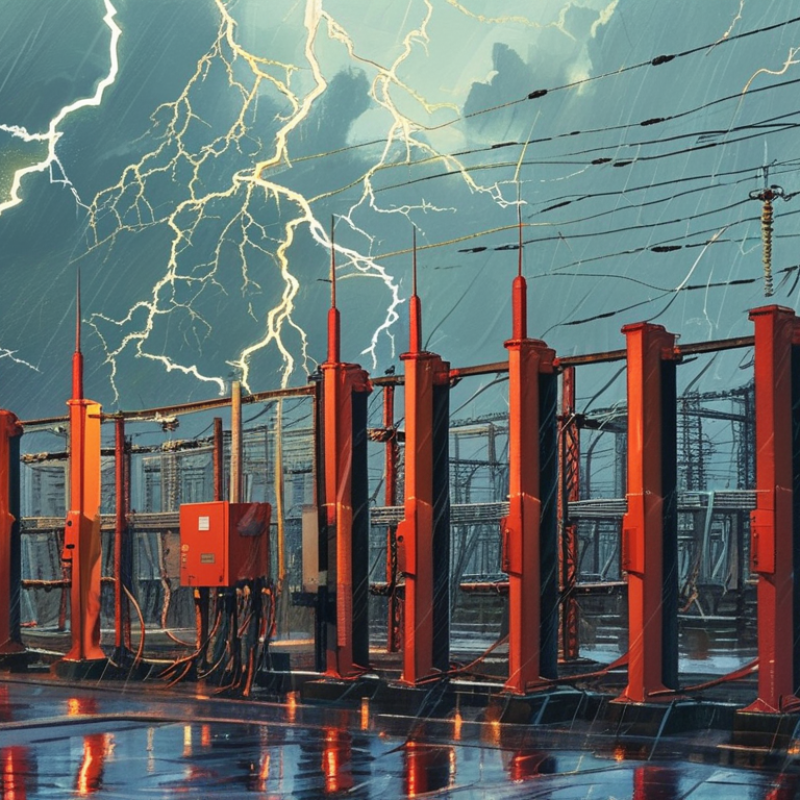
Surge arresters are essential devices designed to protect electrical systems from voltage spikes. These spikes can occur due to lightning strikes, power outages, or sudden changes in electricity demand. When an electrical circuit experiences excessive voltage, a surge arrester diverts the extra energy away from sensitive equipment. This helps preserve the integrity of devices such as computers, televisions, and industrial machinery.
Understanding how surge arresters work is crucial for effective protection. They typically consist of metal oxide varistors or gas discharge tubes. When voltage surges occur, these components activate, providing a low-resistance path. This action prevents the excess voltage from reaching connected appliances, ensuring they operate safely. It’s a straightforward mechanism, yet not all devices provide the same level of protection.
Some might overlook the importance of regular checks on these devices. Like any protective equipment, surge arresters can degrade over time. Their effectiveness diminishes, making routine inspections necessary. Choosing the right type for specific systems can also be challenging. There is a need for thorough research, especially considering different environments and electrical loads.
This chart displays the average response time (in milliseconds) and the maximum voltage protection level (in kV) of the top 10 surge arrester devices. A shorter response time and higher voltage protection indicate better performance for safeguarding your equipment against transient surges.
When selecting high-quality surge arrester devices, several key features are essential to ensure effective protection.
First, look for devices with a high surge current rating. This rating indicates the device's ability to handle surges without failure. A higher rating often means better protection for sensitive electronics.
Also, make sure to check the response time. A quick response can significantly reduce the risk of damage during a surge.
Another important feature is the clamping voltage. This is the maximum voltage that the surge arrester allows to pass through before it acts. Ideally, you want a device with a low clamping voltage. This ensures that your equipment is shielded from voltage spikes.
Consider the construction quality as well. Durable materials increase the longevity and reliability of the device, which is crucial for long-term use.
Pay attention to the certification marks on the device. Certifications from recognized authorities indicate a level of reliability. Some manufacturers may provide warranties, which can reflect their confidence in the product's longevity. However, not all claims are equal. It’s useful to do your research and read reviews from other users. Their experiences can help in making a more informed decision.
Surge protectors are essential for safeguarding residential electronics. Data from the Electrical Safety Foundation International (ESFI) shows that surge-related incidents cause millions in property damage annually. These devices absorb excess voltage caused by lightning or power surges. Proper use can prevent costly repairs or replacements of household electronics.
When choosing a surge arrester, consider its voltage rating and energy absorption capacity. A device with a high energy rating can handle significant spikes. According to the National Electrical Manufacturers Association (NEMA), residential protection should start with a whole-house surge protector, followed by point-of-use devices for sensitive equipment.
It’s important to regularly assess your surge protection setup. Check for wear and tear on individual protectors, as their efficacy diminishes over time. Some homeowners may overlook this maintenance, which can lead to vulnerabilities. Regular check-ups can ensure that all devices are functioning well and provide necessary protection when it matters most.
Surge arresters are essential for commercial and industrial applications. They protect equipment from voltage spikes caused by lightning or switching events. A study by the Electric Power Research Institute indicates that improper surge protection can lead to significant equipment damage, with repair costs ranging from thousands to millions of dollars.
For optimal protection, choosing the right surge arrester involves understanding your specific needs. It's crucial to consider the transient overvoltage levels that your facility may experience. The Institute of Electrical and Electronics Engineers recommends devices that can handle at least 20kA of surge current for most industrial settings. Equipment uptime is critical; thus, investing in reliable surge protection becomes a smart business move.
However, not all surge arresters are created equal. Some devices may not provide the necessary response time during a surge event. According to recent data, up to 30% of surge protection devices fail under high-stress conditions. This highlights the importance of regular testing and maintenance. Operators must remain diligent in their assessments to ensure equipment remains protected effectively.
Surge arresters play a crucial role in protecting your electrical systems from voltage spikes. Understanding installation and maintenance is essential to ensure their effectiveness. According to industry reports, improper installation can lead to a 30% increase in device failure rates. Accuracy in placement and connections is vital for optimal performance.
When installing surge arresters, ensure they are close to the devices they protect. This reduces the risk of surge damage significantly. Consider using proper grounding techniques, as a poor ground can render the arrester ineffective. Regularly inspect connections for signs of wear. Corroded or loose connections can lead to serious issues.
Maintenance is equally important. Regularly check the device's indicators, if available. Some surge arresters have visual cues for their operational status. Evaluate your system annually to identify any signs of degradation. Industry experts stress the importance of documentation during inspections. Keeping track of servicing dates can help avoid unforeseen failures.
„Thanks to the LUVIR technology, the solder resist process could be switched directly from the previously used mask exposure to direct exposure. As an outstanding digital solution on the market, this technology has been able to demonstrate fast process times and superior quality on our certified conventional ink in production. This allowed us to fully digitize the solder mask process at low cost – without process or ink adjustments. An excellent benefit to our production in Rot am See.“
Ralf Göhringer (Head of Production WE Rot am See)
I would definitely recommend the Limata machine and team for a future company purchase
Michael Greenaway
Compunetics Inc.
“The Limata ldi has been amazing!! Best thing we did was buy this machine”
Richard Brady
GM
Circuitlabs
“Since 2019, we have been running the Limata X1000 LDI system (including LUVIR for solder mask imaging) in daily production as an addition to our current process with film. The machine was capable of properly exposing Taiyo PSR-4000 BN (DI) solder mask types on normal to high-copper boards using a new and unique direct imaging process. The machine operating interface is very user friendly which allowed for a quick technical training curve. The pre-registration processing reduced several seconds of production time at every print. Limata support and service staff is incomparable. They supported our team every step of the way at basically any time of the day or night, with literally, an immediate response time, customizing the software interface to best fit our Operations and needs.
We have exposed more than 8,000 prints since end of October, on various solder mask colors and some resist film panels. Limata, has proven to be very capable and innovative. They are a strong contender in the industry.
We have very much enjoyed this project, and working with the team!
Thank you Limata for the continued support and being a part of our growth.”
Bill Sezate
Vice President, GM
Summit Interconnect
As a replacement to our current contact exposure process with film, the LIMATA X2000 system including LUVIR-Technology was capable of properly exposing non-LDI solder mask types using a direct imaging process. The machine offers cutting edge software with a very intuitive operating interface which allowed for quick technician training curve. The dual drawer system combined with pre-registration processing reduced several seconds of production time at every machine cycle. Limata support and service staff is world class. They added software patches to keep production running at shortest possible response times, customized the software interface to best fit our in-house Operations system, and even wrote a step-by-step machine processing manual. As a result of the project, we have exposed more than 16,000 times on various product types and solder mask brands/colors. Limata, in a very short timeframe as a company, has definitely shown they are truly innovative and will be challenging the industry of direct imaging for the top spot.
Kevin Beattie
Process Engineer
TTM Technologies
Forest Grove Division
