In today’s fast-paced printing industry, choosing an effective Print Inspection System is crucial. With increasing demands for quality and efficiency, the right system can make a significant difference. Selecting the best solution, however, is not a straightforward task. There are multiple factors to consider.
Various technologies exist within the realm of print inspection. Some systems excel in detecting color variations, while others focus on structural integrity. Understanding your specific requirements is vital to making an informed choice. Ignoring this may lead to inadequate performance or costly mistakes. Engaging with experts can provide deeper insights into each option.
Remember, a Print Inspection System should not just meet your current needs but also adapt to future challenges. It’s about balancing technology with usability. A reliable system minimizes errors, but it must be user-friendly too. Continuously reflect on your choices to ensure they align with your business goals. Analyzing past experiences with inspection systems will offer guidance in your decision-making process.
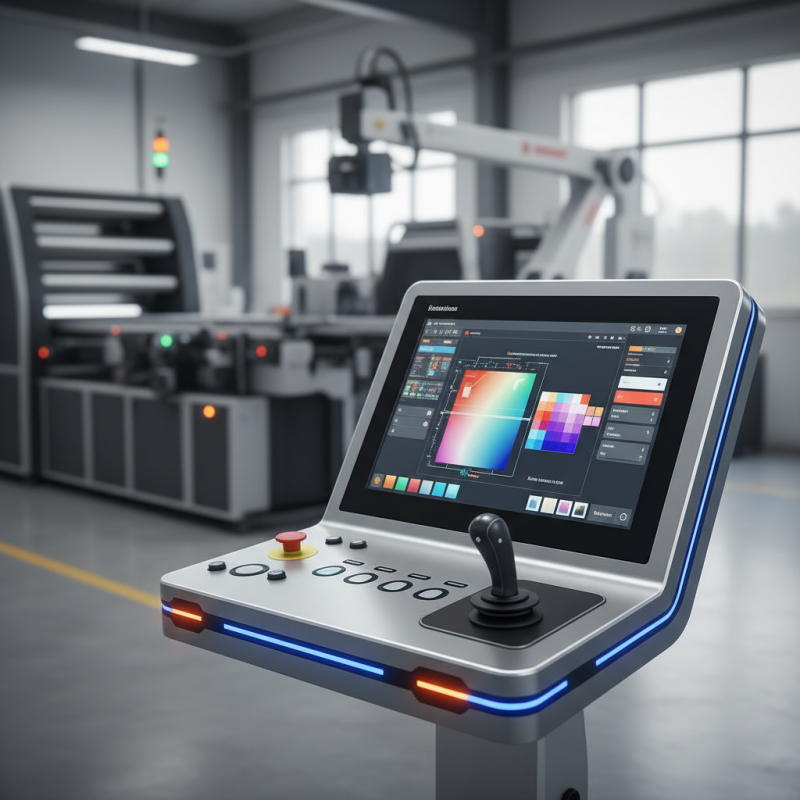
Print inspection systems play a vital role in maintaining quality in various industries. These systems help detect flaws in printed materials, ensuring that businesses uphold their standards. A reliable inspection system can significantly reduce waste and enhance overall efficiency.
When selecting a print inspection system, begin by assessing your specific needs. Consider the types of print materials you work with. Many businesses overlook the importance of compatibility with their existing equipment. It’s essential to choose a system that can integrate seamlessly.
Also, evaluate the technology used in these systems. Some might require advanced features like real-time monitoring or dimensional checks. Ensure the system can handle your production speed effectively. This aspect helps prevent bottlenecks and enhances productivity. A good inspection system should also have user-friendly software. Intuitive interfaces save time and reduce errors during operations.
When choosing a print inspection system, focus on key features that ensure accuracy and reliability. High-resolution cameras are crucial for capturing detailed images of printed materials. These cameras detect even the smallest defects, such as misalignments or color variations. Speed is also a significant factor. A system that processes images quickly can keep production lines moving efficiently.
Look for systems that utilize advanced algorithms. These can analyze print quality in real time. This capability minimizes errors before products reach the consumer. A user-friendly interface matters too. Operators must be able to navigate the system with ease, reducing training time. Flexibility is key; the system should adapt to various materials and print technologies.
Consider the system's integration with existing workflows. Compatibility ensures a seamless transition and reduces installation headaches. Regular maintenance is essential, as even the best systems require attention. This helps sustain performance and prevents unexpected downtimes. Inspection systems should provide clear reports, allowing teams to track trends and make informed decisions. Remember, a thoughtful approach to these features will enhance overall print quality and operational efficiency.
This chart illustrates the key features to consider in print inspection systems, along with their importance ratings on a scale from 1 to 10 where 10 indicates utmost importance.
When selecting a print inspection system, understanding the technology behind it is crucial. A robust system will typically utilize advanced imaging techniques and artificial intelligence. These technologies work together to detect even the smallest defects. Therefore, evaluating these components is essential to ensure the reliability of the solution.
Different systems offer various sensing technologies, such as cameras and laser scanners. Each has its strengths and weaknesses. For instance, camera-based systems excel in color detection, while laser scanners are great for dimensional accuracy. However, both may require extensive calibration and maintenance. This variability can raise questions about the reliability of the solutions.
Moreover, the processing speed of the technology cannot be overlooked. A slow inspection system may lead to production delays. Yet, a system that works too fast might compromise on quality. Regular performance evaluations are necessary to ensure that the system meets your production needs. Thus, careful consideration of these elements is vital for ensuring optimal performance.
When considering a print inspection system, user-friendliness is critical. A user-friendly interface can significantly reduce training time for operators. Research shows that a system with clear navigation can lead to a 30% increase in productivity. Operators are likely to perform better when they can easily access necessary functions. Complex interfaces may lead to frustration and increased errors.
Integration capabilities are equally important. A print inspection system should seamlessly integrate with existing workflows. According to a 2022 industry report, companies that prioritize integration see a 25% reduction in downtime. Data sharing between machinery can streamline operations and improve quality assurance. Lack of compatibility can result in increased troubleshooting and delays.
The decision-making process requires careful consideration. Ask about the system’s adaptability to future technologies. Systems without scalability may limit growth and innovation. Investing in flexible solutions could pay off in the long run. Balancing usability and integration can be challenging but is necessary for ensuring operational success.
| Criteria | Importance Level (1-5) | User-Friendliness Score (1-10) | Integration Capabilities (Yes/No) |
|---|---|---|---|
| Ease of Use | 5 | 9 | Yes |
| Technical Support | 4 | 8 | Yes |
| Compatibility with Existing Systems | 5 | 7 | Yes |
| Customization Options | 3 | 6 | No |
| Scalability | 4 | 8 | Yes |
Choosing the right print inspection system involves careful budgeting. Understanding the costs and values associated with these systems is crucial. It’s tempting to cut corners to save money, but this can lead to greater losses. A low-priced system might not deliver the quality you expect. Weigh the features against your needs.
Consider the long-term impact of your investment. Systems that seem expensive initially may provide better reliability and less downtime. Think about maintenance costs as well. An affordable system might have hidden expenses that inflate its total cost. Ask for detailed pricing breakdowns.
Look at industry standards to guide your choices. Just because a system has a lower price doesn't mean it’s suitable for your needs. Evaluate reviews from users. Their experiences can highlight both strengths and weaknesses. Take time to reflect on what features truly add value. Balancing cost with functionality will lead to a more informed decision.
„Thanks to the LUVIR technology, the solder resist process could be switched directly from the previously used mask exposure to direct exposure. As an outstanding digital solution on the market, this technology has been able to demonstrate fast process times and superior quality on our certified conventional ink in production. This allowed us to fully digitize the solder mask process at low cost – without process or ink adjustments. An excellent benefit to our production in Rot am See.“
Ralf Göhringer (Head of Production WE Rot am See)
I would definitely recommend the Limata machine and team for a future company purchase
Michael Greenaway
Compunetics Inc.
“The Limata ldi has been amazing!! Best thing we did was buy this machine”
Richard Brady
GM
Circuitlabs
“Since 2019, we have been running the Limata X1000 LDI system (including LUVIR for solder mask imaging) in daily production as an addition to our current process with film. The machine was capable of properly exposing Taiyo PSR-4000 BN (DI) solder mask types on normal to high-copper boards using a new and unique direct imaging process. The machine operating interface is very user friendly which allowed for a quick technical training curve. The pre-registration processing reduced several seconds of production time at every print. Limata support and service staff is incomparable. They supported our team every step of the way at basically any time of the day or night, with literally, an immediate response time, customizing the software interface to best fit our Operations and needs.
We have exposed more than 8,000 prints since end of October, on various solder mask colors and some resist film panels. Limata, has proven to be very capable and innovative. They are a strong contender in the industry.
We have very much enjoyed this project, and working with the team!
Thank you Limata for the continued support and being a part of our growth.”
Bill Sezate
Vice President, GM
Summit Interconnect
As a replacement to our current contact exposure process with film, the LIMATA X2000 system including LUVIR-Technology was capable of properly exposing non-LDI solder mask types using a direct imaging process. The machine offers cutting edge software with a very intuitive operating interface which allowed for quick technician training curve. The dual drawer system combined with pre-registration processing reduced several seconds of production time at every machine cycle. Limata support and service staff is world class. They added software patches to keep production running at shortest possible response times, customized the software interface to best fit our in-house Operations system, and even wrote a step-by-step machine processing manual. As a result of the project, we have exposed more than 16,000 times on various product types and solder mask brands/colors. Limata, in a very short timeframe as a company, has definitely shown they are truly innovative and will be challenging the industry of direct imaging for the top spot.
Kevin Beattie
Process Engineer
TTM Technologies
Forest Grove Division
