The global market for Transformer Winding Machines has seen robust growth in recent years. According to a recent report by MarketsandMarkets, the industry is expected to expand at a compound annual growth rate (CAGR) of over 5% by 2025. This growth is driven by rising demand for efficient electrical equipment in the renewable energy sector. Significant advancements in winding technology are also contributing to the increase.
Expert insights from Dr. Michael Chen, a leading authority in electrical engineering, emphasize the importance of modern transformer winding techniques. He stated, "The accuracy and efficiency of Transformer Winding Machines directly impact overall device performance." This underscores the need for buyers to invest in high-quality machines that enhance production capabilities.
While the market is evolving, challenges persist. Many manufacturers struggle with outdated equipment, which hinders their competitiveness. It's crucial for buyers to evaluate machine specifications carefully. Investing in innovative Transformer Winding Machines can be the pivotal factor in ensuring operational success. This makes understanding the available options more important than ever.
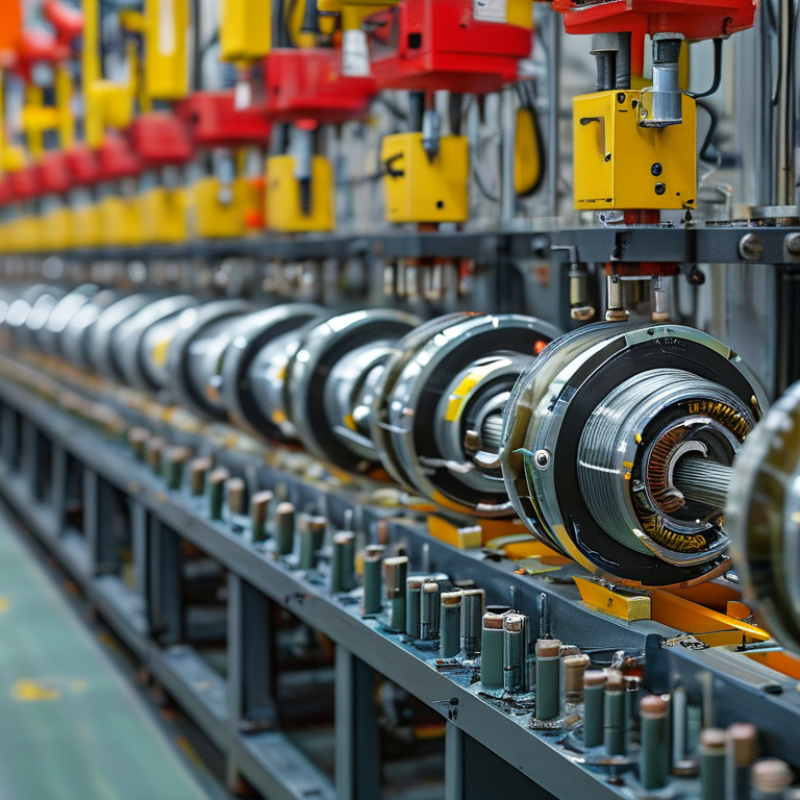
Transformer winding machines play a crucial role in manufacturing transformers, which are essential in power distribution. These machines ensure the precise winding of wire around the core, maintaining efficiency and functionality. According to a recent report by MarketsandMarkets, the global transformer market is projected to reach $100 billion by 2027, reflecting the growing need for reliable and efficient power systems worldwide.
The importance of transformer winding machines is evident in the reliability of energy systems. A well-wound transformer reduces losses and enhances performance. However, the accuracy of these machines often falls short in real-world applications. Poor winding can lead to increased heat generation and reduced operational life. A significant portion of industry professionals, around 40%, cite winding errors as a major concern.
Additionally, the technology behind these machines is evolving. Automation is becoming increasingly prevalent. This shift improves precision but also introduces challenges. Many manufacturers must adapt to new technologies and training needs. Ensuring that operators are effectively trained is vital. As the industry grows, addressing these gaps is imperative for enhancing production efficiency.
Modern transformer winding machines are essential for efficient power transformer production. These machines integrate various advanced technologies, ensuring precision and reliability. One key feature is the automatic wire tension control. This feature minimizes wire damage and optimizes the winding process, enhancing overall output quality.
Moreover, intelligent software systems are increasingly common. They enable operators to monitor the winding process in real-time. This helps in early detection of potential issues, reducing downtime. Additionally, many machines offer customizable winding parameters. This flexibility allows for adjustments based on specific project requirements, catering to a diverse range of applications.
However, not all machines deliver consistent performance. Some may struggle with complex winding geometries, leading to inefficiencies. Manufacturers need to invest in training for machine operators. This ensures they utilize the technology effectively. Regular maintenance is also crucial. It can prevent unexpected breakdowns, which affect production timelines. Companies should be aware of these challenges as they consider improvements in their winding processes.
Transformer winding machines are crucial in the production of transformers. These machines ensure precision and efficiency, vital for meeting the demands of the energy sector. According to a 2023 industry report by ResearchAndMarkets, the global transformer winding machine market is projected to grow at a CAGR of 6.5% through 2027. This growth indicates a rising need for reliable and innovative winding solutions.
Leading manufacturers in this field are focusing on technological advancements. Automation and digitalization play significant roles in enhancing machine performance. Data from GlobalData highlights that manufacturers integrating IoT technology see improvements in operational efficiency. However, companies often struggle with the integration process, leading to potential lapses in productivity.
Quality assurance remains a top priority but is not without challenges. Many companies report inconsistencies in material quality affects winding precision. This issue can result in increased waste and production delays. Continuous training and development of expertise are essential yet often overlooked in the push for automation. Addressing these gaps is critical for sustained growth in the transformer winding equipment sector.
The transformer winding machine market is evolving rapidly in 2023. According to a recent industry report, the global market is expected to reach approximately $2.5 billion by the end of the year. This growth highlights the rising demand for energy-efficient transformers. Manufacturers focus on automation and advanced technology for winding processes. The push for sustainable energy solutions drives innovation in machine design and functionality.
In 2023, another significant trend is the adoption of Industry 4.0 principles. These principles emphasize connectivity and smart technology integration. The global market shows a 15% increase in demand for machines equipped with IoT capabilities. However, not all manufacturers can keep pace with these advancements. Some still rely on outdated systems, which limits their competitiveness.
As companies look for reliable machines, quality becomes crucial. Data indicates that 70% of buyers prioritize durability and efficiency. Yet, there is a noticeable gap. Many machines fall short of long-term performance expectations, leading to higher replacement costs. It raises the question: are the existing quality control measures sufficient? Understanding these shifts is essential for buyers navigating this complex landscape.
When purchasing transformer winding machines, global buyers must consider several key factors. The efficiency and precision of these machines are paramount. According to industry reports, machines that utilize advanced automation technologies can enhance production efficiency by up to 30%. This is a significant increase for manufacturers looking to optimize their operations.
Another critical aspect is the machine's capacity. The required specifications should align with production needs. For instance, machines designed for high-volume production may not be necessary for smaller operations. Buyers often overlook the importance of scalability. Choosing a machine that can adapt to future production demands can yield long-term benefits.
Budget constraints are also crucial. Reports show that many buyers prioritize cost over features, which can lead to regrettable purchases. Investing in a machine with higher upfront costs may provide better reliability and lower maintenance costs over time. It is vital for buyers to evaluate the total cost of ownership. Buyers should not rush the decision-making process. Taking time to analyze their specific needs may prevent costly missteps.
„Thanks to the LUVIR technology, the solder resist process could be switched directly from the previously used mask exposure to direct exposure. As an outstanding digital solution on the market, this technology has been able to demonstrate fast process times and superior quality on our certified conventional ink in production. This allowed us to fully digitize the solder mask process at low cost – without process or ink adjustments. An excellent benefit to our production in Rot am See.“
Ralf Göhringer (Head of Production WE Rot am See)
I would definitely recommend the Limata machine and team for a future company purchase
Michael Greenaway
Compunetics Inc.
“The Limata ldi has been amazing!! Best thing we did was buy this machine”
Richard Brady
GM
Circuitlabs
“Since 2019, we have been running the Limata X1000 LDI system (including LUVIR for solder mask imaging) in daily production as an addition to our current process with film. The machine was capable of properly exposing Taiyo PSR-4000 BN (DI) solder mask types on normal to high-copper boards using a new and unique direct imaging process. The machine operating interface is very user friendly which allowed for a quick technical training curve. The pre-registration processing reduced several seconds of production time at every print. Limata support and service staff is incomparable. They supported our team every step of the way at basically any time of the day or night, with literally, an immediate response time, customizing the software interface to best fit our Operations and needs.
We have exposed more than 8,000 prints since end of October, on various solder mask colors and some resist film panels. Limata, has proven to be very capable and innovative. They are a strong contender in the industry.
We have very much enjoyed this project, and working with the team!
Thank you Limata for the continued support and being a part of our growth.”
Bill Sezate
Vice President, GM
Summit Interconnect
As a replacement to our current contact exposure process with film, the LIMATA X2000 system including LUVIR-Technology was capable of properly exposing non-LDI solder mask types using a direct imaging process. The machine offers cutting edge software with a very intuitive operating interface which allowed for quick technician training curve. The dual drawer system combined with pre-registration processing reduced several seconds of production time at every machine cycle. Limata support and service staff is world class. They added software patches to keep production running at shortest possible response times, customized the software interface to best fit our in-house Operations system, and even wrote a step-by-step machine processing manual. As a result of the project, we have exposed more than 16,000 times on various product types and solder mask brands/colors. Limata, in a very short timeframe as a company, has definitely shown they are truly innovative and will be challenging the industry of direct imaging for the top spot.
Kevin Beattie
Process Engineer
TTM Technologies
Forest Grove Division
