Choosing the right Oil Spray Gun starts with understanding the material, pressure, and working surface. A thick rustproofing oil behaves differently from a light release agent. No single gun performs perfectly in every workshop.
Industry data shows why this choice matters. Grand View Research valued the global paints and coatings market at approximately $206.56 billion in 2022, with continued growth expected through 2030. MarketsandMarkets also identifies pneumatic, airless, and electrostatic systems as major spray-equipment categories. These reports focus on broader coating equipment, not oil guns alone. That limitation deserves attention.
The main types include pneumatic spray guns, HVLP guns, LVLP guns, airless guns, and hand-operated pressure sprayers. Pneumatic models offer strong atomization and adjustable fan control. HVLP systems reduce overspray but may need thinner oils. LVLP guns use less air and suit smaller compressors. Airless models handle thicker fluids and larger surfaces, although they require careful pressure control.
As finishing consultant Bob Flexner has often emphasized, “The finish is only as good as the preparation.” That principle applies here. Clean filters, correct nozzle size, and steady hand movement shape the final result. Small details matter.
A practical test remains essential. Spray onto cardboard first. Watch the pattern. Check for dripping, uneven coverage, or excessive mist. Buyers sometimes focus only on pressure ratings, which can be misleading. The better question is simpler: does this Oil Spray Gun match the oil’s viscosity, the surface area, and the operator’s experience?
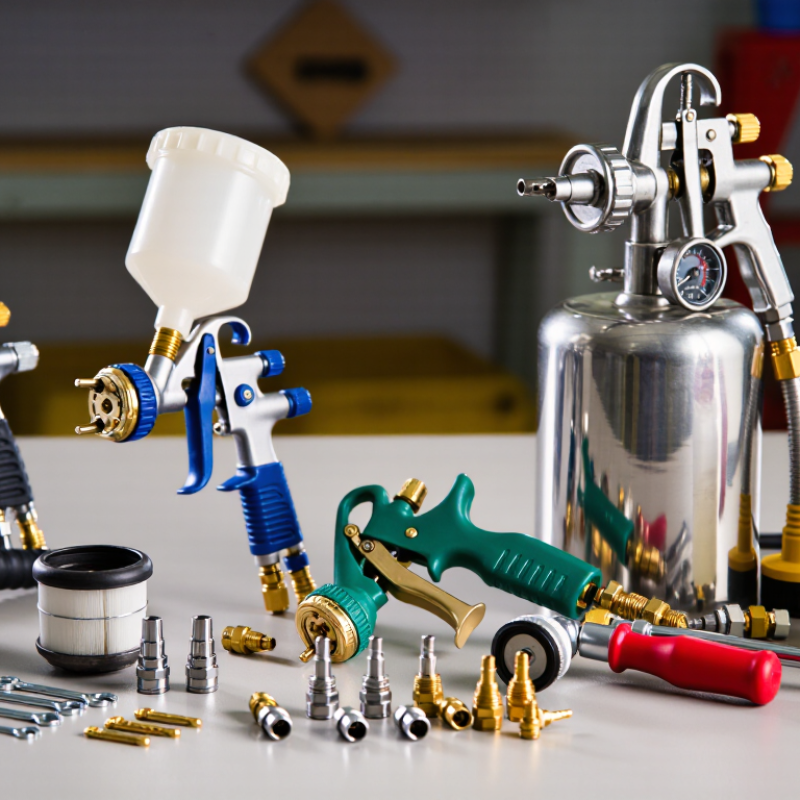
Oil spray guns differ mainly in how they move and atomize oil. Pneumatic guns use compressed air to break oil into fine droplets. They offer steady coverage and good control on machinery surfaces. Operators can adjust air pressure, fluid flow, and spray width. This principle suits light and medium oils. It can create overspray, though. A clean air filter and dry air line matter greatly.
Airless guns use hydraulic pressure instead of atomizing air. A pump forces oil through a small nozzle at high pressure. The spray pattern is strong, consistent, and suitable for thicker fluids. These guns usually cover large areas faster. They also demand careful pressure control. Too much pressure may waste oil or produce an uneven coating. Small nozzle changes can make a surprising difference.
Air-assisted airless guns combine fluid pressure with a small amount of compressed air. This design can improve edge control and reduce rough spray patterns. It often works well when finish quality and production speed both matter. Some electric systems drive the pump, while pneumatic systems use shop air. In practice, viscosity, nozzle size, and temperature affect results more than many buyers expect. I have sometimes chosen a powerful gun too quickly, then regretted the wasted material. Test spraying on cardboard first. Five minutes can reveal poor settings. Always follow the equipment manual and use suitable protective equipment.
What Are the Top Types of Oil Spray Guns?
Pneumatic oil spray guns use compressed air to control lubricant delivery with precision. They suit machinery service, bearing maintenance, and targeted metal protection. Air pressure atomizes the oil through a nozzle, creating either a fine mist or a narrow stream. The best choice depends on viscosity, coverage, and the surface condition.
A siphon-feed gun draws oil from a small container beneath the tool. It works well for larger areas and repeated applications. A pressure-feed gun pushes oil from a sealed reservoir, making it more suitable for thicker fluids. Adjustable nozzles help technicians move from a concentrated line to broader coverage. Keep it steady. Excess pressure can create overspray and uneven films.
In practical maintenance work, operators should test the spray on clean cardboard first. This reveals whether the oil is flowing smoothly or forming unwanted droplets. A pressure range around 30 to 60 psi often provides useful control, but the correct setting varies by fluid and nozzle. Always follow the equipment instructions and wear suitable eye protection. I have found that a slower hand movement improves coverage, although it can feel inefficient at first. That assumption deserves reconsideration. Clean the nozzle after use, because small residue can change the spray pattern during the next application. Reliable results come from matching the gun, oil viscosity, air supply, and operator technique.
Pneumatic oil spray guns differ mainly in atomization method, transfer efficiency, and application control. The chart shows representative transfer-efficiency ranges commonly associated with major spray-gun types. Higher efficiency generally means less overspray and better material utilization, although actual results depend on oil viscosity, nozzle size, air pressure, spray distance, and operator technique.
Application guidance: Conventional air spray guns provide fast atomization but can create more overspray. HVLP and LVMP pneumatic guns are often preferred when controlled application and material savings are priorities. Air-assisted airless systems can handle heavier oils and higher production rates while maintaining more control than standard airless spraying.
Note: The ranges are representative industry benchmarks rather than guaranteed performance specifications. Always verify the recommended fluid pressure, air pressure, nozzle size, and viscosity range for the specific oil being sprayed.
What Are the Top Types of Oil Spray Guns?
Oil spray guns generally include airless, compressed-air, and HVLP models. Airless oil spray guns are the strongest choice for high-volume coverage. They use pump pressure instead of compressed air to atomize the coating. This design can cover large panels, tanks, walls, and equipment quickly. It also handles many thicker oil-based coatings with fewer thinning steps. However, high pressure can create noticeable overspray. Good control still matters.
In practical use, the spray tip affects both speed and finish. A wider fan covers more surface, while a smaller orifice improves detail work. Excessive pressure may cause bounce-back, uneven edges, or wasted material. I have found that rushing setup often creates more cleanup later. The finish may look acceptable from a distance but reveal heavy bands under bright light. Operators should check the coating instructions, test on scrap material, and adjust pressure gradually.
Tips: Keep the gun perpendicular to the surface. Move steadily before pulling the trigger. Clean the filter, tip, and fluid path after every session. Wear suitable eye, skin, and respiratory protection, and maintain strong ventilation. Never point a pressurized gun at people or hands. Follow the equipment manual and the coating’s safety data sheet. A short test pass can prevent hours of correction.
What Are the Top Types of Oil Spray Guns?
For oil-based coatings, HVLP oil spray guns offer controlled atomization and lower overspray. They use higher air volume and lower pressure than conventional spray guns. This produces a softer spray pattern around cabinet edges, steel frames, and machinery parts. In practical workshops, that control can reduce airborne mist and material waste. However, HVLP is not automatically efficient. Poor fluid adjustment can still create heavy bounce-back.
South Coast Air Quality Management District Rule 1151 identifies HVLP equipment with transfer efficiency of at least 65 percent. This benchmark supports its reputation for economical coating application. The U.S. Environmental Protection Agency also emphasizes transfer efficiency when evaluating spray-related emissions. Oil coatings often need careful thinning, stable air pressure, and a suitable fluid nozzle. A large nozzle may flood corners. A small one may cause dry, uneven coverage. That assumption is easy to miss.
Tips: Strain the oil coating before filling the cup. Test one pass on scrap metal first. Keep the gun about 15–20 centimeters from the surface, and move steadily. Clean the air cap immediately after use. In my experience, operators often blame the gun when the real problem is excessive viscosity. That is worth reconsidering. HVLP can lower overspray, but technique still decides the finish.
| Spray Gun Type | Typical Operating Pressure | Typical Fluid Tip Size | Approximate Transfer Efficiency | Overspray Level | Best Applications for Oil-Based Coatings | Main Advantages | Important Considerations |
|---|---|---|---|---|---|---|---|
| HVLP | Approximately 20–50 psi air inlet pressure; air-cap pressure is commonly limited to 10 psi or less in regulated systems. | 1.4–2.5 mm | Typically 65% or higher when properly configured. | Low | Furniture oils, wood stains, enamel paints, cabinet coatings, doors, trim, and small-to-medium maintenance projects. | Low overspray, good material control, smooth finish, and reduced coating waste. | Uses more air than LVLP systems and may apply thick oil coatings more slowly unless the material is properly thinned or heated where permitted. |
| LVLP | Approximately 15–30 psi air inlet pressure, depending on gun design and coating viscosity. | 1.3–2.5 mm | Typically 60%–80% with correct setup. | Low to very low | Workshops with limited compressor capacity, furniture refinishing, small machinery, trim, and localized oil-coating work. | Lower air consumption than many HVLP guns, controlled atomization, and good suitability for smaller compressors. | Fan width and atomization can be more sensitive to viscosity, distance, and pressure adjustments. |
| Conventional High-Pressure | Approximately 35–60 psi air inlet pressure. | 1.4–2.8 mm | Often about 30%–40%, depending on equipment and operator technique. | High | Large-area coating where speed, strong atomization, and a highly uniform finish are more important than material savings. | Fast application, fine atomization, and broad compatibility with many coating viscosities. | Creates more airborne mist and material loss; requires effective ventilation, masking, and respiratory protection. |
| Airless | Approximately 1,500–3,000 psi fluid pressure; the exact range depends on the pump and tip. | 0.28–0.53 mm orifice is common for many maintenance coatings. | Approximately 50%–70% in practical field conditions. | Medium to high | Large walls, tanks, structural steel, decks, fences, and high-build oil-based protective coatings. | Very fast coverage, handles higher-viscosity materials, and does not require compressed air for atomization. | High-pressure injection hazards require strict safety procedures; overspray control and careful tip selection are essential. |
| Air-Assisted Airless | Approximately 300–1,500 psi fluid pressure plus 15–30 psi atomizing air. | 0.28–0.53 mm is common, depending on coating and output requirements. | Typically about 60%–80% with proper adjustment. | Low to medium | Industrial metalwork, cabinets, doors, equipment, and medium-to-large surfaces requiring both speed and finish quality. | Combines high production speed with improved atomization, edge control, and reduced overspray compared with conventional airless spraying. | More complex and costly than basic spray guns; requires careful coordination of fluid and air pressure. |
| Electrostatic | Typically uses 30–60 psi atomizing air or a compatible fluid system, plus high-voltage charging. | Approximately 1.2–2.0 mm for liquid coatings. | Often about 60%–90%, depending on grounding, coating conductivity, geometry, and application technique. | Low when conditions are suitable | Conductive metal parts, tubular frames, railings, equipment, and production lines with repeatable workpiece positioning. | Can improve wraparound coverage and reduce coating waste on suitably shaped and grounded parts. | Less effective on nonconductive substrates, recessed areas, sharp edges, and complex shapes; requires electrical safety controls. |
| Data note: Pressure, tip size, transfer efficiency, and overspray vary with coating viscosity, solids content, temperature, spray distance, fan pattern, equipment condition, and operator technique. Always follow the coating manufacturer's application instructions and the spray equipment safety requirements. | |||||||
Electric and manual oil spray guns serve different working habits, surface sizes, and control preferences. Electric models use a motor to create steady pressure and a consistent spray pattern. They suit repeated applications, larger equipment, and jobs requiring an even coating. Adjustable flow settings help manage thin oil, heavier lubricants, and changing surface conditions. A test spray on cardboard remains useful.
Manual oil spray guns rely on hand-pumped pressure. They are simple, portable, and practical when electricity is unavailable. Their compact design works well for small machinery, hinges, chains, and maintenance tasks. However, pressure can drop during use, causing an uneven pattern. Pumping too quickly may also create excess mist or wasted oil.
I once selected a manual gun for a long maintenance session and underestimated hand fatigue. That choice worked, but not comfortably. Electric models reduce physical effort, although their motors may add weight and require careful cleaning. Before choosing, check the nozzle range, seal materials, tank capacity, and oil compatibility. A narrow nozzle improves precision, while a wider nozzle covers surfaces faster.
Keep the gun upright during spraying. Clean the nozzle after every session, because dried residue can distort the spray.
Ventilation and suitable eye protection remain important, even during short applications. Sometimes, the quieter manual tool gives better control.
„Thanks to the LUVIR technology, the solder resist process could be switched directly from the previously used mask exposure to direct exposure. As an outstanding digital solution on the market, this technology has been able to demonstrate fast process times and superior quality on our certified conventional ink in production. This allowed us to fully digitize the solder mask process at low cost – without process or ink adjustments. An excellent benefit to our production in Rot am See.“
Ralf Göhringer (Head of Production WE Rot am See)
I would definitely recommend the Limata machine and team for a future company purchase
Michael Greenaway
Compunetics Inc.
“The Limata ldi has been amazing!! Best thing we did was buy this machine”
Richard Brady
GM
Circuitlabs
“Since 2019, we have been running the Limata X1000 LDI system (including LUVIR for solder mask imaging) in daily production as an addition to our current process with film. The machine was capable of properly exposing Taiyo PSR-4000 BN (DI) solder mask types on normal to high-copper boards using a new and unique direct imaging process. The machine operating interface is very user friendly which allowed for a quick technical training curve. The pre-registration processing reduced several seconds of production time at every print. Limata support and service staff is incomparable. They supported our team every step of the way at basically any time of the day or night, with literally, an immediate response time, customizing the software interface to best fit our Operations and needs.
We have exposed more than 8,000 prints since end of October, on various solder mask colors and some resist film panels. Limata, has proven to be very capable and innovative. They are a strong contender in the industry.
We have very much enjoyed this project, and working with the team!
Thank you Limata for the continued support and being a part of our growth.”
Bill Sezate
Vice President, GM
Summit Interconnect
As a replacement to our current contact exposure process with film, the LIMATA X2000 system including LUVIR-Technology was capable of properly exposing non-LDI solder mask types using a direct imaging process. The machine offers cutting edge software with a very intuitive operating interface which allowed for quick technician training curve. The dual drawer system combined with pre-registration processing reduced several seconds of production time at every machine cycle. Limata support and service staff is world class. They added software patches to keep production running at shortest possible response times, customized the software interface to best fit our in-house Operations system, and even wrote a step-by-step machine processing manual. As a result of the project, we have exposed more than 16,000 times on various product types and solder mask brands/colors. Limata, in a very short timeframe as a company, has definitely shown they are truly innovative and will be challenging the industry of direct imaging for the top spot.
Kevin Beattie
Process Engineer
TTM Technologies
Forest Grove Division
