When it comes to project needs, the choice of wire is crucial. Waterproof wire is essential for any application exposed to moisture. It ensures safety and longevity in challenging environments. Selecting the right type can seem overwhelming due to the variety available. Different projects demand different specifications.
Waterproof wires come in various materials and designs. They must withstand harsh conditions, such as rain, humidity, and even submersion. The right wire not only guarantees functionality but also affects your project's overall success. Choosing the incorrect type can lead to failures or increased maintenance costs.
In this guide, we will explore the top 10 waterproof wire options. Each selection is based on reliability, performance, and expert recommendations. While every option has its pros and cons, careful consideration can lead to the best fit for your specific requirements.
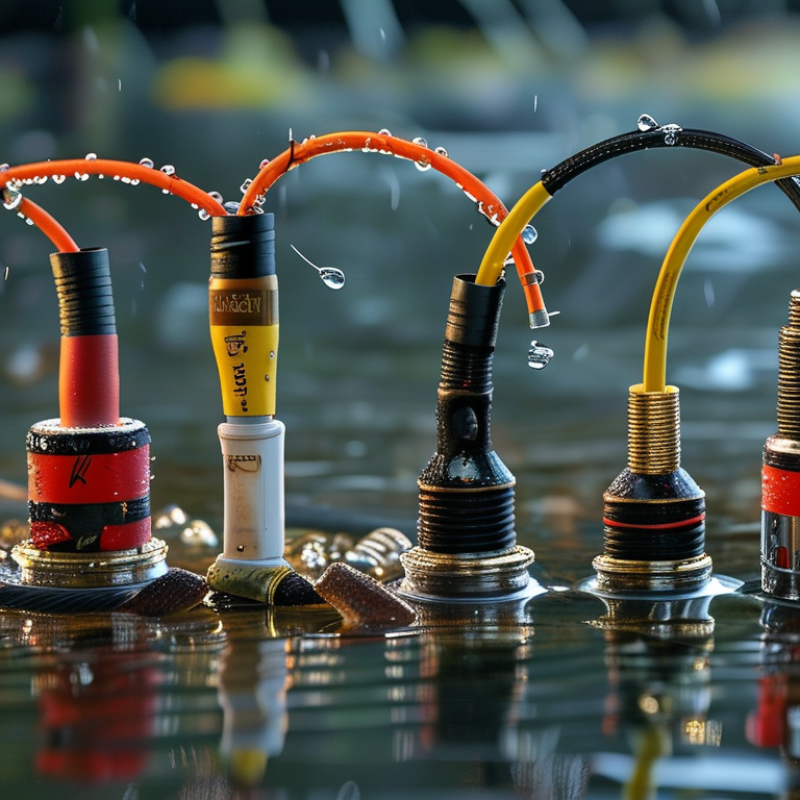
Choosing waterproof wire options can be challenging. The right choice depends on several factors. One primary consideration is the wire's insulation type. Different insulations, like PVC or rubber, offer varying levels of waterproof protection. Additionally, the environment where the wire will be used plays a crucial role. High humidity or direct water exposure requires more robust wires.
Another essential factor is the wire gauge. Thicker wires can handle more current but may be bulkier to manage. Conversely, thinner wires are easier to bend but may not carry high loads effectively. It's also vital to assess your project's specific needs, such as whether the wire will be buried underground or exposed to the elements.
Beyond these technical specs, reliability is key. Always consider the wire's ratings and certifications. These can indicate its safety and effectiveness. Every project has unique demands, and reflecting on past experiences helps guide the decision-making process. Mistakes in wire selection can lead to costly failures. Therefore, make an informed choice to ensure durability and performance.
When selecting waterproof wire for your project needs, understanding the types available is crucial. Different applications demand specific characteristics. For outdoor lighting, UV-resistant wires work well. They withstand sunlight and moisture. Marine applications require tinned copper wires. These wires resist corrosion from saltwater.
In industrial settings, silicone-insulated wires are favored. They tolerate extreme temperatures and offer flexibility. This flexibility allows for easier routing in confined spaces. For residential applications, low-voltage landscape lighting wires are popular. They ensure longevity and safe operation. However, it’s essential to verify installation conditions.
Choosing the right wire is not always straightforward. There may be multiple suitable options, leading to confusion. Always consider the environmental factors involved. Reflect on the long-term performance and potential maintenance challenges. Making an informed choice takes time, but it protects your investment in the end. Each type serves a unique purpose, and understanding these differences can enhance your project’s success.
When it comes to selecting waterproof wire, understanding the landscape of available options is crucial. Various brands offer unique features, such as insulation types and durability ratings. The reliability of waterproof wires is paramount, especially in outdoor or high-humidity environments. Users should familiarize themselves with these characteristics for informed decisions.
One key aspect to consider is the type of protective coating. Some wires come with enhanced insulation that withstands extreme conditions. Others may not perform as expected under continuous exposure to moisture. Evaluating user reviews can provide insights into real-world performance.
Tips: Always check specifications carefully. Look for wires with high moisture resistance ratings. Don’t overlook the importance of installation techniques; even the best wire can fail if not installed properly. Conduct thorough research before purchasing to ensure you're choosing a product that meets your project needs. Be prepared to reassess your options regularly; technology and materials evolve rapidly in this space.
When installing waterproof wiring, proper techniques are crucial. Begin by selecting the right materials suited for the specific environment. For outdoor projects, choose wires that can withstand UV rays and moisture. Indoor setups may require different specifications, especially in damp areas like bathrooms or kitchens.
Ensure connections are securely sealed. Use heat-shrink tubing or silicone sealant to protect joints from water ingress. Remember, even minor gaps can lead to significant issues over time. Test the installation with a multimeter to validate circuit integrity. This step can catch potential problems early and prevent future failures.
Be mindful of the installation environment. A dry, cool area is ideal for storing wiring before use. If external temperatures fluctuate, allow the materials to acclimate. Finally, consider the long-term maintenance of your waterproof wiring. Regular inspections will help identify wear and tear, ensuring lasting reliability.
Maintaining waterproof wires is crucial for ensuring their longevity and performance. Regular inspections can help identify potential issues early. Check for any signs of wear or damage, especially at the junctions. These areas are often prone to moisture infiltration. Ensure that the connections are properly sealed. This small step can prevent major complications later on.
Cleaning is another key aspect. Use a soft, dry cloth to remove dirt and debris. Avoid aggressive cleaning agents that might degrade insulating materials. Additionally, keep wires away from direct sunlight for prolonged periods. UV rays can break down the integrity of waterproof coatings.
Lastly, consider environmental factors. Extreme temperatures, both hot and cold, can affect wire performance. Make adjustments to your installation to shield wires from harsh conditions. By addressing these factors, you can prolong the life of your waterproof wires. Remember, consistent care can prevent unexpected failures and costly repairs.
„Thanks to the LUVIR technology, the solder resist process could be switched directly from the previously used mask exposure to direct exposure. As an outstanding digital solution on the market, this technology has been able to demonstrate fast process times and superior quality on our certified conventional ink in production. This allowed us to fully digitize the solder mask process at low cost – without process or ink adjustments. An excellent benefit to our production in Rot am See.“
Ralf Göhringer (Head of Production WE Rot am See)
I would definitely recommend the Limata machine and team for a future company purchase
Michael Greenaway
Compunetics Inc.
“The Limata ldi has been amazing!! Best thing we did was buy this machine”
Richard Brady
GM
Circuitlabs
“Since 2019, we have been running the Limata X1000 LDI system (including LUVIR for solder mask imaging) in daily production as an addition to our current process with film. The machine was capable of properly exposing Taiyo PSR-4000 BN (DI) solder mask types on normal to high-copper boards using a new and unique direct imaging process. The machine operating interface is very user friendly which allowed for a quick technical training curve. The pre-registration processing reduced several seconds of production time at every print. Limata support and service staff is incomparable. They supported our team every step of the way at basically any time of the day or night, with literally, an immediate response time, customizing the software interface to best fit our Operations and needs.
We have exposed more than 8,000 prints since end of October, on various solder mask colors and some resist film panels. Limata, has proven to be very capable and innovative. They are a strong contender in the industry.
We have very much enjoyed this project, and working with the team!
Thank you Limata for the continued support and being a part of our growth.”
Bill Sezate
Vice President, GM
Summit Interconnect
As a replacement to our current contact exposure process with film, the LIMATA X2000 system including LUVIR-Technology was capable of properly exposing non-LDI solder mask types using a direct imaging process. The machine offers cutting edge software with a very intuitive operating interface which allowed for quick technician training curve. The dual drawer system combined with pre-registration processing reduced several seconds of production time at every machine cycle. Limata support and service staff is world class. They added software patches to keep production running at shortest possible response times, customized the software interface to best fit our in-house Operations system, and even wrote a step-by-step machine processing manual. As a result of the project, we have exposed more than 16,000 times on various product types and solder mask brands/colors. Limata, in a very short timeframe as a company, has definitely shown they are truly innovative and will be challenging the industry of direct imaging for the top spot.
Kevin Beattie
Process Engineer
TTM Technologies
Forest Grove Division
