A Tube Processing Machine plays a critical role in many industries today. Experts like John Harrison, a seasoned engineer in the field, emphasize its importance. He once stated, "Efficient tube processing boosts overall production capacity." This highlights how vital these machines are for modern manufacturing.
Tube Processing Machines can bend, cut, and shape tubes with precision. Such capabilities improve product quality and reduce waste. In the automotive and aerospace sectors, the demand for accuracy is paramount. Yet, many companies overlook the maintenance of these machines. Neglecting regular upkeep can lead to costly downtimes.
Understanding the performance of a Tube Processing Machine is not just about technology. It's also crucial to assess the operator's skill. Even the best machines require skilled hands for optimal results. Therefore, investing in training can significantly enhance productivity and reliability. The balance of technology and human expertise is essential in this evolving industry.
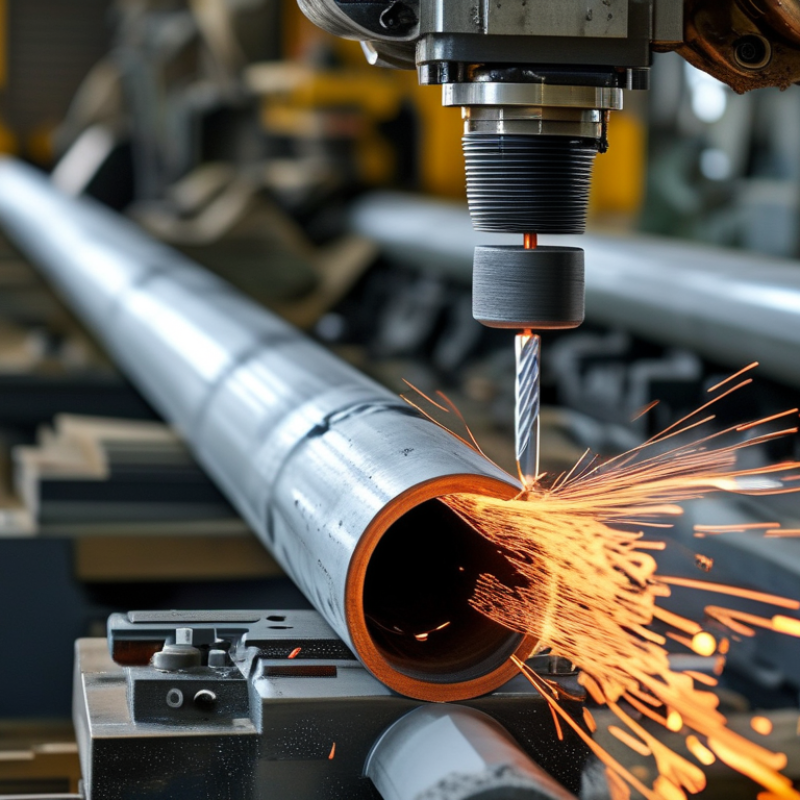
A tube processing machine is a vital tool in various industries, particularly in manufacturing and construction. This equipment is designed to cut, bend, and form tubes with precision. According to a recent report from the International Tube Association, the global market for tube processing machinery is projected to grow at a CAGR of 4.5% from 2021 to 2026. This growth reflects increased demand for efficient and accurate processing of metal and plastic tubes.
These machines work by utilizing advanced technology to automate processes that were once manual. Operators can set parameters for cutting lengths and angles, ensuring consistency and reducing waste. For instance, modern machines can process materials with thicknesses ranging from 0.5 mm to 10 mm, accommodating various applications. However, it is crucial to maintain these machines regularly. Neglect can lead to costly downtimes and reduced efficiency.
Despite the technology's advancements, challenges remain. Some machine operators report difficulties in adapting to new software or features. Training is essential to maximize the capabilities of tube processing machines. As technology evolves, staying updated will be crucial for businesses seeking to maintain a competitive edge in tube processing.
Tube processing machines are designed to shape and manipulate metal tubes for various applications. Understanding their key components can provide insight into their functionality. The most critical parts include the feeding system, cutting tool, and bending apparatus.
The feeding system transports the tube through the machine. It ensures a steady flow and precise positioning. This is crucial for achieving accurate cuts and bends. The cutting tool then slices the tube to the desired length. It often employs a rotating saw or laser for efficiency. Proper maintenance of the cutting tool is vital for consistent performance.
Bending apparatuses allow for the shaping of tubes into different angles. This can range from simple curves to complex shapes. Operators must carefully adjust settings to avoid damaging the material. Always consider the thickness and type of tube being processed. Using the wrong settings can lead to wasted material and increased costs.
Tips to enhance your tube processing experience: Inspect the machine regularly for wear and tear. Regular checks can prevent unexpected breakdowns. Also, ensure the workspace is clear and organized. A tidy area creates a safer and more efficient environment for operators.
Tube processing machines play a key role in various industries, from manufacturing to construction. These machines are designed to shape, cut, and finish metal or plastic tubes. Their operation involves several critical components and processes. Typically, they feature a cutting unit, a bending system, and often a welding section. Each component works together seamlessly to ensure precision and efficiency in tube processing.
When tube processing machines operate, they usually start with the input of raw tube material. The cutting unit measures and cuts the tubes to the required length. Next, the bending system shapes the tube according to specific angles or curves. This process can be intricate, depending on the design requirements. Quality control is vital at this stage. Imperfections can lead to material waste or product failure later on.
After bending, additional processes like welding or surface finishing may occur. The welding section joins pieces together securely. Surface finishing enhances the aesthetic and functional properties of the tubes. Machines often require regular maintenance to operate effectively. Even small errors in setup or calibration can lead to significant production issues. It's essential for operators to continually reflect on machine performance and adjust as needed. This ongoing attention to detail is what promotes reliability and excellence in tube processing.
| Feature | Description | Applications |
|---|---|---|
| Material Types | Steel, Aluminum, Copper, Plastic | Automotive, Aviation, Construction |
| Processing Techniques | Cutting, Bending, Welding, Forming | Manufacturing, Fabrication |
| Key Components | Laser Cutter, Press Brake, Tube Bender | Custom Fabrication, Mass Production |
| Automation Level | Manual, Semi-Automatic, Fully Automatic | High-Volume Production, Precision Parts |
| Efficiency | High-speed Operation, Reduced Waste | Streamlined Manufacturing Processes |
Tube processing machines are crucial in various industries, from manufacturing to construction. These machines are designed to cut, bend, and shape tubes made of metal, plastic, and other materials. This versatility makes them valuable tools across many applications, including automotive, aerospace, and HVAC systems.
In the automotive industry, tube processing machines help create exhaust systems and fuel lines. Accuracy and precision are paramount here. Each cut or bend must meet strict specifications to ensure safety and performance. In HVAC applications, these machines fabricate air ducts and piping, allowing efficient airflow in residential and commercial buildings.
Tips for optimizing tube processing include regular maintenance of machinery. Overlooked wear can lead to inaccuracies. It's also beneficial to ensure that proper tooling is used for specific materials. Mismatched tools can result in damaged tubes or unsafe products. Always conduct test runs before scaling production. This practice helps identify any issues early on, saving time and resources.
Tube processing machines have become essential in various industries, including automotive, aerospace, and construction. These machines streamline the production process, improving efficiency. According to a report from MarketsandMarkets, the tube processing market is projected to grow at a CAGR of 4.8% from 2021 to 2026. This growth highlights the increasing demand for automation and precision in tube manufacturing.
The benefits of using tube processing machines are significant. Firstly, they minimize material waste. An effective tube processing system can reduce scrap rates by up to 30%. This translates to lower costs and a more sustainable manufacturing process. Moreover, these machines enhance product quality. They provide consistent results, reducing the need for manual inspections and rework. Fast setup times allow for quick adjustments to different tube sizes, increasing production flexibility.
Despite the many advantages, there are challenges. Initial investment costs can be high. Companies need to weigh these costs against long-term savings. Additionally, not all operators may be familiar with advanced machines, necessitating training. Such considerations are critical in ensuring that the transition to automated systems does not compromise productivity or safety. The continuous evolution of this technology requires businesses to stay updated on industry standards and operational practices.
„Thanks to the LUVIR technology, the solder resist process could be switched directly from the previously used mask exposure to direct exposure. As an outstanding digital solution on the market, this technology has been able to demonstrate fast process times and superior quality on our certified conventional ink in production. This allowed us to fully digitize the solder mask process at low cost – without process or ink adjustments. An excellent benefit to our production in Rot am See.“
Ralf Göhringer (Head of Production WE Rot am See)
I would definitely recommend the Limata machine and team for a future company purchase
Michael Greenaway
Compunetics Inc.
“The Limata ldi has been amazing!! Best thing we did was buy this machine”
Richard Brady
GM
Circuitlabs
“Since 2019, we have been running the Limata X1000 LDI system (including LUVIR for solder mask imaging) in daily production as an addition to our current process with film. The machine was capable of properly exposing Taiyo PSR-4000 BN (DI) solder mask types on normal to high-copper boards using a new and unique direct imaging process. The machine operating interface is very user friendly which allowed for a quick technical training curve. The pre-registration processing reduced several seconds of production time at every print. Limata support and service staff is incomparable. They supported our team every step of the way at basically any time of the day or night, with literally, an immediate response time, customizing the software interface to best fit our Operations and needs.
We have exposed more than 8,000 prints since end of October, on various solder mask colors and some resist film panels. Limata, has proven to be very capable and innovative. They are a strong contender in the industry.
We have very much enjoyed this project, and working with the team!
Thank you Limata for the continued support and being a part of our growth.”
Bill Sezate
Vice President, GM
Summit Interconnect
As a replacement to our current contact exposure process with film, the LIMATA X2000 system including LUVIR-Technology was capable of properly exposing non-LDI solder mask types using a direct imaging process. The machine offers cutting edge software with a very intuitive operating interface which allowed for quick technician training curve. The dual drawer system combined with pre-registration processing reduced several seconds of production time at every machine cycle. Limata support and service staff is world class. They added software patches to keep production running at shortest possible response times, customized the software interface to best fit our in-house Operations system, and even wrote a step-by-step machine processing manual. As a result of the project, we have exposed more than 16,000 times on various product types and solder mask brands/colors. Limata, in a very short timeframe as a company, has definitely shown they are truly innovative and will be challenging the industry of direct imaging for the top spot.
Kevin Beattie
Process Engineer
TTM Technologies
Forest Grove Division
