Vacuum Compatible Linear Motion Stages play a crucial role in robotics, especially in controlled environments. These components need precision to ensure optimal performance. Dr. Alice Johnson, an industry expert, once noted, “Precision in movement defines success in robotics.” This highlights the importance of reliable stages in vacuum applications.
Many robotics applications require these linear motion stages to function effectively under low-pressure environments. Consider how manufacturing in the semiconductor industry relies on vacuum settings. The right vacuum compatible stages enhance both safety and efficiency. Each choice of stage can significantly affect the outcome of complex operations.
However, users must be aware of potential limitations. Not all stages are built equally; factors such as load capacity, speed, and material compatibility matter. Careful evaluation is necessary to select the best option. Some stages may perform well under initial tests but struggle under prolonged use. Understanding these nuances is key to success in robotic applications.
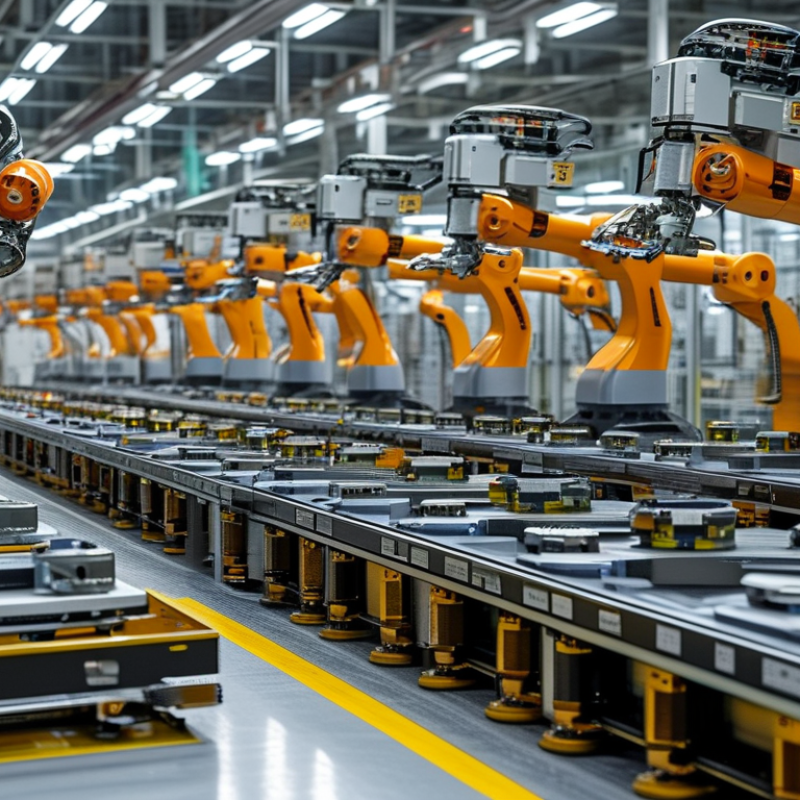
In robotics, vacuum compatibility is crucial for many applications, particularly in cleanroom environments. A recent industry report indicates that vacuum-compatible linear motion stages are essential in semiconductor manufacturing and biomedical fields. These stages help maintain precision while minimizing contamination risks. Their designs often incorporate materials that can withstand harsh vacuum conditions, ensuring longevity and reliability.
Common materials include anodized aluminum and stainless steel, which offer good structural integrity. Research shows that stages designed for vacuum applications achieve lower outgassing levels, which reduces contamination. However, some systems struggle with thermal expansion. Engineers must consider operating temperatures closely to avoid performance issues. Additionally, motion smoothness is often challenged by the lubricants used. Grease can evaporate in high vacuum, leading to stiction problems.
The demand for these stages continues to rise, reflecting a growth rate of around 5% annually in the robotics sector. Robotics applications require innovative solutions. The need for improved materials and designs is evident. As industries evolve, the quest for better vacuum-compatible linear motion solutions presents both challenges and opportunities. These systems play a vital role in pushing the boundaries of what automation can achieve in sensitive environments.
When selecting vacuum-compatible linear motion stages for robotics, certain features are essential. The material used impacts vacuum integrity. Aluminum and stainless steel are common choices. They offer strength and durability while maintaining low outgassing levels. Consider the load capacity as well. Stages need to handle specific weight loads for optimal performance.
Precision is another vital factor. Look for stages with high repeatability and accuracy. These specifications ensure reliable operation and minimize errors during tasks. The sealing designs used in these stages also warrant attention. Proper seals prevent contamination and enhance vacuum performance.
Tips for selecting the right stage: Assess your specific application needs thoroughly. Not all stages are suitable for every robot. Make a checklist to evaluate features that matter most. Cold welding can be an issue in vacuums. Ensure the materials used resist this phenomenon. Testing in a controlled environment can reveal potential weaknesses in different designs.
In the realm of robotics, choosing the right linear motion stage is crucial. Stages designed for vacuum compatibility are often utilized in cleanroom environments. These environments demand precise movement with minimal contaminants. Selecting the ideal motion stage can optimize robotic functionality while ensuring reliability in delicate operations.
Consider several features when evaluating options. Look for stages that provide consistent accuracy. A level of repeatability is essential to maintain robotic precision. Additionally, pay attention to the materials used. They should withstand the rigors of vacuum conditions without degrading over time. Lightweight designs can enhance mobility, enabling quicker adjustments during operation.
Tips: Sometimes, the best features may not stand out. Evaluate how the motion stage integrates with other robotic components. Test different configurations to find what works best in real scenarios. Remember, even the most advanced stage can have limitations. Always check compatibility with your specific robotic system. Emphasizing these factors can greatly impact performance.
When selecting vacuum-compatible linear motion stages for robotics, performance and specifications are critical. A recent industry report reveals that precision is an essential factor. Many stages offer positioning resolutions as fine as 1 micrometer. However, the actual performance may vary significantly. Understanding these nuances is key.
Diameter of the bearing, weight capacity, and compatibility with varying vacuum levels play pivotal roles. For instance, stages designed for UHV can manage pressures below 10^-9 Torr. But not all models meet these stringent conditions. Some may suffer from outgassing, impacting vacuum integrity. Analyzing specifications is vital for achieving optimal performance in robotics applications.
Expert analyses suggest that load capacity can range from 5 kg to over 100 kg. More robust designs generally provide better rigidity and longevity. However, these enhancements may not always guarantee superior functionality. Users must consider trade-offs between speed, precision, and load-bearing capabilities. Understanding the specific application needs remains crucial for selecting the right stage.
Vacuum-compatible linear motion stages play a vital role in robotics, especially for precise applications. These stages enable accurate movements in controlled environments, such as cleanrooms and vacuum chambers. They support tasks ranging from semiconductor manufacturing to sensitive material handling. The ability to perform under low-pressure conditions makes them ideal for these environments. However, challenges remain in optimizing these systems for durability and efficiency.
In robotics, applications often require adaptability. For example, industrial robots might need to maneuver complex paths while staying within vacuum constraints. This requires a careful balance of speed and stability. Engineers must ensure that the chosen linear stages can handle payloads without compromising performance. Regular assessments are necessary to address wear and tear, especially in high-use settings.
While vacuum-compatible stages are designed for high precision, they aren't flawless. Engineers frequently encounter issues like vibration and misalignment. These problems can lead to inconsistent results, affecting overall productivity. Ongoing research and development aim to refine these technologies for better reliability and functionality. The journey toward perfecting vacuum-compatible solutions remains a work in progress, with ample opportunities for innovation.
This chart represents the load capacities of the top five vacuum-compatible linear motion stages for robotics. Such stages are critical in various applications within the robotic sector, allowing for precise movement and handling of components in vacuum environments.
„Thanks to the LUVIR technology, the solder resist process could be switched directly from the previously used mask exposure to direct exposure. As an outstanding digital solution on the market, this technology has been able to demonstrate fast process times and superior quality on our certified conventional ink in production. This allowed us to fully digitize the solder mask process at low cost – without process or ink adjustments. An excellent benefit to our production in Rot am See.“
Ralf Göhringer (Head of Production WE Rot am See)
I would definitely recommend the Limata machine and team for a future company purchase
Michael Greenaway
Compunetics Inc.
“The Limata ldi has been amazing!! Best thing we did was buy this machine”
Richard Brady
GM
Circuitlabs
“Since 2019, we have been running the Limata X1000 LDI system (including LUVIR for solder mask imaging) in daily production as an addition to our current process with film. The machine was capable of properly exposing Taiyo PSR-4000 BN (DI) solder mask types on normal to high-copper boards using a new and unique direct imaging process. The machine operating interface is very user friendly which allowed for a quick technical training curve. The pre-registration processing reduced several seconds of production time at every print. Limata support and service staff is incomparable. They supported our team every step of the way at basically any time of the day or night, with literally, an immediate response time, customizing the software interface to best fit our Operations and needs.
We have exposed more than 8,000 prints since end of October, on various solder mask colors and some resist film panels. Limata, has proven to be very capable and innovative. They are a strong contender in the industry.
We have very much enjoyed this project, and working with the team!
Thank you Limata for the continued support and being a part of our growth.”
Bill Sezate
Vice President, GM
Summit Interconnect
As a replacement to our current contact exposure process with film, the LIMATA X2000 system including LUVIR-Technology was capable of properly exposing non-LDI solder mask types using a direct imaging process. The machine offers cutting edge software with a very intuitive operating interface which allowed for quick technician training curve. The dual drawer system combined with pre-registration processing reduced several seconds of production time at every machine cycle. Limata support and service staff is world class. They added software patches to keep production running at shortest possible response times, customized the software interface to best fit our in-house Operations system, and even wrote a step-by-step machine processing manual. As a result of the project, we have exposed more than 16,000 times on various product types and solder mask brands/colors. Limata, in a very short timeframe as a company, has definitely shown they are truly innovative and will be challenging the industry of direct imaging for the top spot.
Kevin Beattie
Process Engineer
TTM Technologies
Forest Grove Division
