What Is the Price of a VTOL Drone?
Vtol Drone Price varies widely because “VTOL drone” covers several aircraft classes. A compact electric mapping model may cost between $10,000 and $40,000. Professional systems often reach $80,000 to $250,000. Larger platforms can exceed $500,000. Payloads, batteries, ground stations, training, and software can change the final invoice dramatically.
Market reports support this expanding cost range. Grand View Research valued the global commercial drone market at about $30.6 billion in 2023. Drone Industry Insights estimated the broader drone market at approximately $54.6 billion in 2024. These figures do not represent VTOL aircraft alone. Still, they show why demand, autonomy, and specialized sensors influence pricing. A thermal camera, long-range radio, or LiDAR package may add tens of thousands of dollars. Spare batteries may look minor. They are not.
Florian Rotberg, managing director of Drone Industry Insights, has said, “Drones are becoming tools for professional workflows, not simple flying cameras.” That observation matters when comparing quotations. The cheapest airframe may produce the highest operating cost. Weather limitations, maintenance hours, data processing, and regulatory training all deserve attention. A practical price comparison should measure cost per flight hour, not only purchase price. That is where many buyers misjudge the decision.
The figures remain imperfect. Manufacturers package equipment differently, and some reports combine consumer, commercial, and defense markets. Therefore, any Vtol Drone Price estimate should be treated as a planning range, not a promise. Request a detailed quotation, verify included components, and test the aircraft under real mission conditions.
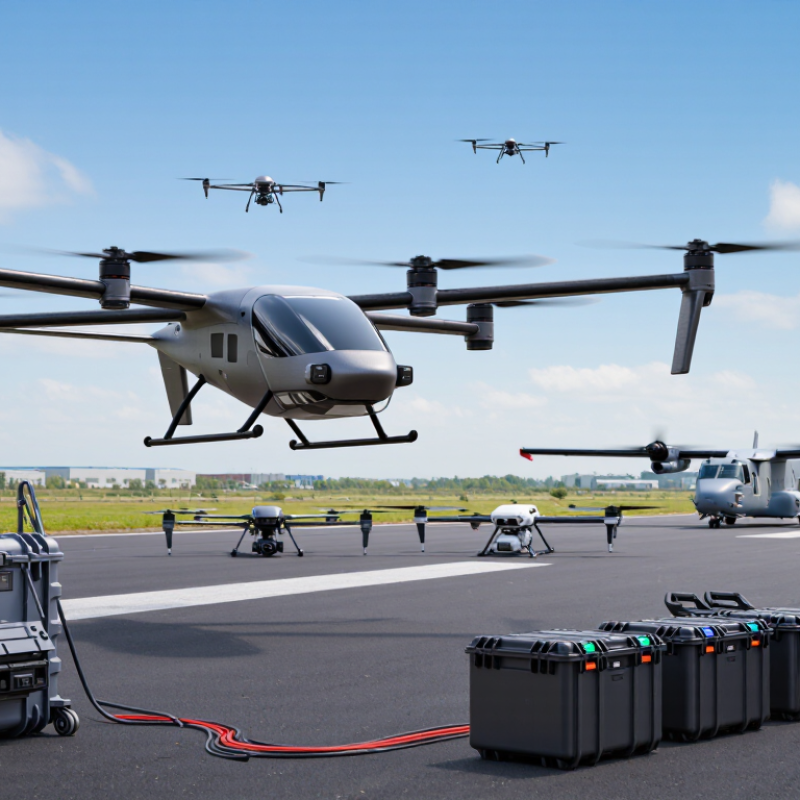
VTOL drone prices vary sharply because aircraft types serve different operational needs. A compact multirotor VTOL may cost between $1,000 and $15,000. These aircraft usually carry small cameras or inspection sensors. They can launch from a paved yard and hover beside a roof. Battery sets, spare propellers, and a ground controller may add another $500 to $3,000.
Hybrid fixed-wing VTOL aircraft often cost between $8,000 and $60,000. Their vertical lift systems support runway-free launches, while wings provide longer flight times. A professional survey package may include mapping sensors, processing software, and a rugged transport case. Those additions can raise the working budget above $100,000. Payload weight matters greatly.
Larger industrial aircraft may range from $60,000 to more than $250,000. They can carry thermal cameras, laser scanners, or specialized environmental sensors. Pricing should include training, maintenance, batteries, insurance, and approved operating procedures. A low purchase price can become expensive after one damaged motor or failed battery cycle. My estimates are practical ranges, not fixed quotations. A spreadsheet can look precise and still mislead. The right comparison uses total operating cost, expected flight hours, payload needs, and service support.
What Is the Price of a VTOL Drone?
A VTOL drone can cost from several thousand to well over one hundred thousand dollars. The flight mission largely determines the price. A lightweight airframe needs fewer motors, smaller batteries, and simpler control systems. A larger aircraft requires stronger materials, redundant power systems, and advanced navigation equipment.
Payload capacity is a major cost driver. A basic camera weighs little, while thermal sensors, mapping equipment, or delivery modules need extra lift. That extra lift increases motor size, battery capacity, and structural strength. Longer flight time also raises costs. High-quality batteries, efficient propellers, and power-monitoring systems can improve endurance, but they add expense. Reliable autopilot hardware, obstacle detection, and secure communication links may increase the budget further. Weather-resistant construction matters for field work. It is not always necessary for indoor testing.
Tips: Define the mission before comparing prices. Record payload weight, required range, flight duration, wind conditions, and landing space. Ask for maintenance costs, spare batteries, software support, and operator training. These details often reveal the real price.
In practical testing, setup and maintenance can be underestimated. I once focused too much on the aircraft price and overlooked battery replacement and calibration time. That was a poor estimate. Regulatory approvals, documented safety procedures, and trained operators may also affect project costs. A cheaper drone can become expensive when it needs frequent repairs or cannot meet reliable data requirements.
| Cost Factor | Typical Specification | Estimated Cost Impact | Why It Influences Price | Common Use Case |
|---|---|---|---|---|
| Entry-Level VTOL Platform | Electric, 1–3 kg payload, 30–60 minutes endurance | Approximately US$3,000–US$12,000 | Uses compact motors, basic flight controls, and standard batteries. | Training, mapping, inspection, and small-area surveying |
| Professional VTOL Platform | Electric or hybrid, 3–10 kg payload, 1–4 hours endurance | Approximately US$15,000–US$60,000 | Requires stronger airframes, redundant systems, better navigation, and longer-lasting power systems. | Agricultural monitoring, infrastructure inspection, and land surveying |
| Industrial VTOL Platform | Hybrid-electric or fuel-powered, 10–30 kg payload, 4–10 hours endurance | Approximately US$70,000–US$250,000+ | Larger propulsion systems, specialized payload integration, and advanced safety features increase development and manufacturing costs. | Long-range inspection, logistics trials, emergency response, and industrial surveying |
| Maximum Takeoff Weight | Under 7 kg to more than 25 kg | Adds roughly 10%–40% to the base platform cost | Higher takeoff weight requires stronger structures, larger motors, larger batteries, and more capable landing gear. | Heavy sensor transport and commercial field operations |
| Payload Capacity | 0.5–30 kg, depending on airframe size | Adds approximately US$2,000–US$50,000+ | Payload capacity affects the airframe, propulsion, power reserve, vibration control, and mounting interfaces. | Cameras, thermal sensors, LiDAR, multispectral systems, and delivery equipment |
| Flight Endurance | 30 minutes to 10 hours | Adds approximately US$5,000–US$100,000+ | Longer endurance may require higher-density batteries, hybrid generators, fuel systems, or optimized aerodynamic design. | Large-area mapping, power-line inspection, and extended surveillance |
| Navigation and Autonomy | GNSS-assisted flight to obstacle avoidance and autonomous missions | Adds approximately US$1,000–US$30,000+ | Precision positioning, redundant sensors, onboard computing, and mission-planning software raise system complexity. | Automated surveying, route following, and operations in complex environments |
| Imaging and Sensor Package | RGB camera, thermal camera, multispectral sensor, or LiDAR | Adds approximately US$500–US$100,000+ | Sensor accuracy, resolution, stabilization, calibration, and data-processing requirements strongly affect the total system price. | Asset inspection, crop analysis, environmental surveys, and 3D modeling |
| Communications Range | 2–15 km typical line-of-sight range; extended links available | Adds approximately US$500–US$20,000+ | Long-range operations need stronger radio links, antennas, encryption, network connectivity, and redundancy. | Remote infrastructure, coastal monitoring, and wide-area operations |
| VTOL Configuration | Tilt-rotor, lift-and-cruise, tailsitter, or multi-rotor hybrid | Adds approximately 5%–35% over a basic fixed-wing design | Vertical takeoff systems require additional motors, controllers, structural components, and flight-control software. | Operations from confined or unprepared launch areas |
| Safety and Redundancy | Basic fail-safe functions to redundant power, navigation, and control systems | Adds approximately 10%–50% to system cost | Redundant components, emergency procedures, parachutes, and health monitoring improve reliability but increase hardware and testing costs. | Operations near people, buildings, and critical infrastructure |
| Support and Integration | Training, software, spare batteries, payload integration, and maintenance | Adds approximately US$2,000–US$50,000+ | Deployment often requires operator training, custom interfaces, field equipment, replacement parts, and data-processing tools. | Professional and recurring commercial missions |
| General purchase estimate: A VTOL drone may cost approximately US$3,000–US$12,000 for an entry-level system, US$15,000–US$60,000 for a professional system, and US$70,000–US$250,000 or more for an industrial configuration. Final pricing depends on payload, endurance, autonomy, communications, safety requirements, and integration scope. | ||||
Note: The figures are realistic market-oriented estimates for complete VTOL drone systems and may vary according to configuration, regulatory requirements, customization, shipping, training, and ongoing maintenance.
VTOL drone prices vary sharply by airframe, sensor package, endurance, and support requirements. Entry-level multirotor VTOL systems usually cost between $1,000 and $8,000. They suit mapping practice, site checks, and pilot training. Prices rise quickly with thermal cameras, obstacle avoidance, and encrypted data links.
Hybrid fixed-wing VTOL drones commonly range from $8,000 to $40,000 before specialist payloads. Their vertical takeoff reduces runway needs, while fixed-wing flight improves coverage. A 2024 analysis from Drone Industry Insights reported strong commercial demand for surveying, inspection, and public-safety applications. That demand supports higher prices for longer endurance and automated flight functions. Real procurement figures can differ considerably.
Heavy-lift and industrial VTOL platforms often begin near $40,000 and may exceed $150,000. The payload matters most. LiDAR, multispectral cameras, and stabilized imaging systems can add tens of thousands of dollars. MarketsandMarkets’ 2024 UAV market research identified payload capability and autonomy as major value drivers across commercial systems. My purchasing experience suggests buyers often underestimate training, batteries, maintenance, and data software. The airframe is only part of the invoice. A cheaper drone may become expensive after two seasons. Prices also reflect regional service availability, integration work, and warranty coverage.
The purchase price is only the beginning. Daily operation creates a steady cost trail. Batteries may need replacement after 150 to 300 flight cycles, depending on storage, temperature, and charging habits. A field team should also budget for propellers, motors, landing gear, and airframe inspections. Small parts matter.
In practical operations, labor often becomes the largest expense. A trained pilot must plan flights, monitor weather, inspect equipment, and review collected data. Cloud storage, mapping software, transport, insurance, and equipment calibration can add monthly costs. Maintenance logs help reveal patterns, although my own early budgets underestimated weather delays and battery aging. A flight may be technically possible but financially unwise after a long vehicle journey.
Tips: Keep separate records for batteries, repairs, labor, and travel. Check battery health before every mission. Replace damaged propellers immediately. Reserve money for unexpected repairs. A realistic operating budget should include downtime, not just flight hours. Test flights also consume power and staff time. That expense is easy to overlook.
What Is the Price of a VTOL Drone?
How to Evaluate a VTOL Drone Within Your Budget
The price of a VTOL drone depends on more than its purchase invoice. A useful budget includes batteries, payload sensors, ground equipment, software, training, maintenance, insurance, and approved operating procedures. A lower-priced aircraft may become expensive if spare parts are limited or repairs require specialist support. Keep a reserve for unexpected costs.
Start with the mission, not the aircraft. Measure the required flight distance, payload weight, mapping accuracy, wind tolerance, and landing conditions. For example, a survey team working over rough farmland may need long endurance and reliable vertical landing. A lighter system could suit short inspections near prepared sites. Ask for documented flight data, not only advertised maximum figures. Maximum endurance often assumes light payload, calm weather, and a new battery.
Review the aircraft during a controlled demonstration. Watch its transition between vertical lift and forward flight. Check whether the operator can replace a battery quickly and inspect the propellers without unusual tools. Confirm that maintenance records, training materials, and safety procedures are clear. Also verify compliance with aviation rules in your operating region.
My first budget estimate would probably be too optimistic. Batteries age, weather changes, and field delays cost money. A pilot project can reveal these gaps before a larger purchase. Compare the total cost over three years, then judge whether the aircraft’s performance justifies the added expense.
„Thanks to the LUVIR technology, the solder resist process could be switched directly from the previously used mask exposure to direct exposure. As an outstanding digital solution on the market, this technology has been able to demonstrate fast process times and superior quality on our certified conventional ink in production. This allowed us to fully digitize the solder mask process at low cost – without process or ink adjustments. An excellent benefit to our production in Rot am See.“
Ralf Göhringer (Head of Production WE Rot am See)
I would definitely recommend the Limata machine and team for a future company purchase
Michael Greenaway
Compunetics Inc.
“The Limata ldi has been amazing!! Best thing we did was buy this machine”
Richard Brady
GM
Circuitlabs
“Since 2019, we have been running the Limata X1000 LDI system (including LUVIR for solder mask imaging) in daily production as an addition to our current process with film. The machine was capable of properly exposing Taiyo PSR-4000 BN (DI) solder mask types on normal to high-copper boards using a new and unique direct imaging process. The machine operating interface is very user friendly which allowed for a quick technical training curve. The pre-registration processing reduced several seconds of production time at every print. Limata support and service staff is incomparable. They supported our team every step of the way at basically any time of the day or night, with literally, an immediate response time, customizing the software interface to best fit our Operations and needs.
We have exposed more than 8,000 prints since end of October, on various solder mask colors and some resist film panels. Limata, has proven to be very capable and innovative. They are a strong contender in the industry.
We have very much enjoyed this project, and working with the team!
Thank you Limata for the continued support and being a part of our growth.”
Bill Sezate
Vice President, GM
Summit Interconnect
As a replacement to our current contact exposure process with film, the LIMATA X2000 system including LUVIR-Technology was capable of properly exposing non-LDI solder mask types using a direct imaging process. The machine offers cutting edge software with a very intuitive operating interface which allowed for quick technician training curve. The dual drawer system combined with pre-registration processing reduced several seconds of production time at every machine cycle. Limata support and service staff is world class. They added software patches to keep production running at shortest possible response times, customized the software interface to best fit our in-house Operations system, and even wrote a step-by-step machine processing manual. As a result of the project, we have exposed more than 16,000 times on various product types and solder mask brands/colors. Limata, in a very short timeframe as a company, has definitely shown they are truly innovative and will be challenging the industry of direct imaging for the top spot.
Kevin Beattie
Process Engineer
TTM Technologies
Forest Grove Division
