Why Choose a Ph Analyser for Global Sourcing?
Global sourcing demands reliable decisions across suppliers, laboratories, and production sites. A Ph Analyser helps purchasing teams verify acidity and alkalinity with measurable data. This matters in water treatment, food processing, cosmetics, agriculture, and chemical manufacturing. A small pH variation can change product performance, shelf life, or process stability.
In practical use, the instrument supports faster incoming inspections and clearer supplier communication. Operators can record readings from raw materials, rinse water, or finished batches. Modern models often provide automatic temperature compensation, calibration reminders, and digital data storage. These features reduce transcription errors and make quality records easier to review. However, technology alone does not guarantee accuracy. Electrodes need proper cleaning, suitable storage, and regular calibration with fresh buffer solutions.
Details matter.
Experienced sourcing managers should compare measurement range, resolution, response time, electrode compatibility, and service support. They should also check whether suppliers provide traceable calibration documents and clear operating instructions. Regional training and replacement parts can affect long-term value more than the initial price. A low-cost unit may become expensive when its electrode fails or technical support is unavailable.
A Ph Analyser is not a substitute for professional judgment. Sample temperature, contamination, and poor preparation can distort results. Results can vary.
Choosing a dependable instrument means reviewing real application conditions, supplier experience, and maintenance expectations. With transparent records and disciplined procedures, global buyers can build stronger quality controls. The decision still deserves periodic review, because production needs and supplier capabilities change over time.
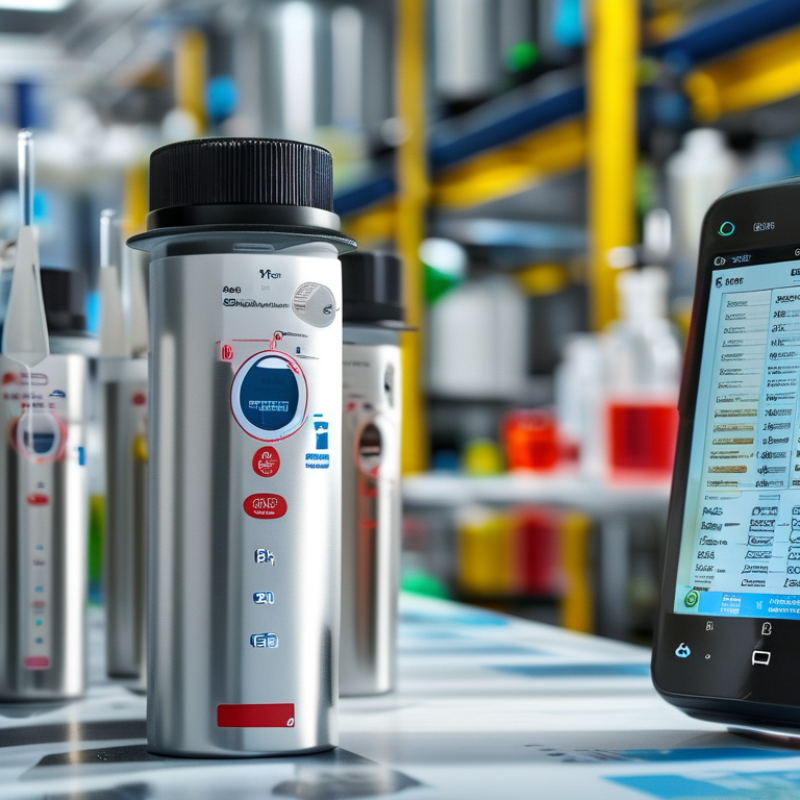
Why Choose a pH Analyser for Global Sourcing?
A pH analyser measures how acidic or alkaline a liquid is. It uses a glass electrode, reference electrode, and temperature sensor. The glass membrane responds to hydrogen ion activity. The instrument converts this electrical response into a pH value.
The pH scale is logarithmic. A change of 0.1 pH represents about a 26% change in hydrogen ion concentration. That difference can affect corrosion, chemical dosing, and process stability. The U.S. Environmental Protection Agency lists 6.5–8.5 as the secondary standard range for drinking water. The World Health Organization also describes pH as an important operational water-quality parameter, rather than a direct health limit.
In real sourcing projects, specifications should include calibration procedures, temperature compensation, electrode materials, and measurement range. ISO 10523:2008 identifies potentiometric measurement as a standard method for determining pH in water. A reliable analyser should support traceable calibration with certified buffer solutions. It should also provide stable readings in wet, dusty, or chemically demanding environments.
No analyser is magically accurate. Poor cleaning, old electrodes, and incorrect calibration can distort results. I have seen teams compare instruments without controlling sample temperature. That comparison was weak. Global buyers should request test records, calibration certificates, response-time data, and maintenance guidance before approval. These details reveal more than a polished product sheet.
A pH analyser measures hydrogen-ion activity in a liquid, typically through a glass electrode and a reference electrode. At 25°C, the electrode response is approximately 59.16 mV per pH unit, making accurate calibration essential for consistent testing across suppliers and production sites.
The chart shows internationally recognized reference buffer values at 25°C. These calibration points help global sourcing teams compare pH analyser performance, verify measurement consistency, and establish reliable quality-control procedures without depending on a specific company or brand.
For global sourcing, a pH analyser supports safer decisions across many working environments.
Water treatment plants use it to control neutralisation and monitor discharge quality. In laboratories, it helps technicians prepare buffers and verify test conditions. Small errors matter.
Food and beverage facilities measure pH in dairy products, sauces, drinks, and fermentation tanks. A stable reading can protect taste, texture, and process consistency.
Pharmaceutical production requires careful pH control during formulation, cleaning, and purified-water monitoring. Agriculture uses analysers for soil solutions, hydroponic systems, and irrigation water.
Aquaculture operators also check tank water, because changing pH can stress fish and affect feeding. Mining and chemical processing use inline systems where continuous readings support process control. Portable meters are useful for field sampling, but they need protection from dust, moisture, and rough handling.
Tips:
Match the analyser to the sample, temperature range, and measurement frequency. Confirm calibration procedures before purchasing. Ask whether the electrode can be replaced locally. Temperature compensation is helpful, but it does not correct every sampling mistake. Clean the probe after sticky or oily samples. Store it correctly. Never assume a low price means poor quality, or a complex system means better results. No analyser is perfect. In practical trials, operators sometimes overlook response time and maintenance effort. That oversight can cost more than the instrument itself. Reliable sourcing should include documentation, training, spare parts, and realistic after-sales support.
Choosing a pH analyser for global sourcing requires more than comparing purchase prices. In laboratory and production settings, pH affects flavour, stability, safety checks, and process control. A reliable analyser should provide repeatable readings across different operators and locations. Clear calibration instructions also reduce avoidable errors during busy shifts. Small details matter.
Experienced users often check electrode compatibility, measurement range, temperature compensation, and cleaning requirements before ordering. A supplier should provide calibration records, technical documentation, and accessible replacement parts. These details support traceability when samples move between countries or facilities. They also help quality teams investigate unusual results without guessing.
A practical sourcing decision includes real sample testing. Thick liquids, suspended particles, or low-conductivity water can challenge an unsuitable electrode. Ask for performance evidence under similar conditions, not only ideal laboratory data. No instrument is perfect. Operators may still need regular calibration and careful storage. That gap matters. A lower-cost analyser can become expensive when readings drift, training is unclear, or replacement parts arrive late. Reliable technical support, stable supply planning, and transparent specifications often matter more than a polished sales claim. Experiences from daily use should influence the final choice, even when they reveal weaknesses in the original purchasing plan.
When comparing pH analysers, accuracy should lead the discussion, not the purchase price. The US EPA lists 6.5–8.5 as a secondary pH range for drinking water. Small measurement errors can therefore affect process decisions. NIST reference buffers commonly use values near pH 4.01, 6.86, and 9.18 at 25°C. A reliable analyser should support these calibration points and record calibration history.
Features also need practical comparison. Look for automatic temperature compensation, replaceable electrodes, data export, and clear error alerts. ISO 10523:2008 emphasizes controlled sampling, calibration, and temperature conditions. These details matter during global sourcing, where laboratories may face different climates and operators.
In field work, a screen can look perfect while a dry electrode quietly creates unstable readings. That problem is easy to miss.
Tips: Compare total ownership cost, not only the quotation. Include sensors, buffer solutions, maintenance, training, shipping, and downtime. Ask suppliers for repeatability data, calibration procedures, and uncertainty information. I would also request test results from samples similar to yours. Published accuracy can be excellent, but real samples may contain solids, salts, or coatings. A cheaper analyser may become expensive after several electrode replacements. The opposite can happen too. Higher specifications are not always useful if your process needs only routine screening.
Choosing a pH analyser for global sourcing requires more than comparing prices. Supplier selection should begin with measurement accuracy, product consistency, and documented quality controls. Ask for calibration procedures, traceable test records, and clear specifications for electrode range, temperature compensation, and resolution. A reliable supplier should explain these details without vague promises.
Experience also shows that international sourcing depends on practical support. Check production capacity, minimum order quantities, lead times, packaging quality, and communication speed. Confirm whether technical documents are available in English and whether replacement parts can be supplied. Warranty terms matter too. A low quotation may look attractive, but my earlier assumptions about total cost were sometimes incomplete. Freight, customs handling, training, and delayed troubleshooting can change the final result.
Tips: Request a sample before placing a large order. Test it with reference buffers under real working conditions. Compare readings across repeated tests, not just one successful result. Review supplier feedback from several markets, while remembering that online reviews can be selective. It is also wise to discuss regional compliance requirements before production begins. No supplier is perfect. The better choice is often the one that admits limitations, records corrective actions, and responds clearly when a measurement problem appears.
„Thanks to the LUVIR technology, the solder resist process could be switched directly from the previously used mask exposure to direct exposure. As an outstanding digital solution on the market, this technology has been able to demonstrate fast process times and superior quality on our certified conventional ink in production. This allowed us to fully digitize the solder mask process at low cost – without process or ink adjustments. An excellent benefit to our production in Rot am See.“
Ralf Göhringer (Head of Production WE Rot am See)
I would definitely recommend the Limata machine and team for a future company purchase
Michael Greenaway
Compunetics Inc.
“The Limata ldi has been amazing!! Best thing we did was buy this machine”
Richard Brady
GM
Circuitlabs
“Since 2019, we have been running the Limata X1000 LDI system (including LUVIR for solder mask imaging) in daily production as an addition to our current process with film. The machine was capable of properly exposing Taiyo PSR-4000 BN (DI) solder mask types on normal to high-copper boards using a new and unique direct imaging process. The machine operating interface is very user friendly which allowed for a quick technical training curve. The pre-registration processing reduced several seconds of production time at every print. Limata support and service staff is incomparable. They supported our team every step of the way at basically any time of the day or night, with literally, an immediate response time, customizing the software interface to best fit our Operations and needs.
We have exposed more than 8,000 prints since end of October, on various solder mask colors and some resist film panels. Limata, has proven to be very capable and innovative. They are a strong contender in the industry.
We have very much enjoyed this project, and working with the team!
Thank you Limata for the continued support and being a part of our growth.”
Bill Sezate
Vice President, GM
Summit Interconnect
As a replacement to our current contact exposure process with film, the LIMATA X2000 system including LUVIR-Technology was capable of properly exposing non-LDI solder mask types using a direct imaging process. The machine offers cutting edge software with a very intuitive operating interface which allowed for quick technician training curve. The dual drawer system combined with pre-registration processing reduced several seconds of production time at every machine cycle. Limata support and service staff is world class. They added software patches to keep production running at shortest possible response times, customized the software interface to best fit our in-house Operations system, and even wrote a step-by-step machine processing manual. As a result of the project, we have exposed more than 16,000 times on various product types and solder mask brands/colors. Limata, in a very short timeframe as a company, has definitely shown they are truly innovative and will be challenging the industry of direct imaging for the top spot.
Kevin Beattie
Process Engineer
TTM Technologies
Forest Grove Division
