Choosing the right production equipment can shape a business’s quality, speed, and reputation. An Engraving Laser Machine offers a practical way to create precise designs on wood, acrylic, leather, glass, coated metal, and other suitable materials. Unlike manual engraving, laser technology can reproduce fine lines, logos, serial numbers, and personalized patterns with consistent detail.
That consistency matters when customers expect matching products. A small workshop can engrave names on wooden gifts, mark stainless steel tools, or produce branded acrylic signs from one digital file. Operators can adjust power, speed, and resolution for different materials. With proper testing, these settings help reduce waste and improve repeatability. From our experience, the best results come from careful preparation, not simply pressing a button.
It is not a perfect shortcut.
Every business must consider ventilation, protective equipment, material compatibility, maintenance, and operator training. Some surfaces may burn, melt, discolor, or release harmful fumes when processed incorrectly. A reliable supplier should provide technical guidance, clear safety instructions, and realistic information about machine capabilities. Buyers should also check local workplace requirements before installation.
An Engraving Laser Machine can support product customization, small-batch manufacturing, signage, and industrial identification. Its value depends on workflow, material choices, production volume, and after-sales support. The learning curve is real, and early mistakes may occur. Still, with documented settings and regular cleaning, businesses can build dependable results over time. The right machine should improve craftsmanship while leaving room for thoughtful human judgment.
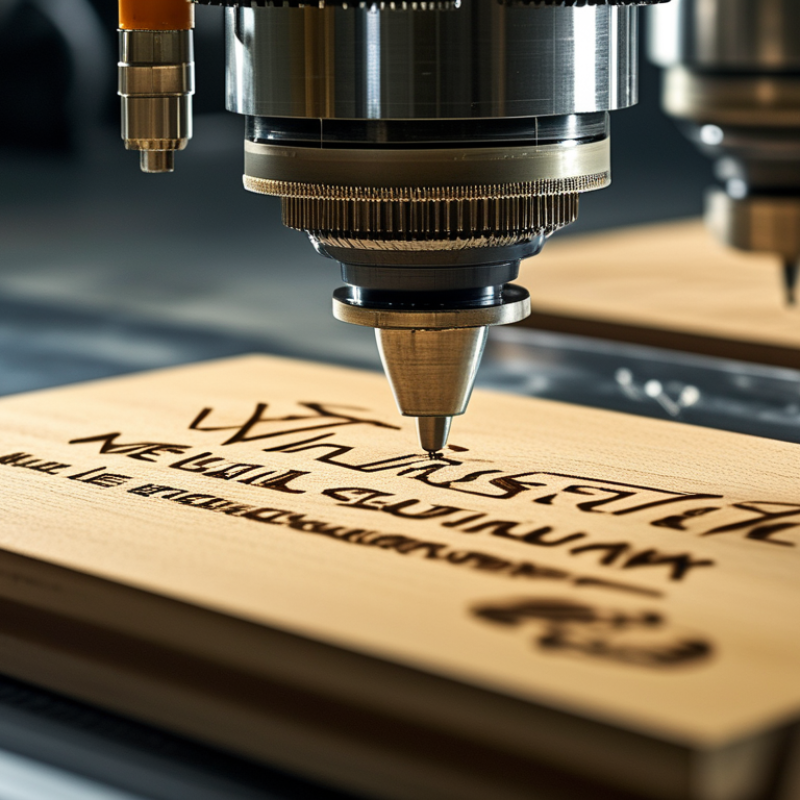
An engraving laser machine uses a focused beam of light to remove, discolor, or reshape a material’s surface. A controller guides the beam along digital artwork, creating letters, serial numbers, symbols, or detailed patterns. Unlike mechanical engraving, it usually needs no cutting tool touching the workpiece. This reduces tool wear and keeps small details sharp. Common systems include CO2, fiber, and diode lasers. Each suits different materials, so choosing by price alone can be a costly mistake.
Grand View Research reported that the global laser marking machine market was valued at about USD 3.1 billion in 2023. It also projects strong growth through 2030. This demand reflects traceability needs in manufacturing, electronics, packaging, and custom products. In practical use, an operator can mark a stainless-steel part in seconds, then inspect the contrast under angled light. Results still depend on power, speed, focus, ventilation, and surface coating. The machine is precise, but it is not magic.
Tips: Test a small sample first. Record power, speed, and focal distance. Check the mark after cleaning, rubbing, and mild heat exposure. Follow ISO 11553-1 guidance and local workplace safety rules. A basic mistake is ignoring fumes from coated materials. I have seen attractive samples fail during production because the settings were never documented. Reliable workflow matters as much as the laser itself.
Laser engraving uses a concentrated beam of light to change a material’s surface. A lens focuses the beam into a tiny, controlled point. Heat then removes, darkens, or marks the surface according to a digital design.
The machine follows paths created by vector lines or raster images. Vector files produce clean outlines, while raster files create shades through closely spaced passes. On wood, the beam may leave a warm brown mark. On coated metal, it can remove the top layer and reveal a contrasting color. Acrylic, leather, glass, and some stones require different settings.
Material response varies.
Power, speed, focus, and line spacing must work together. Excessive power can burn wood edges or distort delicate details. Low power may create a pale, uneven mark. In practical workshop use, a small test grid saves material and exposes weak settings before production begins. Ventilation and protective enclosures also matter, because smoke and fumes can irritate people and contaminate nearby surfaces.
The process looks simple, but consistency takes judgment. I would not trust one setting for every sheet, even when the materials appear identical. Moisture, coating thickness, and surface texture can change the result. Keeping records of tested settings helps a business repeat quality work, although the notes may need regular correction. A reliable operator checks focus, cleans the lens, and inspects the first finished piece before running a full batch.
Material choice determines whether an engraving laser becomes a useful production tool or an expensive experiment. According to Grand View Research’s 2024 laser marking machine report, the global market was valued at approximately US$3.5 billion in 2023. That growth reflects demand for traceability, personalization, and short production runs. Businesses still need to match the laser source with the material.
CO2 lasers commonly process wood, acrylic, leather, paper, cardboard, rubber, and many fabrics. They can also create frosted designs on glass and stone. Fiber lasers suit stainless steel, aluminum, brass, coated metals, and industrial components. They produce crisp serial numbers, logos, and surface marks. Ceramic can work, but results vary with glaze composition. Test pieces matter.
That assumption is easy to miss. Some plastics melt, discolor, or release hazardous fumes, so material safety data should guide every trial. Avoid unknown composites. A recent MarketsandMarkets analysis identifies plastics, metals, and glass among major laser processing applications, supporting this broad material demand. Yet the report does not replace practical testing.
In my experience, the same wooden sheet can engrave differently across its grain. Power, speed, focus, moisture, and coating thickness all change the result. Start with a small sample, measure contrast, and inspect the edges before accepting a full batch. Weak contrast is often a settings problem, not a machine failure.
Laser engraving can turn ordinary products into useful sales tools. A wooden box, metal tag, or glass award can carry a name, date, logo, or short message. Customers often value this personal detail more than a small discount. It can also help a small workshop accept custom orders without outsourcing every design.
The business benefit is flexibility. One machine can support gifts, signage, packaging, tools, and promotional items. Digital files make design changes quick, while repeat settings can improve consistency across multiple pieces. A careful operator can reduce material waste by testing on a small sample first. That sample matters. Materials react differently to heat, speed, and power. Wood may darken unevenly, while coated metal may reveal a sharper contrast.
Laser engraving may also improve production records. Operators can save tested settings, inspection photos, and customer approvals. These habits support reliable quality and clearer staff training. However, the machine is not a shortcut to profit. Ventilation, protective procedures, maintenance, and staff instruction require time and budget. I would not promise perfect results on day one. Some designs need several attempts, and intricate artwork can slow production. Still, measured testing and honest delivery estimates can protect customer trust while the business develops a practical, repeatable service.
Laser engraving uses a digital, contactless process that can reduce tooling requirements, support fast design changes, create permanent marks, and enable profitable customization across materials such as wood, acrylic, glass, leather, plastics, and coated metals. The scores show the relative operational impact of each benefit on a 0–100 planning scale.
Choosing the right engraving laser machine starts with the materials and products your business actually handles. Wood, acrylic, glass, leather, and coated metal require different laser wavelengths and power levels. A machine suited for signage may perform poorly on detailed metal marking. Request test samples before purchasing. Examine edge quality, engraving depth, tiny lettering, and heat distortion.
Production volume also matters. A small work area may suit custom gifts, while batch orders need a larger bed and reliable motion control. Higher power can improve speed, but it may also increase scorching, energy use, and maintenance needs. Do not trust impressive specifications alone. Ask about repeatability, cooling, ventilation, lens replacement, and operator training. These details affect daily costs more than advertised speed.
Software compatibility deserves careful attention. Confirm that the machine accepts your preferred design files and supports adjustable speed, power, and focus settings. Safety features should include an enclosed working area, emergency controls, and suitable exhaust filtration. Local workplace requirements must also be checked before installation. A common mistake is choosing the cheapest machine, then discovering that repairs interrupt customer orders. Another mistake is buying excess capacity that remains unused. Compare the machine’s total ownership cost with realistic monthly production, and leave room for imperfect samples, training time, and changing customer demands.
„Thanks to the LUVIR technology, the solder resist process could be switched directly from the previously used mask exposure to direct exposure. As an outstanding digital solution on the market, this technology has been able to demonstrate fast process times and superior quality on our certified conventional ink in production. This allowed us to fully digitize the solder mask process at low cost – without process or ink adjustments. An excellent benefit to our production in Rot am See.“
Ralf Göhringer (Head of Production WE Rot am See)
I would definitely recommend the Limata machine and team for a future company purchase
Michael Greenaway
Compunetics Inc.
“The Limata ldi has been amazing!! Best thing we did was buy this machine”
Richard Brady
GM
Circuitlabs
“Since 2019, we have been running the Limata X1000 LDI system (including LUVIR for solder mask imaging) in daily production as an addition to our current process with film. The machine was capable of properly exposing Taiyo PSR-4000 BN (DI) solder mask types on normal to high-copper boards using a new and unique direct imaging process. The machine operating interface is very user friendly which allowed for a quick technical training curve. The pre-registration processing reduced several seconds of production time at every print. Limata support and service staff is incomparable. They supported our team every step of the way at basically any time of the day or night, with literally, an immediate response time, customizing the software interface to best fit our Operations and needs.
We have exposed more than 8,000 prints since end of October, on various solder mask colors and some resist film panels. Limata, has proven to be very capable and innovative. They are a strong contender in the industry.
We have very much enjoyed this project, and working with the team!
Thank you Limata for the continued support and being a part of our growth.”
Bill Sezate
Vice President, GM
Summit Interconnect
As a replacement to our current contact exposure process with film, the LIMATA X2000 system including LUVIR-Technology was capable of properly exposing non-LDI solder mask types using a direct imaging process. The machine offers cutting edge software with a very intuitive operating interface which allowed for quick technician training curve. The dual drawer system combined with pre-registration processing reduced several seconds of production time at every machine cycle. Limata support and service staff is world class. They added software patches to keep production running at shortest possible response times, customized the software interface to best fit our in-house Operations system, and even wrote a step-by-step machine processing manual. As a result of the project, we have exposed more than 16,000 times on various product types and solder mask brands/colors. Limata, in a very short timeframe as a company, has definitely shown they are truly innovative and will be challenging the industry of direct imaging for the top spot.
Kevin Beattie
Process Engineer
TTM Technologies
Forest Grove Division
