In the ever-evolving landscape of manufacturing, choosing the right tooling is crucial. The SMC mold presents a compelling choice for various projects. With its composite materials, SMC mold offers superior strength and lightweight benefits. Industry reports indicate that composites are set to grow by 5.4% annually through 2030. Companies are increasingly adopting SMC for its versatility and efficiency.
Moreover, SMC molds can withstand harsh environments. This durability is essential for industries like automotive and aerospace. Research highlights that SMC parts can outperform traditional materials in many areas. However, not all suppliers deliver the same quality. It’s vital to assess the manufacturer's reputation and expertise.
Understanding SMC mold capabilities can greatly impact project success. While SMC molds offer numerous advantages, they also demand careful consideration. Decisions should be based on specific project needs. Evaluating potential suppliers can reveal strengths and weaknesses. This reflection ensures you make an informed choice for your next project.
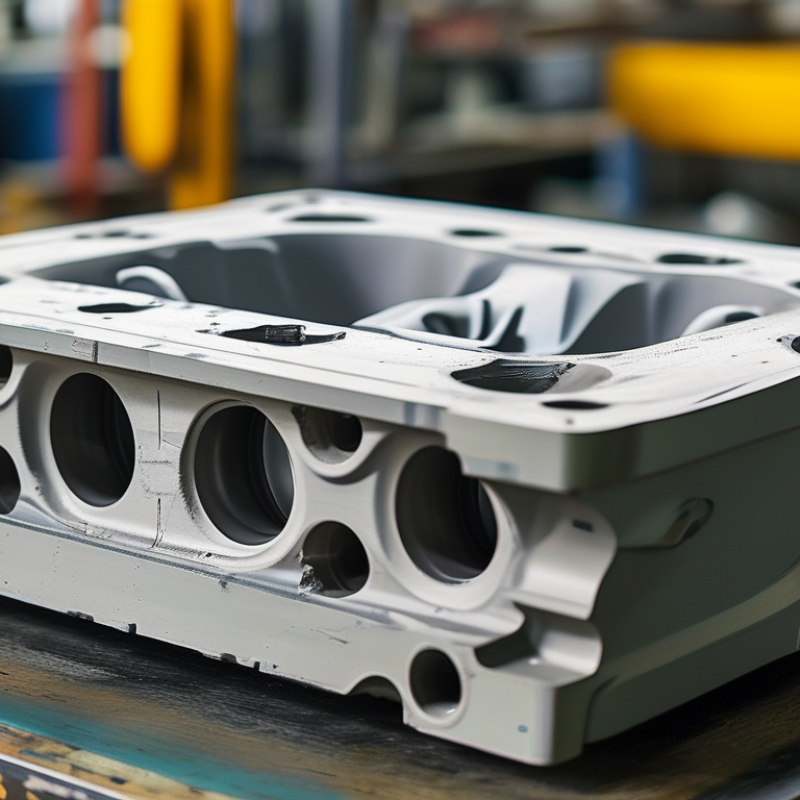
SMC mold, or Sheet Molding Compound, plays a significant role in modern manufacturing. It is a composite material that combines glass fibers with resin. This mixture is then molded into various shapes using heat and pressure. SMC molds are known for their lightweight and durable properties. They resist corrosion and offer excellent thermal stability.
The versatility of SMC molds makes them suitable for a range of applications. They can be used in automotive parts, industrial components, and even household items. Manufacturers appreciate how SMC molds can be tailored to specific needs. However, the production process can be complex. Achieving the right consistency in the material can sometimes be challenging.
Despite the advantages, there are areas for improvement. Some manufacturers face difficulties in quality control. Ensuring uniformity in the final products requires careful monitoring. Also, the initial setup costs for SMC molding can be high. This might deter smaller businesses from adopting this technology. Balancing cost and quality remains a concern for many in the industry.
SMC (Sheet Molding Compound) offers several advantages over traditional injection molding techniques. One critical advantage is its ability to produce parts with excellent mechanical properties. SMC can achieve high strength-to-weight ratios, making it ideal for industries like automotive and aerospace. According to a report from the American Composites Manufacturers Association (ACMA), SMC parts can be up to 30% lighter than equivalent injection molded parts without sacrificing strength.
Another noteworthy aspect of SMC molding is its efficiency in production. With shorter cycle times, SMC can significantly reduce manufacturing costs. Industry data suggests that SMC processing can result in up to 50% lower costs than traditional methods when considering both labor and material savings. This efficiency is primarily due to the ability to create complex geometries quickly, minimizing expensive machining processes.
However, while SMC offers these benefits, it also requires careful consideration of design and material selection. Parts need to be optimized for the SMC process to achieve the desired end-use performance. This necessitates a deeper understanding of material properties and project requirements. A thoughtful approach ensures that the advantages of SMC are realized in the final products.
| Advantage | SMC Mold | Traditional Injection Molding |
|---|---|---|
| Material Flexibility | High versatility with different resin types | Limited to specific thermoplastics |
| Complex Shapes | Easily creates intricate designs | More challenging for complex geometries |
| Weight Reduction | Lighter parts due to composite materials | Typically heavier parts |
| Production Speed | Faster cycle times with lower energy consumption | Longer cycle times and more energy-intensive |
| Surface Finish | High-quality finishes achievable | Surface finishes may require additional processing |
| Durability | Excellent mechanical properties and resistance | Can be less resilient under stress |
In various sectors, SMC mold technology is making a significant impact. SMC, or Sheet Molding Compound, is known for its lightweight and durable properties. Reports indicate that the global SMC market will grow by 6.5% annually through 2027. This growth stems from its adoption in industries like automotive, aerospace, and construction.
Automotive manufacturers benefit greatly from SMC due to its ability to reduce vehicle weight, thus improving fuel efficiency. A study by the Department of Energy shows that reducing vehicle weight by 10% can enhance fuel economy by 6-8%. Additionally, SMC parts can withstand high temperatures, making them ideal for engine components and interiors. Aerospace industries are also utilizing SMC to create lightweight structures that enhance performance while lowering costs.
When considering SMC mold for your project, keep material compatibility in mind. Ensure that the SMC type aligns with your specific requirements. Limitations exist; not all SMC is suitable for every application. It is wise to consult industry experts for guidance. Ensure to do your research to find trusted sources, as not every supplier offers the same level of quality or expertise. Choose wisely and focus on durability and performance.
SMC Mold is revolutionizing various sectors by providing innovative solutions that enhance efficiency and sustainability. Below is a bar chart illustrating the impact of SMC Mold technology across different industries.
When considering cost efficiency and sustainability in manufacturing, SMC (Sheet Molding Compound) molds present compelling advantages. Using advanced composite materials, these molds offer significant reductions in production costs. They are lightweight, requiring less energy during transportation and handling, which translates to lower overhead costs. Additionally, SMC molds have a longer lifespan compared to traditional materials. This long-term durability can mean fewer replacements, ultimately saving companies time and resources.
Sustainability is also a critical factor in today’s production landscape. SMC materials can be developed from recycled sources, minimizing waste and supporting eco-friendly initiatives. Companies that prioritize sustainable practices stand to gain a competitive edge. However, the initial investment in SMC molds may seem high for some businesses. It’s essential to weigh the upfront costs against long-term savings and environmental impact. Choosing SMC molds can be a significant commitment, but the potential benefits often outweigh the drawbacks. Embracing these innovative materials can lead to a more efficient and responsible manufacturing process.
When selecting a mold for your next project, performance metrics play a crucial role. High-quality SMC molds often outshine competitors in multiple areas. For instance, they typically showcase superior tensile strength and impact resistance. These characteristics contribute to longer-lasting products, reducing the need for frequent replacements.
Moreover, the precision of SMC molds leads to fewer defects during the manufacturing process. A consistent finish can significantly enhance the aesthetic appeal and functionality of the final product. However, not all SMC molds are created equal. Some may still exhibit slight variations during production, which can result in minor inconsistencies. These imperfections prompt reflection on how to minimize errors in future projects.
Additionally, the ease of maintenance is another factor to consider. Some molds can present challenges in upkeep, affecting the production schedule. Evaluating how each option performs under stress can determine overall reliability. Ultimately, selecting the right SMC mold requires careful consideration of these metrics, acknowledging that perfection is often an ongoing pursuit.
„Thanks to the LUVIR technology, the solder resist process could be switched directly from the previously used mask exposure to direct exposure. As an outstanding digital solution on the market, this technology has been able to demonstrate fast process times and superior quality on our certified conventional ink in production. This allowed us to fully digitize the solder mask process at low cost – without process or ink adjustments. An excellent benefit to our production in Rot am See.“
Ralf Göhringer (Head of Production WE Rot am See)
I would definitely recommend the Limata machine and team for a future company purchase
Michael Greenaway
Compunetics Inc.
“The Limata ldi has been amazing!! Best thing we did was buy this machine”
Richard Brady
GM
Circuitlabs
“Since 2019, we have been running the Limata X1000 LDI system (including LUVIR for solder mask imaging) in daily production as an addition to our current process with film. The machine was capable of properly exposing Taiyo PSR-4000 BN (DI) solder mask types on normal to high-copper boards using a new and unique direct imaging process. The machine operating interface is very user friendly which allowed for a quick technical training curve. The pre-registration processing reduced several seconds of production time at every print. Limata support and service staff is incomparable. They supported our team every step of the way at basically any time of the day or night, with literally, an immediate response time, customizing the software interface to best fit our Operations and needs.
We have exposed more than 8,000 prints since end of October, on various solder mask colors and some resist film panels. Limata, has proven to be very capable and innovative. They are a strong contender in the industry.
We have very much enjoyed this project, and working with the team!
Thank you Limata for the continued support and being a part of our growth.”
Bill Sezate
Vice President, GM
Summit Interconnect
As a replacement to our current contact exposure process with film, the LIMATA X2000 system including LUVIR-Technology was capable of properly exposing non-LDI solder mask types using a direct imaging process. The machine offers cutting edge software with a very intuitive operating interface which allowed for quick technician training curve. The dual drawer system combined with pre-registration processing reduced several seconds of production time at every machine cycle. Limata support and service staff is world class. They added software patches to keep production running at shortest possible response times, customized the software interface to best fit our in-house Operations system, and even wrote a step-by-step machine processing manual. As a result of the project, we have exposed more than 16,000 times on various product types and solder mask brands/colors. Limata, in a very short timeframe as a company, has definitely shown they are truly innovative and will be challenging the industry of direct imaging for the top spot.
Kevin Beattie
Process Engineer
TTM Technologies
Forest Grove Division
