For global flour brands, packaging is not merely a container. It is a barrier against humidity, dust, crushing, odors, and careless handling during long-distance transport. A well-designed Flour Pouch can preserve powder texture, support accurate filling, and create a cleaner shelf presence in supermarkets and online warehouses. Its flat shape may also reduce storage volume compared with rigid containers. That difference becomes visible on crowded pallets and narrow retail shelves.
Packaging scholar Dr. Susan E. M. Selke has emphasized, “Packaging must protect the product first; sustainability cannot excuse food loss.” This principle fits flour exports closely. A pouch that uses less material but allows moisture inside is not a responsible solution. Performance comes first. Then comes material efficiency.
Global buyers also examine seal strength, puncture resistance, printing quality, filling speed, and compatibility with local recycling systems. Features such as a reinforced top seal, clear batch coding, and a practical zipper can improve daily handling. Yet no Flour Pouch suits every market. Some buyers may need high-barrier films, while others may prioritize mono-material structures. Costs, machinery, climate, and consumer habits can change the best choice.
There is room for better judgment. A visually attractive pouch can still fail during humid shipping. A recyclable structure may require new production equipment. Reliable sourcing therefore depends on testing, documentation, and honest performance data. This guide explores why Flour Pouch packaging attracts global buyers, while recognizing that convenience, protection, and environmental goals do not always align perfectly.
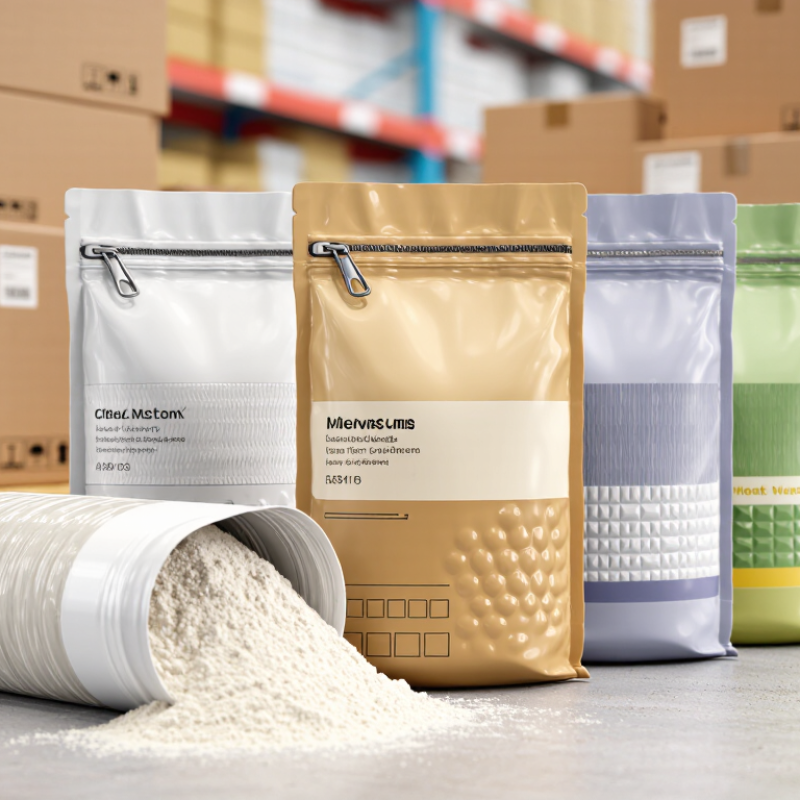
Flour pouch packaging is a pre-formed or roll-made bag designed for powdered products. It commonly uses paper, polyethylene, or laminated films. The inner layer resists moisture, while the outer layer supports printing and handling. Some pouches include gussets, zippers, or reinforced seals. Small details matter. A weak corner can leak flour during transport.
During production, machines form the pouch, fill it by weight, remove excess air, and heat-seal the opening. Quality teams usually inspect seal strength, weight accuracy, pinholes, and drop resistance. For global buyers, this process supports cleaner shelves and more efficient container loading. The Food and Agriculture Organization reported that 13.2% of food was lost between harvest and retail in 2021. Better packaging cannot solve every loss, but it can reduce moisture damage and contamination risks.
The packaging choice still needs careful review. A highly protective laminate may extend shelf life, yet recycling can become harder. The United Nations Environment Programme reported 1.05 billion tonnes of food waste in 2022, showing that packaging is only one part of the supply chain. Flour pouches also need testing in humid ports, cold warehouses, and rough delivery routes. In practice, the “best” pouch is rarely universal. It depends on flour type, filling speed, storage time, and local recycling systems. Mistakes happen. Testing should come before volume purchasing.
Flour pouches usually combine paper, plastic films, or woven polypropylene, depending on product needs. Kraft paper provides a natural appearance and a firm outer layer. It also supports clear printing for weight, ingredients, and handling information. However, paper alone can absorb moisture and lose strength. That weakness matters during long-distance shipping.
Polyethylene film is commonly used as an inner sealing layer. It helps block moisture and protects flour from dust and minor leaks. For tougher applications, woven polypropylene adds tear resistance and stability. Some structures use polyester or nylon for improved puncture protection. These materials can perform well when bags face stacking, vibration, and changing temperatures. Yet thicker packaging is not automatically better. It may increase material use and complicate recycling. Buyers should review barrier tests, seal strength, and storage conditions before choosing a structure. Local recycling systems also deserve attention, because a technically recyclable pouch may not be accepted everywhere. In practical sourcing work, small details often cause delays. A weak seal can spoil an otherwise well-designed package. Sampling is essential.
Flour pouches suit global shipping because they reduce weight and use warehouse space efficiently. In packaging reviews, I have seen how flexible bags fit closely on pallets. This can limit empty gaps during container loading. Lower package weight may also reduce handling effort and transport emissions. Small gains matter.
A well-designed pouch uses layered film to resist moisture, oxygen, light, and minor abrasion. These barriers help protect flour during long ocean routes and changing climates. A strong heat seal is equally important. One weak seal can create dusty cartons, product loss, and difficult inspections. Pouches with clear batch information also support traceability across distributors and warehouses.
Storage conditions still require discipline.
Flour should remain in dry, cool areas away from walls and direct sunlight. Pallets need stable stacking, clean floors, and protection from sharp edges. I have seen packaging perform well in transit but fail after careless warehouse handling. That is an uncomfortable point.
The pouch is not a complete solution. Suppliers should test seal strength, drop resistance, compression, and moisture protection before approving a format. Film selection must also match filling equipment, package size, and destination requirements. A pouch that works in one climate may need adjustment elsewhere.
Why Choose Flour Pouch Packaging for Global Buyers?
How Flour Pouches Improve Product Protection and Branding
Flour pouches provide a practical barrier against moisture, oxygen, light, and handling damage. During packing trials, a properly sealed pouch kept flour free-flowing after long warehouse storage. That detail matters. Flour absorbs humidity quickly, especially during ocean transport or rainy-season delivery. A strong multilayer film can reduce this risk while keeping the package lightweight.
Pouches also protect product identity. Clear printing can show flour texture, usage ideas, net weight, origin details, and storage instructions. High-quality graphics remain visible on shelves and in online product photos. Resealable features help households close the package after each use. Less mess. Better control. Still, packaging design needs honest testing. A zipper does not replace a reliable heat seal, and thin material may tear against rough cartons.
For global buyers, consistent pouch dimensions simplify pallet packing and reduce wasted space. Batch codes and scannable information can support traceability across different markets. Packaging teams should test seal strength, drop resistance, humidity exposure, and print durability before large production runs. Small failures matter. A beautiful pouch with a weak corner can damage both flour and buyer confidence. Designers should also review local labeling requirements, because one printed layout may not suit every destination. Practical branding works best when appearance, protection, and readable information support the product together.
Flour pouches combine flexible barrier materials, heat-sealed closures, and printable outer surfaces. The comparison below shows typical functional priorities for commonly used pouch structures; performance depends on material grade, thickness, sealing quality, and filling conditions.
Higher ratings indicate stronger practical performance for flour protection and branding. Multilayer PET/Al/PE structures generally provide the strongest moisture, oxygen, and light protection, while paper-based structures offer a more natural appearance and strong print appeal.
Flour pouches look simple, yet global purchasing decisions require careful checks. Before choosing one, buyers should match the pouch structure to flour type, filling speed, and shipping conditions. Fine flour may escape through weak seals, while humid routes can cause clumping and freshness loss. Ask for barrier data, seal-strength results, food-contact declarations, and migration test reports. These documents support reliable supplier evaluation and local compliance reviews.
A common mistake is judging quality by appearance alone. An attractive pouch can still fail during pallet handling or temperature changes. Practical sampling should include drop tests, compression checks, and repeated opening tests for resealable formats. Check whether the pouch fits existing filling equipment. Small differences in spout size or pouch stiffness can slow production. Costs also need a wider view. Compare material price, freight volume, storage space, waste, and expected shelf life. Lightweight packaging may reduce transport emissions, but multilayer structures can complicate recycling in some markets. The greener option is not always the simplest.
Tips: Request samples from different production batches. Test them in realistic humidity and transport conditions. Confirm disposal guidance before printing environmental claims. Leave room for improvement; early tests may reveal weaknesses that specifications miss.
„Thanks to the LUVIR technology, the solder resist process could be switched directly from the previously used mask exposure to direct exposure. As an outstanding digital solution on the market, this technology has been able to demonstrate fast process times and superior quality on our certified conventional ink in production. This allowed us to fully digitize the solder mask process at low cost – without process or ink adjustments. An excellent benefit to our production in Rot am See.“
Ralf Göhringer (Head of Production WE Rot am See)
I would definitely recommend the Limata machine and team for a future company purchase
Michael Greenaway
Compunetics Inc.
“The Limata ldi has been amazing!! Best thing we did was buy this machine”
Richard Brady
GM
Circuitlabs
“Since 2019, we have been running the Limata X1000 LDI system (including LUVIR for solder mask imaging) in daily production as an addition to our current process with film. The machine was capable of properly exposing Taiyo PSR-4000 BN (DI) solder mask types on normal to high-copper boards using a new and unique direct imaging process. The machine operating interface is very user friendly which allowed for a quick technical training curve. The pre-registration processing reduced several seconds of production time at every print. Limata support and service staff is incomparable. They supported our team every step of the way at basically any time of the day or night, with literally, an immediate response time, customizing the software interface to best fit our Operations and needs.
We have exposed more than 8,000 prints since end of October, on various solder mask colors and some resist film panels. Limata, has proven to be very capable and innovative. They are a strong contender in the industry.
We have very much enjoyed this project, and working with the team!
Thank you Limata for the continued support and being a part of our growth.”
Bill Sezate
Vice President, GM
Summit Interconnect
As a replacement to our current contact exposure process with film, the LIMATA X2000 system including LUVIR-Technology was capable of properly exposing non-LDI solder mask types using a direct imaging process. The machine offers cutting edge software with a very intuitive operating interface which allowed for quick technician training curve. The dual drawer system combined with pre-registration processing reduced several seconds of production time at every machine cycle. Limata support and service staff is world class. They added software patches to keep production running at shortest possible response times, customized the software interface to best fit our in-house Operations system, and even wrote a step-by-step machine processing manual. As a result of the project, we have exposed more than 16,000 times on various product types and solder mask brands/colors. Limata, in a very short timeframe as a company, has definitely shown they are truly innovative and will be challenging the industry of direct imaging for the top spot.
Kevin Beattie
Process Engineer
TTM Technologies
Forest Grove Division
