The use of Wood Style Decorative Panels is gaining popularity in home design. According to a recent report by Market Research Future, the decorative panel market is projected to grow significantly, driven by consumer preference for sustainable materials. This trend reflects a broader movement toward natural aesthetics in interior spaces.
Industry expert Jessica Harmon emphasizes, “Wood Style Decorative Panels add warmth and character to any room.” Her insights underline the versatility of wood panels, which can be applied in various ways to enhance both traditional and contemporary interiors.
Despite their aesthetic appeal, many homeowners struggle with installation and maintenance. Choosing the right wood type and finish is crucial. Not all wood styles are equally durable or easy to care for, which can lead to disappointment. Understanding these nuances is essential for making informed design decisions.
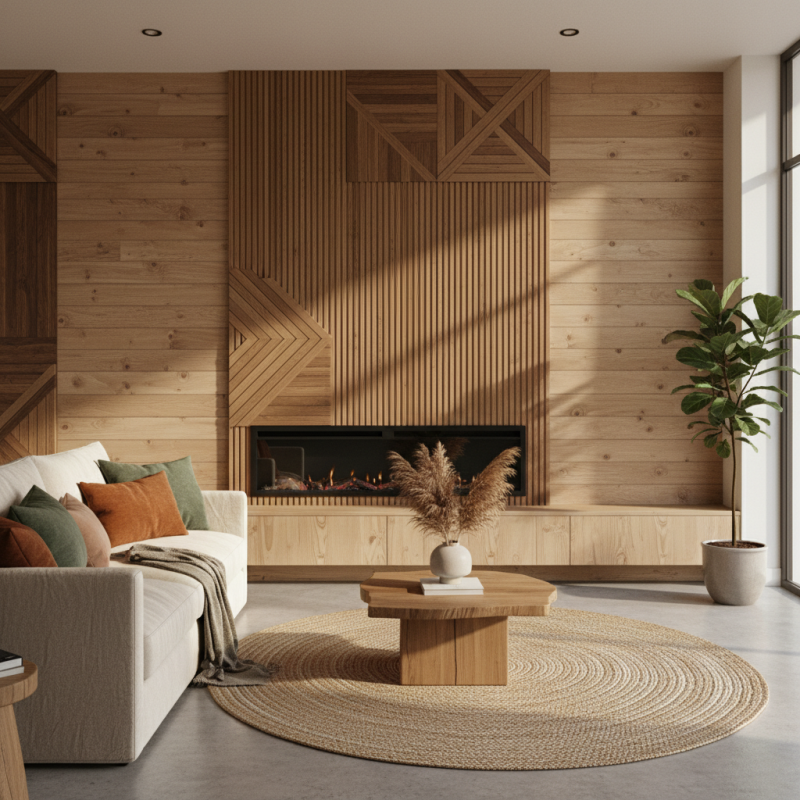
When considering wood paneling for home design, various styles and types offer distinct atmospheres. Popular options include shiplap, reclaimed wood, and beadboard. According to the 2019 Remodeling Impact Report, 64% of real estate agents suggest that wood paneling boosts home value. This statistic highlights the appeal of wood finishes in enhancing spaces.
For a warm and rustic feel, reclaimed wood is ideal. It adds character and authenticity to any room. Shiplap, often used in modern farmhouse designs, creates a clean and sophisticated look. Beadboard can provide a classic touch, suitable for traditional or coastal styles. Each type has unique textures and colors, allowing for personalized expressions.
Tips: Consider the lighting in your space. Lighter woods reflect more light, while darker tones add depth. Also, think about maintenance. Some finishes require regular refinishing, which might be time-consuming. Opt for panels that match your lifestyle and the ambiance you aim to create. Balance aesthetics with practicality.
Wood decorative panels offer numerous benefits in home design. They create a warm, inviting atmosphere that enhances any space. According to the National Wood Flooring Association, wood products can increase a home's value by up to 5%. This statistic highlights the financial advantage of using wood panels in interior design.
These panels are versatile. They can fit various aesthetics, from rustic to modern. Homeowners appreciate this adaptability. Moreover, wood panels provide excellent insulation. Studies show that wood can improve energy efficiency by up to 15%. This feature translates into lower energy bills and a more comfortable living environment, which is invaluable.
While the appeal is clear, there are challenges. Maintenance can be time-consuming. Wood panels require periodic sealing and refinishing. Without proper care, they can suffer from wear and tear. This downside should be considered when choosing materials for a home. Overall, the right approach can minimize these issues, allowing homeowners to enjoy the many benefits of wood decorative panels.
Wood panels can dramatically change the vibe of any room. Adding them to your living room can make it feel cozy and inviting. Consider a feature wall with reclaimed wood. It adds character and warmth. Mixing textures is crucial. Pair smooth furniture with rough wood for contrast.
In bedrooms, wood panels can create a serene atmosphere. A wooden headboard or an accent wall can be perfect. Opt for lighter shades to keep the space light. This can enhance relaxation. For kitchens, wood panels can add a rustic touch. Use them as backsplashes or island accents. They provide a homely feel while being functional.
Every room has unique needs. Think about how you use each space. In bathrooms, waterproof wood finishes can highlight your design. It brings warmth to often cold spaces. However, be cautious with moisture. Each decision should resonate with your style and practicality. Balancing aesthetics with functionality is key.
Wood decorative panels can enhance your home's aesthetic charm. However, maintaining them requires effort and awareness. Regular care helps prolong their lifespan. It's essential to understand the environmental factors that could damage wood. A report from the Architectural Digest states that wood can expand or contract with humidity changes. This fluctuation can lead to warping or cracking if not monitored.
To maintain your panels, clean them with a soft cloth. Avoid excessive moisture when cleaning. High humidity can cause issues, while low humidity can dry and damage wood. The American Wood Council recommends keeping indoor humidity between 30-50%. This range protects against potential damage. An occasional application of wood conditioner or polish can also restore shine and protect the surface.
Inspect panels for scratches or dents. While minor imperfections may seem harmless, they can lead to larger problems. Ignoring small damages could result in more costly repairs. Utilize appropriate sealants to prevent stains and water damage. Consistent attention to your wood decorative panels ensures they remain a beautiful feature in your home.
Wood panels add warmth and texture to modern interiors. Their versatility allows for creative designs in various rooms. According to the Wood Products Council, wood enhances indoor air quality by regulating humidity. This makes it a popular choice for home décor.
In the living room, consider using reclaimed wood panels. They bring character and history. Bright, modern spaces can benefit from light-colored wood for an airy feel. A contrast of dark and light woods can also create visual interest. Data from the National Wood Flooring Association shows that natural textures boost mood and comfort.
Tips: Use wood panels to define spaces in open floor plans. Layering different wood grains can introduce depth. For a contemporary look, combine wood with metal or glass. There might be challenges, like potential warping in humid areas. Regular maintenance is key to preserving the beauty of wood panels. Embrace imperfections; they often tell a unique story of the material.
„Thanks to the LUVIR technology, the solder resist process could be switched directly from the previously used mask exposure to direct exposure. As an outstanding digital solution on the market, this technology has been able to demonstrate fast process times and superior quality on our certified conventional ink in production. This allowed us to fully digitize the solder mask process at low cost – without process or ink adjustments. An excellent benefit to our production in Rot am See.“
Ralf Göhringer (Head of Production WE Rot am See)
I would definitely recommend the Limata machine and team for a future company purchase
Michael Greenaway
Compunetics Inc.
“The Limata ldi has been amazing!! Best thing we did was buy this machine”
Richard Brady
GM
Circuitlabs
“Since 2019, we have been running the Limata X1000 LDI system (including LUVIR for solder mask imaging) in daily production as an addition to our current process with film. The machine was capable of properly exposing Taiyo PSR-4000 BN (DI) solder mask types on normal to high-copper boards using a new and unique direct imaging process. The machine operating interface is very user friendly which allowed for a quick technical training curve. The pre-registration processing reduced several seconds of production time at every print. Limata support and service staff is incomparable. They supported our team every step of the way at basically any time of the day or night, with literally, an immediate response time, customizing the software interface to best fit our Operations and needs.
We have exposed more than 8,000 prints since end of October, on various solder mask colors and some resist film panels. Limata, has proven to be very capable and innovative. They are a strong contender in the industry.
We have very much enjoyed this project, and working with the team!
Thank you Limata for the continued support and being a part of our growth.”
Bill Sezate
Vice President, GM
Summit Interconnect
As a replacement to our current contact exposure process with film, the LIMATA X2000 system including LUVIR-Technology was capable of properly exposing non-LDI solder mask types using a direct imaging process. The machine offers cutting edge software with a very intuitive operating interface which allowed for quick technician training curve. The dual drawer system combined with pre-registration processing reduced several seconds of production time at every machine cycle. Limata support and service staff is world class. They added software patches to keep production running at shortest possible response times, customized the software interface to best fit our in-house Operations system, and even wrote a step-by-step machine processing manual. As a result of the project, we have exposed more than 16,000 times on various product types and solder mask brands/colors. Limata, in a very short timeframe as a company, has definitely shown they are truly innovative and will be challenging the industry of direct imaging for the top spot.
Kevin Beattie
Process Engineer
TTM Technologies
Forest Grove Division
